
Healthy skin starts with food: What to eat and what to avoid
 +381 64 4184 444
What we eat shows up on our skin. When the body feels balanced, the face often looks calm and well-cared for. Foods rich in fiber, vitamins, and healthy fats can help the skin appear clear, fresh, and even. But too much sugar, bad fats, or refined ingredients can trigger breakouts, dullness, and inflammation. If your digestion is off, your skin may reveal it. Gut-related inflammation often makes skin conditions worse and can lead to irritation. Nutrient deficiencies might dull your natural glow and slow down skin cell renewal. That’s why healthy skin starts with food you put on your plate. You don’t need complex diets or extreme changes—just smart food choices that support your body from within.
Essential nutrients that support your skin from the inside
Your skin renews itself daily and protects your body from outside elements. To keep doing that well, it needs support from within—especially through key vitamins and minerals.
- Vitamin C boosts collagen production, which keeps skin firm and elastic. It also protects cells from damage, especially when you’re out in the sun.
- Vitamin E helps your skin hold onto moisture and reduces redness. It acts as a natural barrier against harmful environmental effects.
- Vitamin A speeds up skin cell turnover and helps even out your complexion. Without enough of it, the skin can feel dry or rough.
- Biotin, also known as vitamin B7, supports oil gland function and keeps skin hydrated.
Some minerals play a major role in how your skin heals, protects, and renews itself:
- Zinc helps the skin heal faster from irritation or minor damage. It also has anti-inflammatory effects and can reduce acne or oily skin by regulating oil glands.
- Selenium works as an antioxidant. It protects skin cells from damage and helps slow signs of aging. It also supports the skin’s immune response, making it more resilient to external stress.
- Copper is important for collagen and melanin production. Collagen gives skin firmness, while melanin affects skin tone and provides some protection from UV rays.
Fruits and vegetables rich in antioxidants
Antioxidants protect the skin from daily oxidative stress. This stress builds up when free radicals—unstable molecules—damage healthy cells. For skin, this can speed up aging, dull the complexion, and reduce elasticity. Eating fruits and vegetables high in antioxidants helps fight these effects and supports a more balanced appearance.
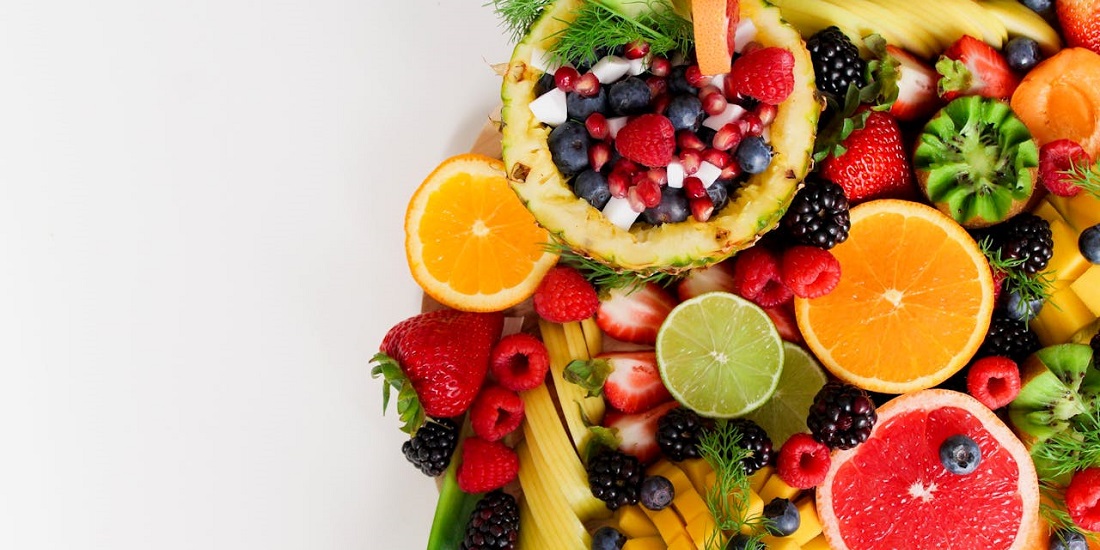
Eating fruits and vegetables rich in antioxidants helps protect skin cell membranes and supports natural renewal. Flavonoids and carotenoids from peppers and colorful fruits reduce inflammation and may help even out skin tone. These nutrients also protect against sun exposure and pollution. When you include these foods in your meals regularly, your skin may look clearer and more rested. Some great options include:
- Blueberries
- Kiwi
- Orange
- Papaya
- Strawberries
- Red bell pepper
- Carrot
- Spinach
- Broccoli
- Cabbage
Healthy fats for skin hydration and elasticity
Healthy fats help the skin stay hydrated and elastic. Omega-3 fatty acids, which are essential fats, play a key role in building strong cell membranes. When those membranes are solid and functional, the skin holds moisture better and feels less dry. If you notice signs that your skin is lacking hydration, adding these fats to your diet can help reduce irritation and improve hydration.
Omega-3 fatty acids also reduce inflammation, which is helpful for conditions like eczema or redness. They support oil balance by regulating sebum production and help improve the overall texture of your skin. Foods that contain omega-3s and unsaturated plant-based fats are an essential part of any diet focused on healthy, hydrated skin. These fats not only nourish your skin from within—they also help maintain its natural protective barrier, which is key to skin strength and a healthy appearance. Foods rich in omega-3 fatty acids include:
- Salmon
- Sardines
- Tuna
- Flaxseeds
- Chia seeds
- Walnuts
- Canola oil
- Olive oil (contains less omega-3 but supports fat balance)
Fermented foods and gut health
Your gut health affects how your skin looks and feels. When gut bacteria are out of balance, the intestinal lining can become more permeable. This often leads to inflammation, which may show up on your skin. Issues like acne, eczema, or rosacea can sometimes be linked to poor gut function. Fermented foods contain natural probiotic bacteria that help restore healthy gut flora. These good bacteria support digestion, reduce inflammation, and help your body absorb nutrients that keep your skin healthy. Adding fermented foods to your diet is a simple step that may make a noticeable difference in your skin’s condition.
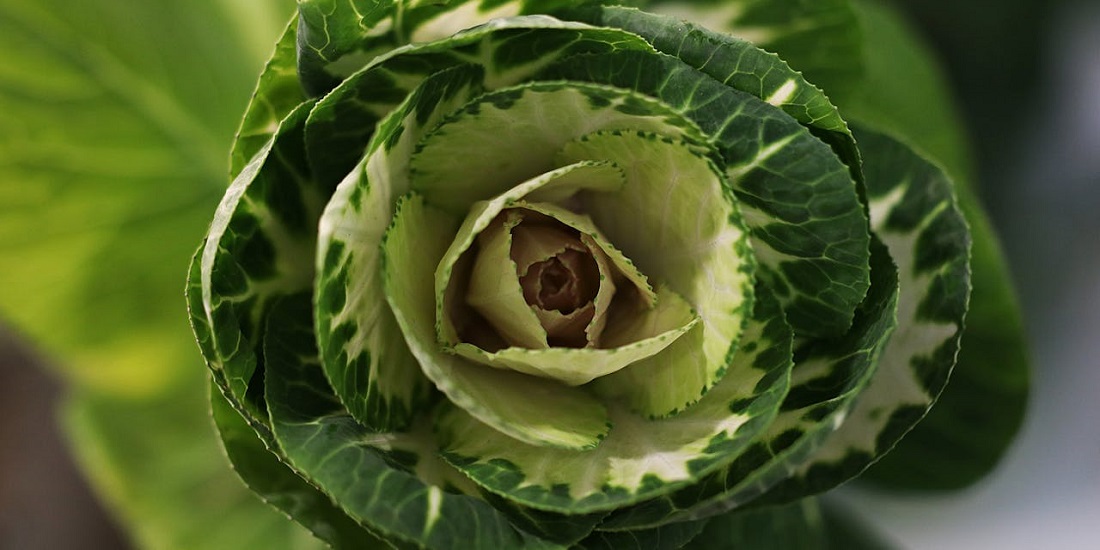
When your gut microbiome is in good shape, the body removes toxins more easily and produces fewer inflammatory molecules. That can show on your skin in the form of fewer breakouts and a more even complexion. Adding fermented foods to your daily diet is a simple step toward healthier skin—especially for people dealing with digestive issues or dull, uneven skin tone. Fermented foods that support clear, healthy skin:
- Kefir
- Probiotic yogurt
- Kimchi (fermented vegetables)
- Sauerkraut (unpasteurized)
- Miso paste
- Kombucha
Foods that may harm your skin
Certain foods can make skin issues worse, especially for those prone to acne or inflammation.
- Sugars and refined carbs raise insulin levels, which may increase oil production and clog pores. This often leads to breakouts, especially in the T-zone. Another problem is glycation—a process where sugar damages collagen and elastin, leading to faster aging and reduced skin firmness. Soda, white bread, and candy are common triggers.
- Fried foods and packaged snacks often contain trans fats, which raise oxidative stress in the body. These fats can throw off the balance of oils in the skin, leading to excess sebum, blackheads, and dull-looking skin.
- Dairy products—especially skim milk and whey-based protein shakes—contain hormones and growth factors that may contribute to acne. Everyone reacts differently, but many people notice clearer skin when they reduce or avoid dairy.
Healthy skin starts with food, but lifestyle choices also matter
A healthy skin diet works best when it’s consistent and when common mistakes in daily skincare are avoided:
- Not drinking enough water: Dehydration affects skin elasticity and glow. Even with great food choices, your skin can stay dry and tight without enough fluids.
- Skipping meals disrupts your intake of key nutrients like vitamins, minerals, and healthy fats. Without steady support, your body slows down cell renewal—and your skin reflects that.
- Relying only on supplements: While supplements can help, they can’t replace real food. Whole foods provide fiber, enzymes, and antioxidants that work together to support skin health..
To improve your skin without medication, focus on building healthy habits step by step. Drink enough water, eat regularly, and choose whole foods that nourish your skin from the inside out.

When does a healthy skin diet start to show results?
Your skin starts to look healthier when you nourish it from within every day. Most people notice the first results of a skin-friendly diet within two to four weeks. During that time, the outer layer of skin goes through a natural renewal cycle, and proper nutrition helps that process stay on track. A healthy glow, reduced sensitivity, and fewer mild flare-ups are often the first signs that your body is responding well. To keep your skin strong and balanced, keep feeding it antioxidants, healthy fats, vitamins, and minerals consistently. A healthy skin starts with food, but your diet doesn’t have to be complicated—just choose foods every day that support skin repair. If you’re already using skincare or visiting an anti aging center, the results will likely become more noticeable once you adjust your nutrition.