
7 reasons for a preventive ENT check-up
 +381 64 4184 444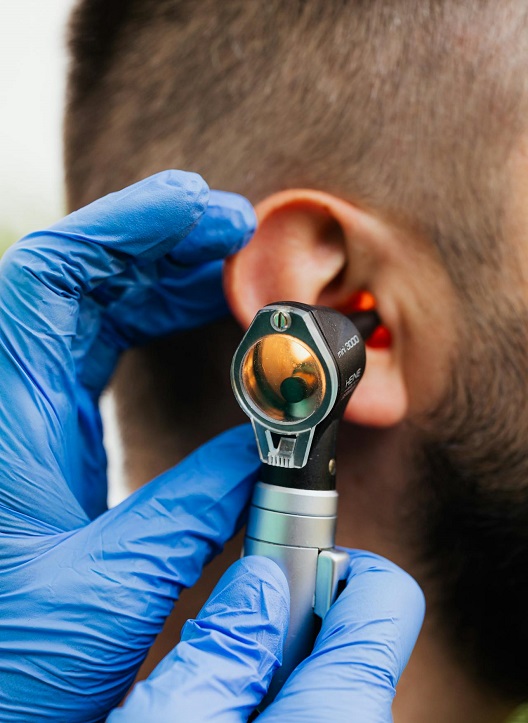
Many people think they should visit an ENT specialist only when pain or strong symptoms appear. However, a preventive ENT check-up helps detect hearing, breathing, or throat issues while they’re still minor and easy to treat. This type of check-up lets you check your health before complications arise. We often ignore a stuffy nose, mild hoarseness, or occasional ear ringing, but these signs can point to something more. A preventive exam is recommended at least once a year, especially if you have allergies, frequent infections, or work in a noisy environment. You don’t need symptoms to take care of your health. Dr Prlja Medical can help you take your health seriously—check symptoms early and stop small issues from becoming long-term problems.
You can detect hearing loss early
Mild hearing loss often goes unnoticed, but it can subtly affect daily communication and relationships. An ENT specialist can suspect early changes just by talking to you and performing a basic exam. Audiometry confirms it by measuring how well you hear different tones and shows if one or both ears are affected. For children, early diagnosis matters for speech and learning. For older adults, it helps preserve mental sharpness
Mild hearing damage is often compensated for unconsciously—by raising the TV volume or avoiding conversations in noisy places. That’s why an ENT ear exam is recommended even if you only suspect ringing, ask people to repeat often, or have trouble understanding speech. Seniors are advised to get checked at least once a year.
Prevent ear infections and remove earwax
Earwax is natural and protects the ear canal from dust and infections. However, when it builds up too much, it can cause pressure, ringing, or hearing loss. People often try to remove it on their own, but this can make things worse. An ENT specialist uses safe methods to remove wax, which are usually painless. Some sensitive patients may feel slight discomfort or mild dizziness. When earwax is properly removed, hearing improves immediately and the discomfort disappears.

Regular check-ups can also help prevent recurring ear inflammation, which, if untreated, may cause permanent hearing damage. In children, these infections are more common and often affect learning and focus. If infections occur several times a year or your child often rubs their ear, it’s worth getting a check-up. A timely ENT exam helps detect recurring infections and avoid unnecessary use of antibiotics.
A timely ENT exam can help if you have allergies or sinus issues
Symptoms like sneezing, a runny nose, or facial pressure are often mistaken for a cold. But if they last more than ten days or return several times a year, it could be an allergy or chronic sinusitis. An ENT doctor can help tell the difference and may suggest allergy testing. The check-up can show:
- if the nasal lining is inflamed or swollen
- the presence of pus or allergic mucus
- if symptoms come from seasonal or constant allergen exposure
- if a child’s breathing problem is not just a virus
In children, constant mouth breathing, snoring, and runny nose are often allergy signs. In adults, sinus discomfort may affect sleep, mood, and work focus. Your doctor may recommend a sinus ultrasound if more serious issues are suspected.
Prevent permanent voice damage
Hoarseness lasting more than two or three weeks should not be ignored. While many assume it’s just a mild infection, lasting hoarseness may signal changes in the vocal cords that need close review. Using a laryngoscope, an ENT doctor can clearly view the vocal cords and larynx. The exam can reveal:
- nodules, polyps, or cysts on the vocal cords
- chronic inflammation from vocal strain
- changes in vocal cord color or movement
- irritation from acid reflux or smoking
If these changes are not found early, they can become permanent and harder to treat. Throat problems can also affect swallowing, which impacts nutrition. An early ENT throat exam helps find issues when simple steps can still keep the voice stable and clear.
A preventive ENT check-up helps diagnose sleep-related issues
Snoring and breathing pauses during the night can signal a serious airway problem. An ENT exam helps identify whether nasal blockages, enlarged tonsils, or a lowered soft palate are affecting airflow. In adults, obstructive sleep apnea often goes unnoticed but can lead to daytime fatigue, headaches, poor focus, and high blood pressure. In children, sleep apnea often appears as restless sleep, nighttime bedwetting, and daytime tiredness.

An ENT doctor can examine the throat, nose, and soft palate to check for any physical blockage affecting breathing. If there are signs of apnea, the person is referred for further sleep testing. An ENT exam can point to the cause of snoring or apnea, but a sleep study is often needed to confirm the diagnosis and plan treatment. An early check-up at an ENT clinic can help detect changes and prevent heart or brain health problems.
Find the causes of dizziness and balance problems
Dizziness and loss of balance can signal that the inner ear is not working properly. In many cases, the problem is in the vestibular system, located inside the ear. Common symptoms include:
- the feeling that the room is spinning
- the sensation of leaning or falling
- instability while walking
During the exam, the doctor will assess whether symptoms point to a peripheral (ear-related) or central cause. A peripheral cause comes from the inner ear or the vestibular nerve. A central cause usually originates in the brainstem or cerebellum. Common inner ear-related dizziness types include:
- benign paroxysmal positional vertigo (BPPV)
- Ménière’s disease
- vestibular neuronitis
Depending on the findings, the ENT specialist may perform head and eye movement tests. If needed, they may suggest further diagnostics such as videonystagmography or refer you to a neurologist. If dizziness repeats, lasts longer than a few seconds, or comes with ringing or hearing loss, it’s important to act early.

An early check-up can reveal tumors in the initial stage
Throat, nose, or tongue tumors often don’t show clear symptoms at first.
Hoarseness, pain when swallowing, or a sore that won’t heal can go unnoticed or be mistaken for an infection. During a preventive exam, the ENT doctor carefully inspects the mouth, tongue, throat, and nasal lining, as well as the neck’s lymph nodes. A visual and physical exam can detect suspicious changes that may not cause pain but require further evaluation. The risk is higher in people who:
- smoke
- drink alcohol regularly
- have an HPV infection
- are exposed to industrial dust or chemicals
- suffer from chronic inflammation or hoarseness lasting more than three weeks
- have a family history of head and neck cancer
- have poor oral hygiene
If the ENT doctor sees something unusual, they may suggest further tests—such as endoscopic examination, imaging, or biopsy—depending on the findings. Early detection of cancer greatly improves the chances of successful treatment. A timely ENT visit helps spot such changes before symptoms appear, especially in those with known risk factors.
What to expect during the exam
A preventive ENT check-up takes about 20 to 30 minutes and doesn’t require special preparation. You don’t need to come on an empty stomach, but it’s helpful to bring past records, especially if symptoms are present. The exam is usually painless—some mild discomfort is possible, but all methods are safe and age-appropriate. You can book a private appointment without a referral. In public clinics, a valid referral and insurance card are often needed. Costs vary, but many services are covered by insurance. This kind of exam offers peace of mind, helps detect early changes, and supports long-term ear, breathing, and voice health.