
Symptoms that may indicate hearing loss
 +381 64 4184 444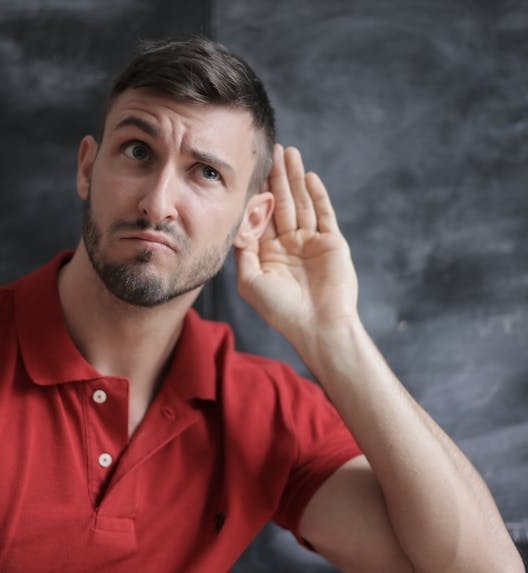
Do you find yourself more often asking people to repeat what they said? Or maybe you’re turning up the TV louder than before, while others comment that it’s too loud? These could be early signs of hearing loss. Hearing loss doesn’t only affect older adults. It can occur in people of all ages – both adults and children. That’s why it’s important to recognize the symptoms that may indicate hearing loss. Dr Prlja Medical Clinic in Belgrade will explain exactly what hearing loss is, how it manifests in children and adults, and when it’s time to seek help.
What is hearing loss?
Hearing loss refers to a reduced ability to clearly hear sounds and speech. It can develop gradually or suddenly and may affect both ears or just one. Some forms are temporary, while others require long-term treatment or the use of hearing aids.
There are several main types of hearing loss:
- Conductive hearing loss – Occurs when sound cannot be properly transmitted to the inner ear. Causes may include earwax buildup, a perforated eardrum, swimmer’s ear, or middle ear infections.
- Sensorineural hearing loss – Happens when the hearing cells or the auditory nerve are damaged. This is the most common type and is often associated with aging, noise exposure, viruses, or genetic factors.
- Mixed hearing loss – A combination of conductive and sensorineural damage.
- Sudden hearing loss – Develops quickly, often without a clear cause. This condition is considered a medical emergency and requires immediate attention.
- Single-sided hearing loss – Can be temporary or permanent, and often points to specific health issues that need to be examined.
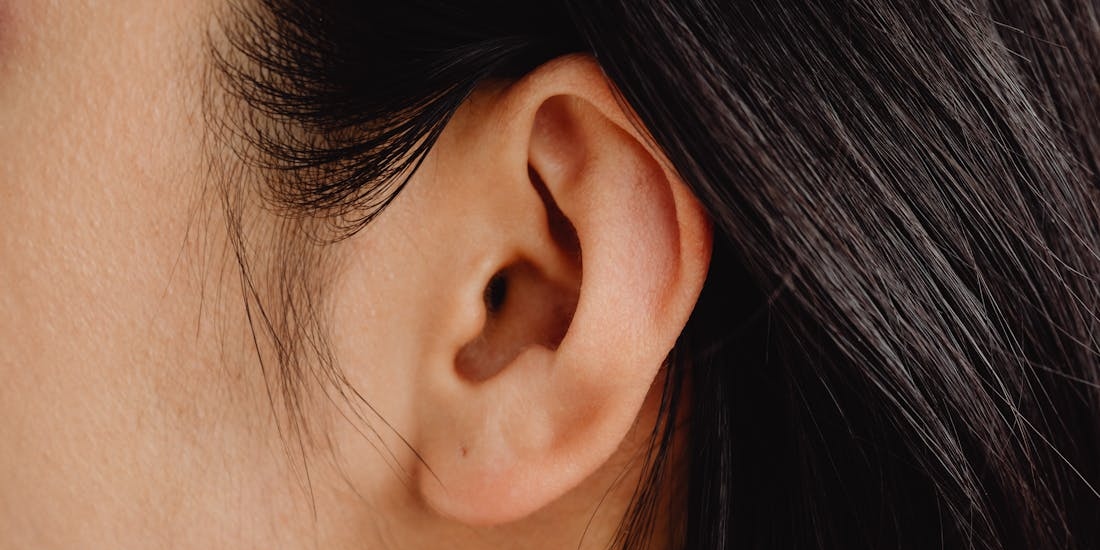
Early symptoms that may indicate hearing loss
Hearing damage often begins subtly. People gradually get used to changes, so early signs are easily overlooked. That’s why it’s important to recognize the symptoms that may indicate hearing loss. Pay attention if you notice any of the following:
- You frequently ask others to repeat themselves – Sentences seem unclear, especially in noisy environments or when multiple people are speaking at once.
- You have difficulty understanding speech over the phone – The volume may be fine, but words sound muffled or incomplete.
- You turn up the TV or radio more than before – Other household members complain that the sound is too loud.
- People sound like they’re mumbling – You feel like others aren’t speaking clearly, even though they are.
- You struggle to hear high-pitched sounds – For example, you don’t hear a quiet doorbell, birds chirping, or a child’s voice.
- Ringing in the ears (tinnitus) – You hear constant or occasional ringing, buzzing, or whistling without an external source. Treating tinnitus can relieve symptoms and improve daily life.
- You tilt your head to hear better with one ear – You may unconsciously try to “catch” speech better with your stronger ear.
Signs of hearing loss in adults
Signs of hearing loss in adults often develop gradually, which is why many people don’t recognize them at first. You may notice difficulty following conversations in groups, especially when there’s background noise. Speakers may seem to talk more quietly or unclearly, leading to frustration. Some individuals withdraw from conversations because it becomes exhausting to follow what’s being said, while others try to compensate by reading lips or focusing on facial expressions.
Behavioral changes – such as avoiding phone calls or becoming more withdrawn – can also be warning signs. Many adults are reluctant to admit they have a problem, often making excuses for what’s happening. However, symptoms that may indicate hearing loss should not be ignored. The cause can often be identified easily, whether it’s an ear infection or permanent damage. Delaying action may worsen the condition and impact relationships, work, and daily life. If you see yourself in this description, it’s time to seek a professional evaluation.
Hearing loss symptoms in children
Symptoms that may indicate hearing loss in children can be harder to recognize because children don’t always know how to clearly express themselves. Parents often notice that the child doesn’t respond to their name, doesn’t turn toward the source of a sound, or seems to ignore what is being said. Speech delays or unclear speech that’s not age-appropriate can also be a sign.
Some children turn up the TV volume or fail to follow instructions, which may be mistaken for disobedience. In school-age children, hearing issues can lead to problems with attention, learning, or understanding the teacher. Children with hearing loss often watch the speaker’s mouth closely in order to better understand what is being said. The earlier the problem is identified, the better the outcome for healthy speech and learning development. If you have any doubts, consult a pediatrician or ENT specialist for further evaluation.

When to seek professional help
You should seek professional help as soon as you notice that you or your child are not hearing as well as before. If you frequently ask others to repeat themselves, struggle to understand speech in noisy environments, or experience ringing in your ears, these are clear signs that something may be wrong. In children, delayed speech development, unusual reactions to sound, or learning difficulties may be linked to hearing problems.
Don’t wait for the symptoms that may indicate hearing loss to become more serious! Modern hearing tests are quick, painless, and can help detect the issue early. Timely diagnosis greatly increases the chances of successful treatment. If there is any doubt, it’s best to schedule an evaluation. Our ENT clinic in Belgrade – Dr Prlja Medical – will provide an accurate assessment and recommend the next steps without delay.
Diagnostic and treatment options
Diagnosing hearing loss begins with a consultation with a doctor and simple hearing tests. Audiometry is the most common method used to accurately measure the level of hearing impairment. For children, age-appropriate testing methods are applied. Once a diagnosis is made, treatment depends on the cause and severity of the hearing loss. In cases of conductive hearing loss, the issue is often resolved by treating an infection or removing a physical blockage. For permanent damage, solutions may include hearing aids or cochlear implants.

Check your hearing early and address the problem while it’s still simple
Early detection of hearing loss allows for quick diagnosis and timely treatment. This significantly improves the chances of preserving your hearing, maintaining communication, and enhancing overall quality of life. For children, early intervention prevents speech delays and learning difficulties. For adults, it helps maintain confidence, relationships, and work ability. Ignoring symptoms can lead to worsening hearing and social isolation. That’s why it’s crucial to act immediately – even if you only suspect that there are symptoms that may indicate hearing loss. A routine hearing check can be the first step toward a better daily life. Don’t wait for the problem to become a barrier. Healthy hearing is a vital part of an active and fulfilling life.