
What is swimmer’s ear and how is it treated?
 +381 64 4184 444
A summer day, enjoying the pool or the sea – everything feels relaxing until ear pain sets in. That discomfort isn’t always harmless. Quite often, it’s swimmer’s ear, an inflammation that can ruin your entire vacation. If not recognized and treated on time, it can become increasingly uncomfortable. Dr Prlja Medical will explain what swimmer’s ear is, how to recognize the symptoms, how it’s treated, and what you can do to prevent it from coming back.
What is swimmer’s ear?
Swimmer’s ear is an inflammation of the outer ear canal, most commonly caused by water getting trapped in the ear after swimming, showering, or spending time in a humid environment. Moisture creates ideal conditions for bacteria to grow, leading to irritation and infection.
This type of inflammation is not the same as a middle ear infection. Swimmer’s ear affects the outer part of the ear canal, closer to the surface. It’s more common in the summer and among people who spend a lot of time in the water, but it can happen to anyone. If you often feel discomfort in your ear after swimming, you may be experiencing swimmer’s ear.

Symptoms of swimmer’s ear
Swimmer’s ear typically develops gradually, but symptoms can quickly become more severe, especially if the ear isn’t properly dried after water exposure. It may seem harmless at first, but if left untreated, the discomfort can worsen rapidly. Look out for the following signs:
- Itching in the ear – often the first symptom, caused by irritation of the skin in the ear canal, which becomes moist and prone to bacterial growth.
- Ear pain – can range from mild to intense and may worsen when you touch the ear, move your head, chew, or speak.
- Feeling of fullness or blockage – many describe it as if the ear is “clogged” or as though water is trapped inside and won’t come out.
- Ear discharge – may be clear, yellowish, or cloudy, and sometimes has an unpleasant odor. This suggests the infection has progressed.
- Temporary hearing loss – due to swelling and fluid buildup, sounds may seem muffled. Some people also experience ringing or pressure in the ear.
- Redness and swelling of the ear canal – the ear may appear visibly red, and the outer part may be painful and tender to the touch. In more severe cases, even resting your head on a pillow can be uncomfortable.
These symptoms are common in those who spend a lot of time in the water, especially children. Swimmer’s ear is one of the most common ENT issues among both children and adults, so early response is key.
Possible complications if left untreated
If swimmer’s ear isn’t treated promptly, a mild irritation can develop into a more serious infection. Ignoring the symptoms can lead to the spread of inflammation and long-term complications.
Here’s what may occur:
- Increased pain and swelling – the infection can intensify, making the pain more severe.
- Hearing loss – temporary hearing loss can become more significant and long-lasting.
- Spread of infection – the inflammation may extend to surrounding tissues, and in severe cases, even to the bones.
- Chronic issues – recurring or untreated infections can damage the ear canal and lead to permanent issues, including tinnitus, often experienced as a ringing or buzzing in the ear.
Don’t wait for the symptoms to go away on their own. If the condition worsens or lasts more than a few days, consult a doctor. Early treatment is always easier and safer.

How is swimmer’s ear treated?
Swimmer’s ear is most commonly treated with ear drops that contain antibiotics or antifungal agents. These drops act directly on the source of the infection and help reduce inflammation. In addition, a doctor may recommend pain relievers such as ibuprofen or paracetamol to alleviate pain and discomfort.
In some cases, the doctor may need to clean the ear canal before starting treatment to allow the medication to work more effectively. During treatment, it’s essential to keep the ear completely dry. This means avoiding unprotected showers, as well as swimming or any contact with water.
What not to do if you have swimmer’s ear
When you have swimmer’s ear, it’s important to avoid actions that could worsen the condition. While it may be tempting to try handling it on your own, certain behaviors can prolong the infection or lead to further complications.
- Do not insert cotton swabs, fingers, tissues, or any objects into the ear – this can irritate the skin and push the infection deeper.
- Do not attempt to rinse the ear or use home remedies without medical guidance.
- Avoid swimming, diving, or showering without protection until the infection fully resolves. Moisture can aggravate the inflammation and slow down healing.
- If you’re using prescribed ear drops, don’t stop the treatment as soon as the pain subsides – always complete the full course as directed.
If you’re unsure about what’s safe to do, consult a doctor. Proper care from the beginning helps prevent more serious problems later on.
Preventing swimmer’s ear
To avoid the discomfort and treatment of swimmer’s ear, it’s important to follow a few simple habits:
- Thoroughly dry your ears after swimming or showering – gently tilt your head to let the water drain, then carefully dry the outer ear with a towel.
- Avoid using cotton swabs – they can damage the delicate skin inside the ear canal and increase the risk of infection.
- Wear earplugs while swimming – especially if you frequently spend time in pools or natural bodies of water.
- Use ear-drying drops if water often gets trapped in your ears – particularly after swimming.
- Avoid swimming in chemically polluted or dirty water – as it raises the risk of infection.
Prevention is always better than treatment. By maintaining good ear hygiene and protecting your ears, you can easily prevent this uncomfortable condition.
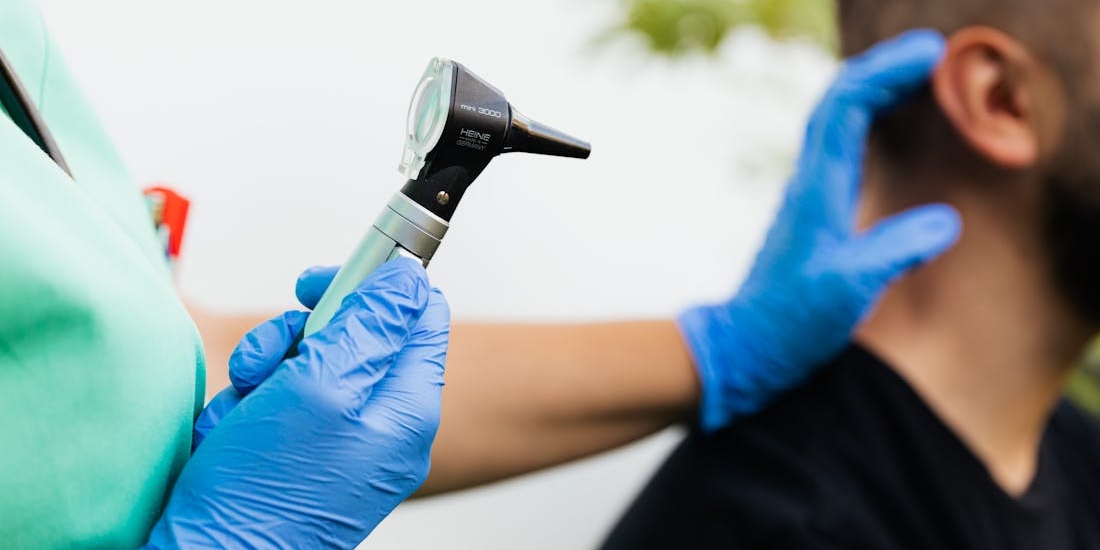
Don’t wait for the condition to worsen
Swimmer’s ear may seem harmless at first, but it can quickly turn into a painful and uncomfortable infection if not treated in time. The good news is that it’s easy to recognize, effectively treat, and even easier to prevent. If you spend a lot of time in the water, pay attention to early symptoms and don’t ignore them. Proper care, simple preventive measures, and an ENT examination can help you avoid complications and keep enjoying the water without discomfort. Take care of your ears – a little attention ensures worry-free fun in the water.