
Ear Pressure: Causes, symptoms and treatment
 +381 64 4184 444
The feeling of pressure in the ears often comes on suddenly—during a flight, after a cold, or even in moments of stress. While it may seem harmless, it can sometimes signal a deeper health issue. Whether it’s brief or recurring, it shouldn’t be ignored. At Dr Prlja Medical, we help you understand what ear pressure means, why it happens, how to recognize it, and what treatment options are available. Find out how to relieve the discomfort and prevent possible complications.
What is ear pressure and why you shouldn’t ignore it
Ear pressure is described as a feeling of fullness, heaviness, or mild blockage inside the ear. It can affect one or both ears and is often accompanied by reduced hearing, ringing, or even slight pain. This sensation typically occurs when there’s a disruption in the pressure balance between the middle ear and the external environment. Ignoring it may delay treatment of an underlying issue that needs attention.

Possible causes of ear pressure
Ear pressure can stem from a variety of causes – ranging from temporary conditions to more serious health concerns. Understanding what triggers it can help you find the right solution more easily. Here are the most common reasons behind this uncomfortable sensation:
- Ear and upper respiratory infections – Middle ear infections, colds, or viral illnesses often cause swelling and fluid buildup, which disrupt airflow and create pressure in the ear. This is especially common in children but can also affect adults.
- Sinus problems – When the sinuses are blocked, pressure can transfer to the ears. Sinus infections, allergies, or severe colds may interfere with normal pressure equalization, causing a feeling of fullness.
- Eustachian tube dysfunction – The Eustachian tube connects the middle ear to the throat and helps regulate pressure. If it doesn’t work properly, air can’t pass freely, leading to pressure, mild pain, or ringing.
- Tension and stress – Tension in the jaw, neck, or face muscles – often due to clenching or teeth grinding – can affect the ears. Chronic stress can worsen this pressure and make the sensation more persistent.
Other factors may also contribute, such as altitude changes during flights or mountain drives, diving, or a buildup of earwax (cerumen). In some cases, ear pressure may signal a more serious inner ear disorder like Ménière’s disease, which includes symptoms like dizziness, ringing in the ears, and gradual hearing loss.
Symptoms that indicate ear pressure
Ear pressure rarely occurs on its own. It’s usually accompanied by other symptoms that may signal issues within the ear system or respiratory tract. Recognizing these signs can help you respond early and prevent complications.
Common symptoms include:
- A feeling of fullness or blockage – as if the ear is “clogged,” with sounds seeming muffled.
- Ringing in the ears (tinnitus) – a mild or constant noise not caused by an external sound.
- Reduced hearing – sounds may seem distant or quieter than usual.
- Mild pain or discomfort – often felt as a dull ache, especially during altitude changes or swallowing.
- Dizziness or unsteadiness – pressure imbalance can lead to slight vertigo; if symptoms are severe, vertigo treatment may be necessary.
- Popping or crackling sounds – often occur when swallowing or yawning, indicating the body’s attempt to equalize pressure.
These symptoms may be mild and temporary or persistent and bothersome. If they occur frequently, last more than a few days, or get worse, it’s important to consult a doctor.
How is the cause of ear pressure identified
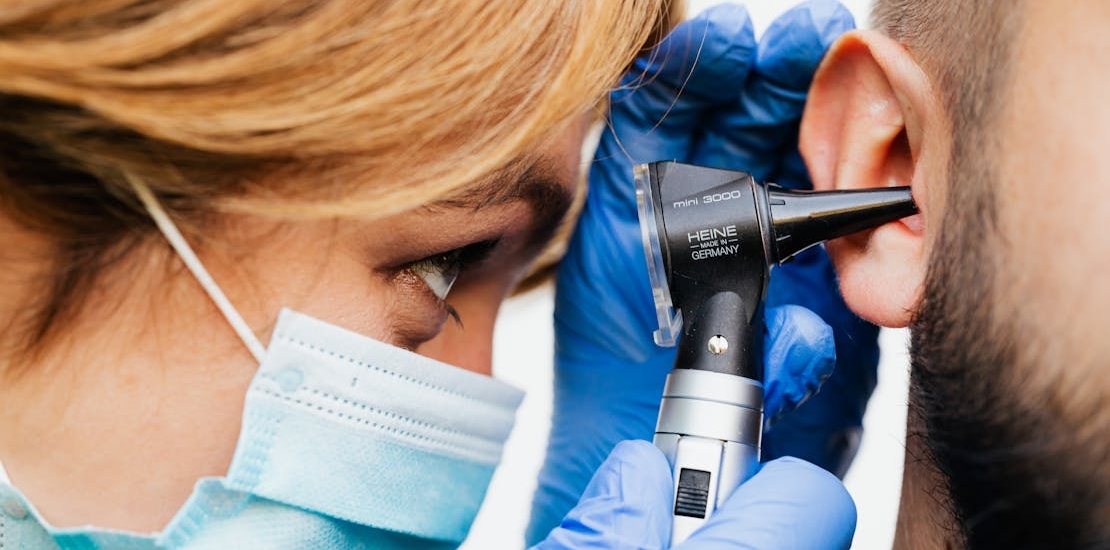
Diagnosing ear pressure is done by an ENT specialist in Belgrade through a thorough examination and specific tests to determine the root cause of the symptoms. Common diagnostic methods include:
- Otoscopy – a visual examination of the eardrum and ear canal to detect signs of infection, redness, fluid buildup, or earwax
- Audiometry – a hearing test that measures the ability to detect sounds at different frequencies and volumes
- Tympanometry – evaluates pressure in the middle ear and the mobility of the eardrum, which helps identify Eustachian tube dysfunction
- Nasal and sinus examination – used when sinus issues are suspected to be the source of ear discomfort
Depending on the symptoms, the doctor may also recommend additional tests such as a CT scan of the sinuses or allergy testing.
Treating ear pressure: What helps and how to relieve discomfort
Treatment for ear pressure depends on the underlying cause. In some cases, a bit of patience and a few simple home remedies are enough. In others, medical attention is necessary. The most important thing is not to ignore the symptoms and to take timely action to prevent complications.
Medical treatments and therapies
When the cause is medical, treatment is guided by a doctor and typically includes:
- Antibiotics – used in cases of bacterial ear infections
- Decongestant and corticosteroid sprays – help reduce swelling in the airways
- Antihistamines – prescribed for allergy-related symptoms
- Specialist interventions – recommended for Eustachian tube dysfunction or chronic ear issues
Home remedies and lifestyle changes
If symptoms are mild, certain simple measures can help relieve ear pressure:
- Swallowing, chewing gum, or yawning can help naturally equalize pressure.
- A warm compress placed over the ear may relax surrounding muscles and ease discomfort.
- Steam inhalation can improve sinus drainage and relieve congestion.
- Reducing stress through relaxation techniques may also be beneficial, especially if tension is a contributing factor.
Prevention and health tips
To reduce the chances of experiencing ear pressure, it’s important to treat colds, allergies, and sinus infections promptly. During flights, high-altitude travel, or diving, using protective earplugs and practicing pressure-equalizing techniques can be helpful. Ear hygiene should be done with care – avoiding overuse of cotton swabs, which can push wax deeper and cause blockages. Avoiding polluted air and quitting smoking also support respiratory health, which in turn benefits the ears.

Act early and protect your hearing
Ear pressure may seem like a minor issue, but it often signals more serious underlying problems that shouldn’t be ignored. Whether it appears occasionally or lasts longer, paying attention to the symptoms and seeking the right care is essential. Early detection and proper treatment can greatly improve your daily comfort and prevent complications. If you’re feeling discomfort, don’t wait – consult a specialist and take the first step toward healthy, pressure-free ears.