Third tonsil surgery
Improve your child's breathing and quality of life with third tonsil surgery.
 +381 64 4184 444
An enlarged third tonsil can cause snoring, difficulty breathing, repeated infections, and hearing problems, especially in children. When therapy does not yield results, third tonsil surgery becomes the best solution for easier breathing and healthier development. At Dr Prlja Medical Clinic in Belgrade, we provide patients with safe ENT care and support at every step, from examination to recovery. Contact us today and find out how we can help your child breathe freely and without discomfort.
What is the third tonsil?
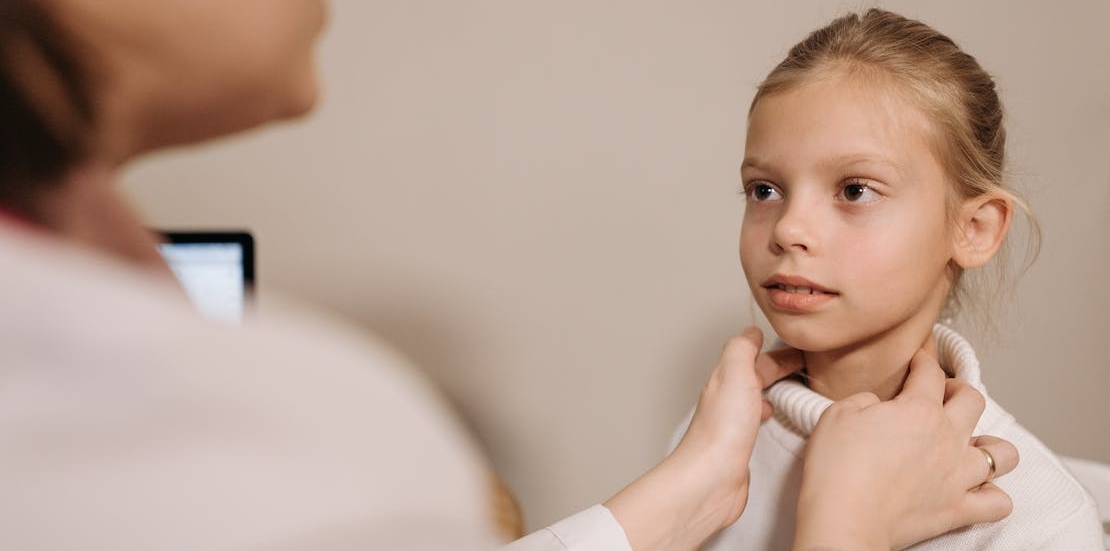
The third tonsil, also known as the adenoid, is lymphatic tissue located in the upper part of the throat, behind the nose and above the palate. It is part of the immune system and helps protect the body from infections in early childhood. In children, the third tonsil plays an important role in fighting bacteria and viruses. However, in some youngsters, this tonsil can become excessively enlarged due to frequent infections or allergies. Enlargement can cause breathing problems, frequent ear infections, snoring, or sleep disturbances. As a child grows, the third tonsil usually shrinks and often completely disappears by the teenage years.
Indications for third tonsil surgery
Third tonsil surgery in children (adenotomy) is recommended when an enlarged tonsil causes significant health problems or affects the child’s quality of life. The most common indications for this procedure include:
- Breathing difficulties: Constant difficulty breathing through the nose. Snoring and sleep apnea (interruptions in breathing during sleep).
- Frequent infections: Chronic inflammations of the third tonsil that do not respond to antibiotic treatment. Repeated ear infections (otitis media), especially with fluid accumulation behind the eardrum.
- Hearing problems: Reduced hearing caused by fluid in the middle ear (secretory otitis).
- Speech and developmental issues: Speech and articulation disorders due to nasal obstruction. Impact on the child’s growth and development due to sleep disturbances.
- Chronic sinusitis: Prolonged sinus inflammation associated with an enlarged third tonsil.
Preparation for third tonsil surgery
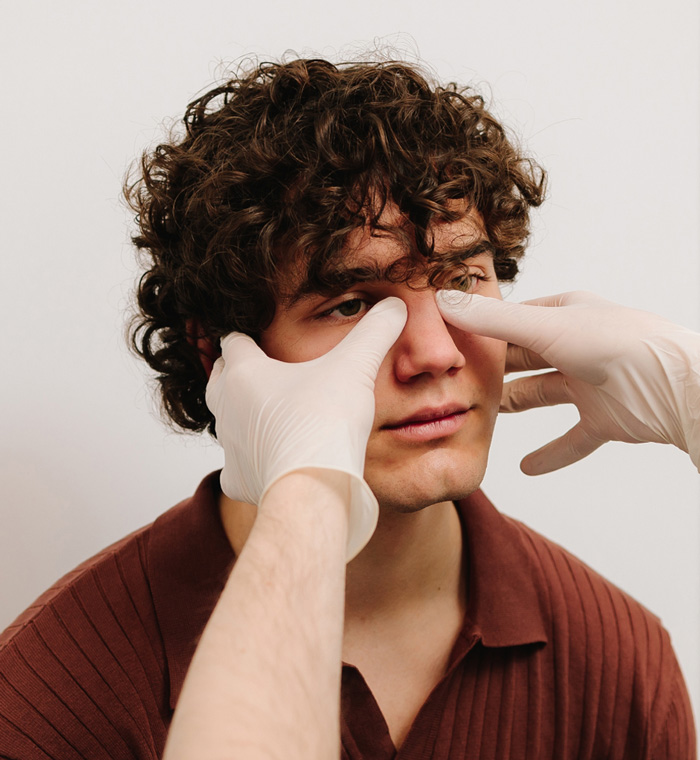
Before third tonsil surgery, it is necessary to conduct a detailed examination to determine whether the procedure is truly necessary and to what extent the tonsils affect breathing and hearing. The examination is performed with a fiber endoscope, a thin and flexible instrument that allows the doctor to clearly examine the third tonsil. This procedure is painless, and children generally tolerate it well.
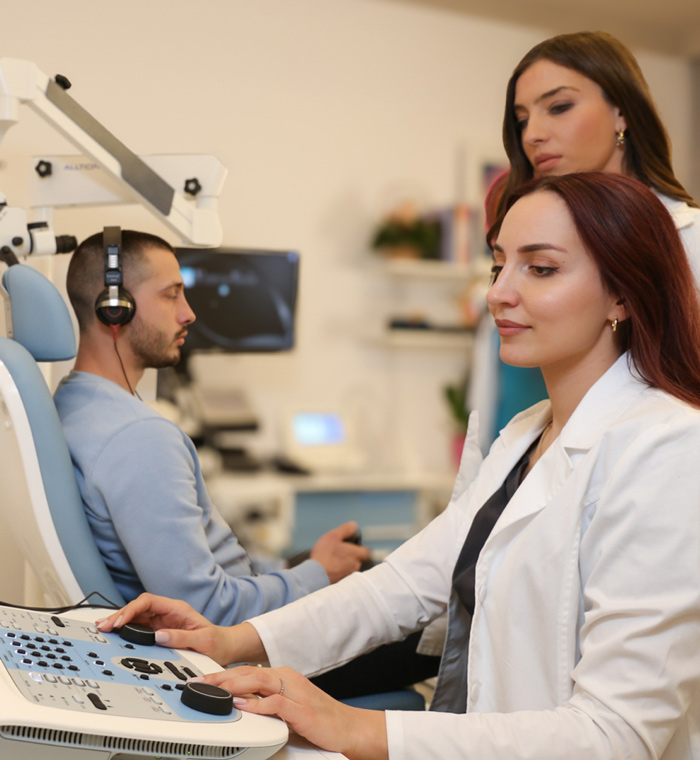
In cases where there is suspicion of reduced hearing, tympanometry (measuring the pressure in the middle ear) is performed, and in older children, audiometry (recording hearing). These analyses help in making the final decision regarding the need for surgery, and in some cases, the doctor may also recommend placing ventilation tubes in the eardrums to improve hearing.
After the ENT specialist confirms the need for surgery, the child is referred to a pediatrician who will carry out laboratory tests—a complete blood count, coagulation tests, and a general assessment of the child’s health—to ensure that the child can safely receive general anesthesia.
What does the third tonsil surgery procedure look like?
Third tonsil surgery is a simple and routine procedure. The procedure is performed under general anesthesia so that the patient is completely relaxed and pain-free during the operation.
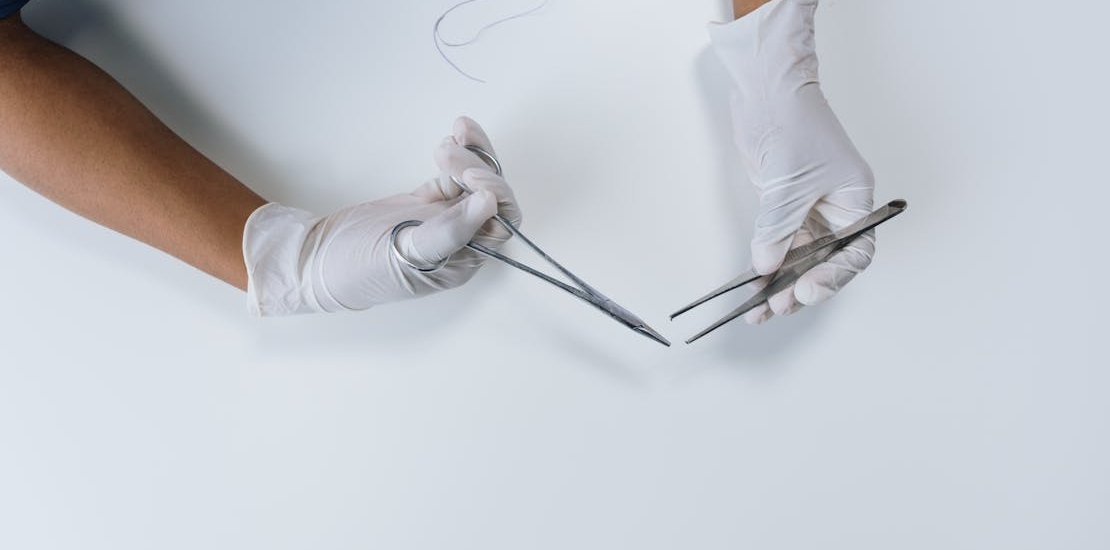
During the intervention, the doctor removes the enlarged lymphatic tissue located behind the nose, using specialized medical instruments. The procedure itself takes about 20 to 30 minutes, and by removing the tonsil, the airway is cleared, reducing the risk of repeated infections and hearing problems.
After the surgery, the patient remains under brief observation until the effects of the anesthesia wear off. Most children return home the same day, and the recovery period is quick and without major complications. Mild throat discomfort may occur during the first few days, but it can be easily relieved with appropriate painkillers.
Benefits of third tonsil surgery
Third tonsil surgery brings significant improvements in health and everyday functioning, especially in children who struggle with chronic problems due to an enlarged third tonsil. One of the main benefits is easier breathing. After removing the enlarged tissue, children often feel great relief, as the obstruction that was blocking airflow through the nose is eliminated.
Improvement in sleep quality is another important benefit. Children who previously had problems with snoring or apnea can now sleep peacefully and without interruptions, which contributes to better concentration, mood, and overall development.
Reduction in frequent ear and sinus infections is yet another benefit. By removing the source of the infection, the need for frequent antibiotics and doctor visits is reduced. Hearing also improves in children who had problems due to fluid buildup in the middle ear.
Risks and possible complications of adenotomy
Third tonsil surgery is considered a safe procedure, but like any medical intervention, it carries certain risks and the possibility of complications. The most common risk is mild bleeding during or after the operation. Doctors take all necessary measures to control it, but in rare cases, additional intervention may be required.
Infection is also a potential complication, although it is rare. If it occurs, it can be easily treated with antibiotics. Temporary throat pain and discomfort while swallowing are common occurrences after surgery, but these issues usually resolve within a few days with appropriate therapy.
A reaction to anesthesia, although extremely rare, can include allergic reactions or other undesirable effects. Because of that, the anesthesiologist thoroughly prepares for each procedure to minimize these risks.
Why choose Dr Prlja Medical Clinic for third tonsil surgery?
At Dr Prlja Medical Clinic, we provide top-quality ENT care with experienced specialists and the most advanced medical equipment, ensuring maximum safety and success for every procedure. We are committed to an individual approach, carefully evaluating each patient’s needs to ensure long-term results.
Third tonsil surgery in children is performed under fully controlled conditions, with a carefully managed postoperative process that reduces risks and enables faster recovery. Our team of doctors transparently guides patients through every step of the procedure, providing parents with security and confidence.
In addition to our expertise, we stand out for our caring approach to patients, creating a pleasant environment and support from the first examination to full recovery. If you are looking for a safe and efficient solution for problems with the third tonsil, Dr Prlja Medical is the right place for you. Contact us and ensure your child easier breathing and healthier development.
Give your child easier breathing and better sleep
Taking care of a child’s health is every parent’s most important task, and third tonsil surgery can significantly contribute to better health and an improved quality of life. Our clinic provides top-tier medical service and support throughout the entire process – from examination to recovery. With a skilled ENT team and modern methods, we ensure that every intervention is safe and successful. Don’t delay addressing problems with the third tonsil. Schedule an appointment at Dr Prlja Medical Clinic in Belgrade and give your child a healthier and happier everyday life.
Achieve flawless results with personalized treatments that highlight your natural beauty.

Frequently asked questions
Is third tonsil surgery safe?
Yes, the surgery is safe and a routine procedure, especially when performed in modern medical institutions with experienced specialists.
How long does recovery take after the surgery?
Recovery usually takes several days. Most children quickly return to their usual activities with minimal discomfort.
Will the child feel pain after the surgery?
Mild throat pain is possible, but it can be easily controlled with appropriate medication recommended by the doctor.
Is hospitalization necessary after adenotomy?
In most cases, the surgery is performed on an outpatient basis, which means the child goes home the same day.
How to prepare for the surgery?
The doctor will give precise instructions, including information about diet and fluid intake before the procedure. It is important to follow all advice so that the procedure proceeds successfully.
Experiences of those who chose us
My experience with Sara was actually my first treatment ever. I had always been skeptical until I met her through a mutual friend. All it took was seeing her flawless skin to completely trust her. Not only does she maintain a natural look, which I really appreciate, with minimal corrections, but she’s also a wonderful friend and, when needed, a great therapist. I always leave her office feeling satisfied and smiling. P.S. She’s the only one who managed to solve my under-eye bags!

-Ksenija Knezevic
Singer
I met Sara a few years ago, and after the first treatment, I was certain – this woman knows what she's doing! I trust her completely, and I love her approach, honesty, and directness. There’s no exaggeration or unnatural looks – just a refreshed, rested, and natural appearance. We always have so much fun, laughing, while also enhancing our beauty. After seeing Sara, I look like I’ve just returned from the best vacation!

-Matea Milosavljevic
Actress
I have known Sara Prlja for more than 15 years, and I can say that everything she envisioned, she has achieved. She has always worked on herself, invested in her knowledge and growth. Her clinic is the perfect place where you will feel comfortable and relaxed, and the service is top-notch. I highly recommend her and her work!
-Aleksandar Dramicanin
Hair & Makeup Artist
Love, trust, and respect are the foundation of every strong and lasting relationship, whether personal or professional. From a medical perspective, we know how essential support is in any healing process, but for me, the relationship between a doctor and a patient is one where trust is especially important. I have complete trust in Sara and always feel confident that everything will be okay. That trust creates a sense of safety and allows real progress, while care and connection give us the space to grow together. I have never viewed my relationship with Sara as just professional, because every time I visit the clinic, it feels more like coming to people I trust and feel close to rather than simply working with a provider. That is the X factor that makes this experience truly valuable to me.

-Nataša Kovačević Njezvanova
Influencer
My experience with Sara has been exceptional in every way. Above all, she is a genuinely kind person and an outstanding professional. Together with her wonderful team, she creates an atmosphere free of fear, where trust comes naturally. I am delighted with the results and feel beautiful, confident, and happy. I wholeheartedly recommend her.

-Mahrina
Singer
I don’t easily trust anyone with my skin care, but the moment I stepped into Dr Prlja Medical, I felt safe and confident in my choice. I wouldn’t replace Sara for anyone else. She combines expertise, warmth, and a genuine love for her profession. Every treatment leaves me feeling refreshed and renewed, both physically and emotionally. Trust me when I say that you are in the right place.

-Anja Ćurčić
Actress