
How to get rid of acne scars
 +381 64 4184 444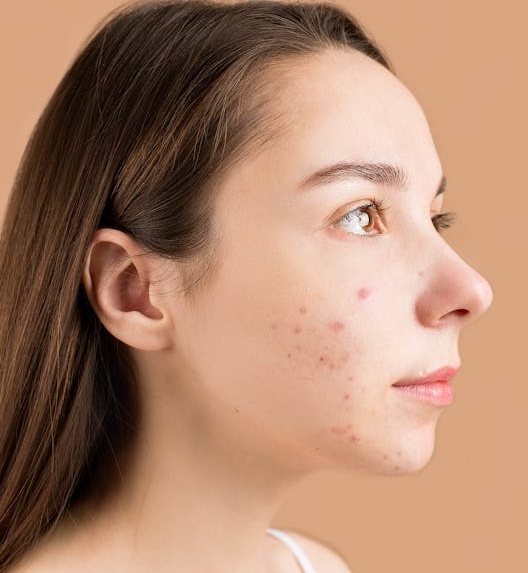
Dreaming of clear, radiant skin and wishing your acne scars were a thing of the past? You’re not alone. Acne scars can affect more than just your appearance, they can impact how you feel about yourself. The good news? They don’t have to be permanent. With the right care and proven treatments, you can noticeably reduce their appearance and bring back your skin’s natural smoothness. A little consistency goes a long way. Here’s how to get rid of acne scars and feel confident in your skin again.
What are acne scars?
Acne scars are marks that remain on the skin after breakouts have healed. They form when skin tissue is damaged, and the body doesn’t fully repair it. There are three main types: atrophic (indented), hypertrophic (raised), and post-inflammatory hyperpigmentation (dark spots).
Atrophic scars occur when the body doesn’t produce enough collagen during the healing process. Hypertrophic scars are the opposite – they develop due to an overproduction of scar tissue. Hyperpigmentation isn’t a true scar, but it can last for months without proper care.
Why do acne scars form?
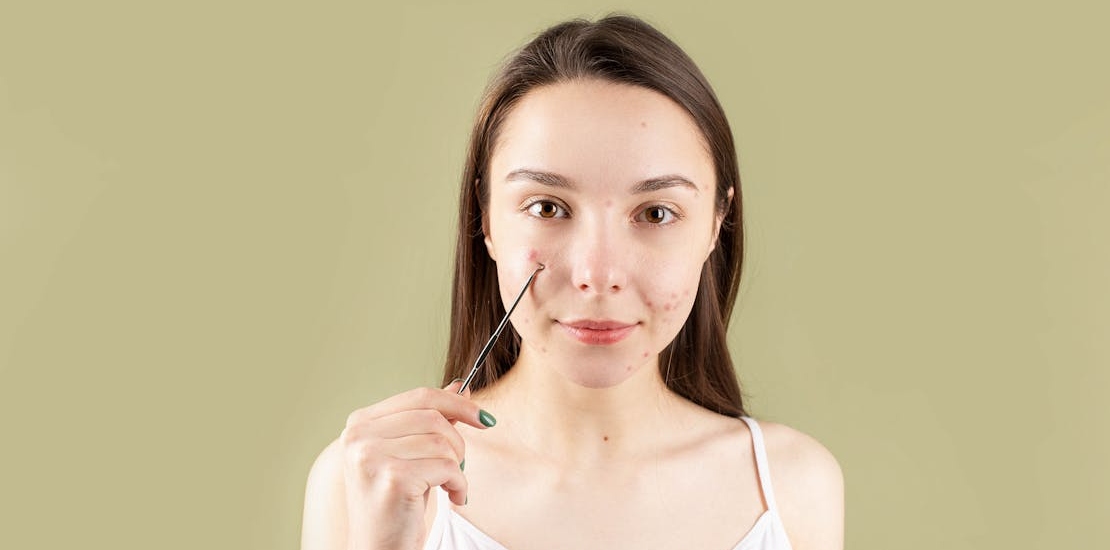
Acne scars are marks that remain after inflammation from acne subsides, particularly in severe cases like cystic or nodular acne, which penetrate deeper into the skin. When the body doesn’t produce enough collagen during the healing process, atrophic (indented) scars can form. In contrast, an overproduction of collagen leads to hypertrophic (raised) scars. Dark spots, known as post-inflammatory hyperpigmentation, aren’t true scars, but they often appear after acne and can last for months without proper skincare.
Squeezing or picking at pimples causes additional skin damage and increases the risk of scarring. Genetics, the severity and frequency of breakouts, healing time, and collagen production all play a role. People with slower skin regeneration are more likely to develop lasting marks from severe acne. Consistent skincare and early treatment of inflammation can greatly reduce the risk of permanent scarring.
How to get rid of acne scars
Removing acne scars requires a targeted approach and proper skincare, as different types of scars respond to different treatments. The main goal of these methods is to improve skin texture, stimulate regeneration, and reduce the lasting marks left behind by acne.
Chemical peels
Chemical peels involve the controlled application of acids to the skin to remove its outer layer. This accelerates cell turnover and promotes a more even texture. With regular use, chemical peels can effectively reduce the appearance of scars, discoloration, and other imperfections, leaving the skin looking smoother and more refreshed.
CO2 Laser
The CO2 laser is used to precisely remove damaged layers of skin, allowing healthy tissue to form in place of scars. It is especially effective for deeper, atrophic scars, as it promotes intensive regeneration and helps restore smoother, more even skin texture.
Collagen stimulator
A collagen stimulator is an aesthetic treatment that uses biocompatible substances to trigger the skin’s natural collagen production. Collagen is essential for skin firmness and a smooth, even complexion. A lack of it can make acne scars more visible. When these substances are injected into areas of damaged skin, they activate fibroblasts, which accelerate tissue repair. This process helps atrophic scars become shallower and less visible, while the skin gains firmness and a more natural fullness. The result is a refreshed appearance and improved self-confidence.
At-home treatments and skincare
To reduce the appearance of acne scars at home, several products and techniques can help improve your skin over time. However, keep in mind that at-home treatments typically don’t deliver fast results. For deeper scars, professional procedures offered by aesthetic clinics in Belgrade provide longer-lasting and more effective solutions. Still, with consistent care, at-home treatments can noticeably improve the appearance and quality of your skin. Here are some key recommendations:
- Retinol – Promotes cell turnover, reduces the appearance of scars, and improves skin texture.
- Vitamin C – Brightens dark spots, evens out skin tone, and supports skin regeneration.
- Hydration – Moisturizers with hyaluronic acid help the skin retain moisture and appear healthier.
- Exfoliation – Whether you choose a gentle chemical or physical exfoliant, removing dead skin cells encourages the formation of newer, healthier skin.
- Sun Protection – Using sunscreen (SPF) is essential for preventing the worsening of hyperpigmentation and slowing down skin aging.
- Natural Remedies – Aloe vera, rosehip oil, and honey can help soothe the skin and may support healing in cases of mild scarring.
Preventing acne scars
Proper skincare and timely treatment of inflamed acne are key to preventing scarring. Taking the right steps early on can reduce the risk of permanent marks and help keep your skin healthy and resilient.
- Don’t squeeze or pick at acne: Manipulating blemishes can worsen inflammation and lead to deeper skin damage.
- Use high-quality skincare products: Ingredients like niacinamide and salicylic acid help reduce inflammation and prevent future breakouts.
- Keep your skin well-hydrated: Adequate hydration supports healing and lowers the risk of permanent scarring.
- Start treatment early: If acne doesn’t improve, consult a dermatologist to begin effective treatment as soon as possible.
- Maintain a skin-friendly diet: Foods rich in zinc, omega-3 fatty acids, and antioxidants promote faster skin regeneration.
- Change pillowcases regularly: Clean bedding helps reduce bacteria that can worsen acne.
- Avoid harsh skincare products: Overusing strong ingredients can cause irritation and weaken the skin’s barrier, making it more prone to damage.
Common mistakes in treating acne scars
Expecting quick results often leads to impatience and overuse of skincare products, which can actually worsen the condition of the skin. Aggressive treatments, such as strong acid-based products or harsh exfoliation, may further damage the skin and increase the risk of hyperpigmentation. Using the wrong products or neglecting sun protection can also slow down healing and make scars more noticeable. The key to success lies in patience, proper care, and using treatments tailored to your skin’s specific needs.
Solutions exist – It’s time for a change
Acne scars don’t have to be permanent. Modern aesthetic treatments such as laser therapy, chemical peels, and collagen stimulators offer effective solutions that can help you get rid of acne scars and refresh the skin’s appearance. When at-home treatments don’t deliver the desired results, expert advice and a personalized approach can help you find the method that best suits your skin’s specific needs. With patience and consistent care, each step brings you closer to smoother, more even skin and renewed confidence. Invest time in the right treatment and enjoy the transformation that restores your skin’s natural beauty and youthful glow.