
Sleep apnea – causes, symptoms, and methods of treatment
 +381 64 4184 444
Do you wake up feeling tired, even though you slept through the entire night? Do you snore loudly or have a feeling of choking during sleep? These symptoms can indicate sleep apnea, a breathing disorder that can affect your health, energy, and the overall functioning of your body. Although many people ignore these signals, discomforts such as chronic fatigue, headaches, and concentration problems are often the result of undiagnosed apnea. The quality of sleep directly affects the quality of life, and when breathing becomes irregular during the night, the consequences are felt throughout the entire day. Sleep apnea can significantly disrupt daily functioning, but recognizing the symptoms is the first step toward finding the right solution and once again waking up feeling rested and refreshed.
What is sleep apnea?
Sleep apnea is a breathing disorder during sleep, in which repeated interruptions of breathing occur. These interruptions can last from a few seconds to minutes and often recur throughout the night. There are three main types of sleep apnea:
- Obstructive sleep apnea: the most common form, it occurs when the throat muscles become excessively relaxed, leading to a narrowing or closure of the airways during sleep.
- Central sleep apnea: a rarer form, it occurs when the brain does not send the appropriate signals to the muscles that control breathing.
- Mixed sleep apnea: a combination of obstructive and central apnea.
The most common causes of sleep apnea
Sleep apnea can arise for various reasons, but certain factors increase the risk of its development. The most common causes include:
- Excess body weight: Fat tissue around the neck can put pressure on the airways and cause them to narrow during sleep. This makes it more difficult for air to flow and leads to episodes of interrupted breathing.
- Anatomical factors: Enlarged tonsils, a large tongue, enlarged adenoids, or narrow airways can interfere with normal airflow during sleep, which increases the risk of apnea.
- Age: As a person gets older, the muscle tone in the airways decreases, which can contribute to their closure during sleep. Sleep apnea is more common in people over 40.
- Gender: Men are more prone to sleep apnea than women, although the risk for women increases after menopause.
- Use of alcohol and sedatives: Alcohol and tranquilizing medications relax the throat muscles, which can cause airway blockage and worsen sleep apnea symptoms.
- Smoking: Smokers have a higher risk because cigarette smoke can cause inflammation and swelling in the airways, reducing airflow and increasing the frequency of breathing interruptions during sleep.
- Problems with nasal breathing: A stuffy nose, a deviated septum, or chronic allergies can contribute to difficult breathing and cause episodes of apnea during sleep.
- Genetics: If someone in the family has sleep apnea, there is a greater likelihood that other family members will have similar problems due to hereditary anatomical characteristics of the airways.
What are the symptoms of sleep apnea?
Symptoms of sleep apnea can vary in intensity, but some signs are very common and easy to notice. The most common symptoms include:
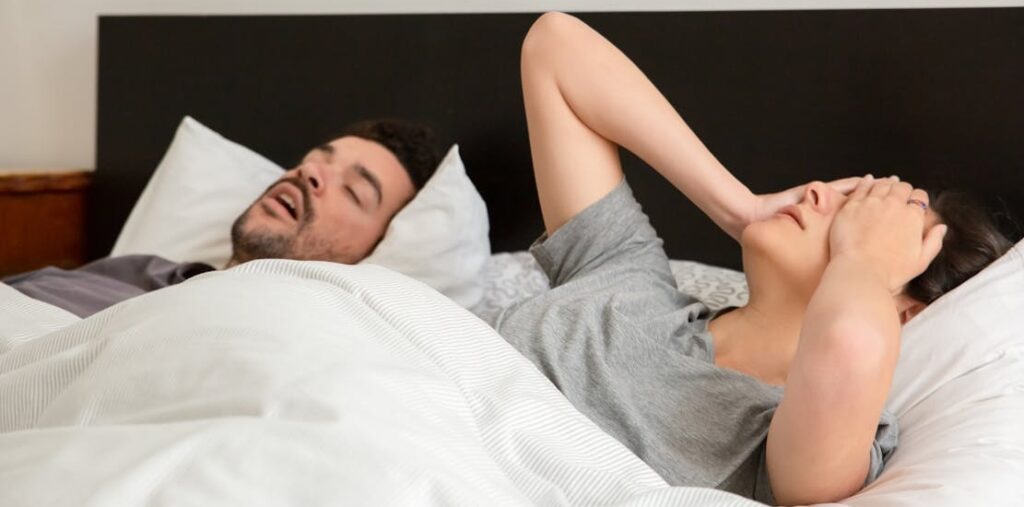
- Loud snoring: Snoring is one of the most recognizable signs of sleep apnea. It is often accompanied by sudden interruptions of breathing and choking sounds during the night.
- Interruptions of breathing during sleep: People with sleep apnea have episodes in which they completely stop breathing for a few seconds to minutes. A partner or family members may notice this.
- Waking up with a feeling of choking or lack of air: Suddenly waking during the night with a feeling of choking or panic often indicates a serious breathing disorder.
- Dry mouth and sore throat in the morning: Increased mouth breathing due to blocked airways can cause a dry mouth and sore throat immediately after waking up.
- Morning headaches: Insufficient oxygenation during sleep can lead to headaches in the morning, which often disappear throughout the day.
- Fatigue and daytime sleepiness: Lack of quality sleep due to frequent awakenings can cause feelings of exhaustion, concentration issues, and an increased need for daytime naps.
- Memory and concentration problems: People with apnea often have difficulties learning, making decisions, and maintaining focus during the day.
- Irritability and mood changes: Chronic fatigue can lead to increased irritability, anxiety, and a depressive mood.
- Night sweats: Breathing disorders can cause increased sweating during the night.
How is sleep apnea diagnosed?
Sleep apnea is diagnosed through a medical evaluation and specialized tests. The doctor first gathers information about symptoms, sleep patterns, and medical history. An ENT (ear, nose, and throat) examination helps detect physical obstructions to breathing.
The most accurate diagnostic method is polysomnography, a test conducted in a sleep laboratory. During the night, breathing, oxygen levels, heart rate, and brain activity are monitored. There is also a home sleep test that records basic breathing parameters and blood oxygen levels.
If the diagnosis is confirmed, the doctor evaluates the severity of the disorder and recommends appropriate treatment. Early detection and treatment can significantly improve sleep quality and overall health.
Methods of treating sleep apnea.
Treatment for sleep apnea depends on the cause and severity of the symptoms. Lifestyle changes, such as losing weight, quitting smoking, and avoiding alcohol before bedtime, can reduce the frequency of breathing interruptions. In milder forms of apnea, sleeping on one’s side is recommended, as this position reduces the relaxation of the throat muscles and makes breathing easier.
The CPAP device is most commonly used, providing a constant airflow during sleep and preventing the closure of the airways. This therapy improves sleep quality and reduces snoring, which is often the main symptom of apnea. In some cases, the doctor may recommend oral appliances that move the lower jaw forward and open the airways.
In people with a severe form of apnea, when other methods do not yield results, surgical intervention may be considered. Surgery removes excess tissue from the throat or corrects nasal deformities that interfere with breathing. Treatments for snoring, such as laser procedures or radiofrequency therapies, can help those with milder sleep disorders.
A peaceful sleep with Dr. Prlja Medical
Sleep apnea can seriously affect health and quality of life, but timely diagnosis and adequate treatment bring significant improvement. Ignoring the symptoms can increase the risk of heart disease, stroke, and chronic fatigue. If you notice signs of apnea in yourself or someone close to you, it’s time for a professional evaluation. At the Dr Prlja Medical Clinic, modern diagnostic tests and effective treatment methods are available that help restore high-quality sleep. Our team of experts tailors therapy to each patient, providing the best possible solution.
Don’t let apnea endanger your health. Call us and schedule an appointment! Take the first step toward calmer and healthier sleep.