
Which treatment is most effective for removing stretch marks?
 +381 64 4184 444
Stretch marks are one of those skin changes that don’t hurt, but can bother a person every time they look in the mirror or put on a swimsuit. Many then start looking for options for removing stretch marks and hope for a quick fix. Does it exist? The short answer is: there are many options, but none wipes stretch marks away like an eraser. The good news is that modern aesthetic clinics in Belgrade can significantly reduce how visible they are and improve the look of the skin, especially when you act in time and combine treatments wisely. To make a calm decision, it helps to understand how stretch marks form, what happens inside the skin, and how different treatment methods work.
Stretch marks: What are they and how do they form?
Stretch marks (medically, striae distensae) are a type of scar in the deeper layer of the skin, the dermis. When the skin stretches quickly, the collagen and elastin fibers in that layer tear. Collagen gives firmness, elastin gives elasticity, and when this network is disrupted, fine, indented lines appear on the surface.
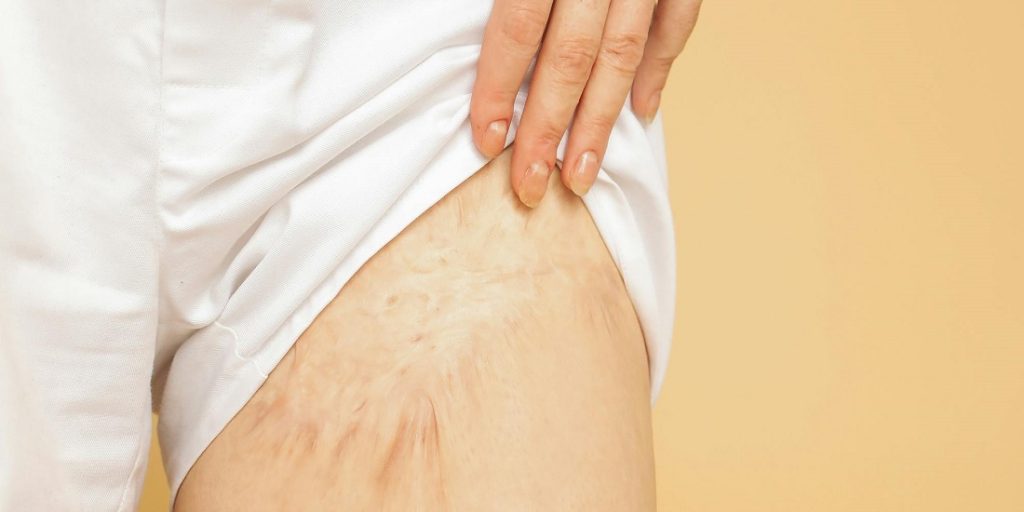
In the early stages, stretch marks look reddish or purple because blood vessels are still active in that area. Later, they fade and turn white, and then they are harder to change. Mechanical stretching is not the only factor. Hormones, especially cortisol, and cells that break down connective tissue also play a role. This is why stretch marks do not appear the same in everyone, even with a similar lifestyle.
Causes of stretch marks: Why do they appear?
They most often show up during periods of sudden change:
- puberty, pregnancy
- rapid weight gain
- weight loss
- intense training with fast muscle growth
Hormonal imbalances and long-term use of corticosteroids (tablets, injections, or creams) further weaken the structure of the dermis. Genetics also plays a role: you may notice that your mother or sister has a similar issue. It is especially important to know that stretch marks form more easily when connective tissue is already weaker – due to illness, poor diet, lack of sleep, or smoking. Sounds complicated? The message is actually simple: the skin dislikes sudden changes and needs stable support from within.
Options for removing stretch marks
When talking about removing stretch marks, doctors usually think in two groups of treatments. The first are topical methods:
- creams
- serums
- oils
- dermocosmetics
They can affect cells in the upper and partly deeper layers and are most helpful for early, red stretch marks.
The second group includes professional body treatments in Belgrade such as:
- lasers
- microneedling (treatment with micro-needles)
- radiofrequency
- chemical peels
- microdermabrasion
These act deeper, stimulate collagen production, and change the texture of the skin, so they give more noticeable results, especially when combined. The goal of most modern protocols is not perfect erasing of stretch marks, but to free you from that “my eyes keep going to that spot all the time” feeling.
Prevention and everyday habits
Can we sometimes prevent stretch marks? Not always, but we can reduce the risk.
- During pregnancy, it helps to keep weight changes within the range your gynecologist suggests.
- In puberty, it is good to support healthy growth: enough protein, zinc, vitamins, but also sleep and physical activity.
- When losing weight, the body handles a slow drop in kilos better than crash diets. Hydration matters, and not just as a “drink more water” phrase – dehydrated skin handles pressure worse.
- Creams and oils “for stretch mark prevention” can improve elasticity, but most do not have proof that they stop scars from forming. Some products with hyaluronic acid or plant extracts are an exception, as they show a modest but real reduction in new stretch marks. Still, no oil can “guarantee” that stretch marks will not appear.
What creams, oils, and dermocosmetics can do
For already formed stretch marks, topical therapy has a limited but useful effect. Retinol in skin care for stretch marks can stimulate new collagen production and thicken the skin, especially with red, fresh stretch marks. It takes a few months of regular use to see improvement, and it usually means reduced width and depth, not complete disappearance. With white stretch marks, the effect is weaker.
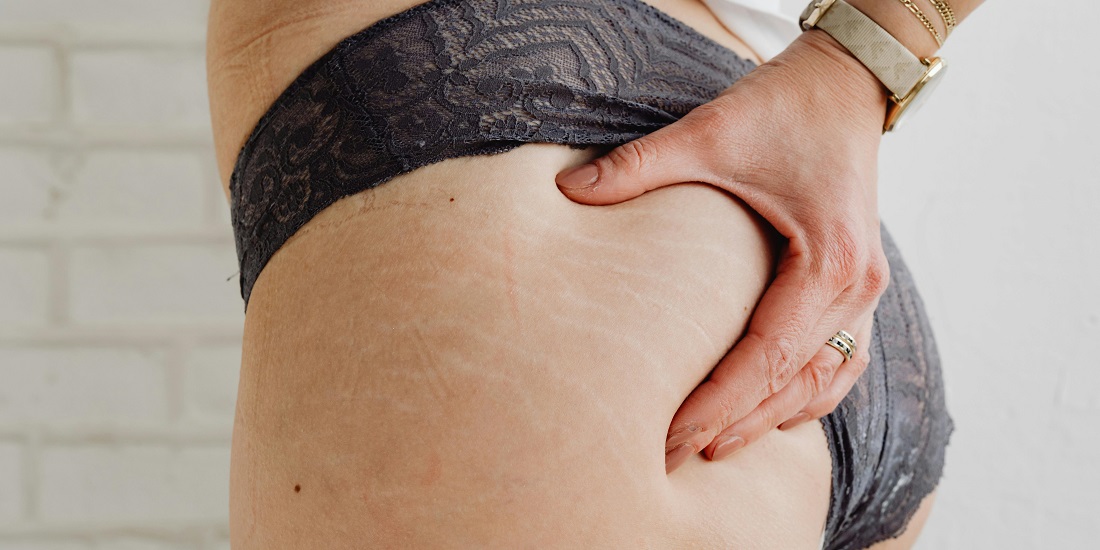
Products with hyaluronic acid, peptides, or Centella asiatica extract can further improve skin texture and how it feels. On the other hand, popular cocoa butter, olive oil, and various “home” remedies lack convincing evidence for treating stretch marks. During pregnancy, retinoids are not used because of risks to the fetus, so the focus shifts to hydrating, gentle formulas without aggressive active ingredients.
How laser and other procedural treatments work
Lasers and other body treatments in Belgrade target the deeper layers, where the stretch mark actually is.
- Vascular lasers act on blood vessels and help the red color of early stretch marks fade faster.
- Fractional lasers can be ablative or non-ablative. Ablative ones, such as the fractional CO2 laser, create controlled damage in the dermis and thus stimulate new collagen. A non-ablative example is the erbium glass laser, which works more gently but still stimulates skin renewal.
- Microneedling does something similar in a mechanical way, using tiny needles that penetrate the skin. When combined with radiofrequency, the heat further tightens the tissue.
- Chemical peels and microdermabrasion act more on the surface, but can even out skin tone and gently smooth the transition between the stretch mark and the surrounding skin.
- Treatment plans often combine these techniques in cycles, with breaks for recovery and topical care.
Pain, safety, and recovery
It’s natural to wonder how much it hurts and how long recovery lasts. Most body treatments in Belgrade are done with a numbing cream, so the pain stays manageable. During the procedure you may feel warmth, tingling, or mild burning, depending on the method. Afterward, the skin is often red, swollen, and sensitive to touch for a few days, and after stronger lasers sometimes longer.
Darker skin types need a more cautious approach because the risk of post-inflammatory hyperpigmentation is higher. That’s why it is very important that the procedures are performed by a trained specialist experienced with different skin phototypes. After treatment, strict sun protection and gentle care are essential, with no harsh peels or aggressive creams until the skin heals.
How you and your specialist choose a treatment plan
Who is a good candidate for professional stretch mark removal? The answer depends on:
- stage of the stretch marks
- skin tone
- overall health
- your expectations
Early, red stretch marks usually respond best, so topical retinoids or other active ingredients are often combined with vascular or fractional lasers in these cases. White, older stretch marks need persistent work on texture, so fractional lasers, microneedling, and radiofrequency are used more often, usually in several cycles.

People who use systemic corticosteroids, have hormonal disorders, or tend to form keloid scars need especially careful assessment, sometimes in consultation with other specialists. A good plan means a clear goal (how much improvement you expect), a realistic number of sessions, and precise instructions for home care between visits.
When it’s time to seek professional help
Some people see a doctor as soon as they notice the first red lines, others wait for years. So when is the “right” moment? If stretch marks appear suddenly, cover large areas, and come with fatigue, weight changes, or other symptoms, it makes sense to check the bigger picture. Sometimes this points to hormonal or other systemic issues.
There is also a psychological reason: you might avoid the pool, shorts, or intimacy with your partner. At that point, the problem is no longer just “cosmetic”. For the consultation, it helps to bring a list of your medications, information about chronic illnesses, and, if possible, photos taken before any previous treatments. All of this helps the specialist tailor the therapy to your situation.
What you can realistically expect when removing stretch marks
Stretch marks are actually small scars in the skin, caused by a mix of mechanical stretching, hormones, and genetic tendency. There are no magic creams or devices that erase them overnight. Topical treatments can improve the appearance, especially in the early phase, while lasers, microneedling, and radiofrequency offer deeper and more visible changes. The best results come when prevention, daily habits, creams, and professional procedures fit into one plan. The most important message? The goal of stretch mark treatment is not perfection, but skin you feel better in, with therapy that respects your health, lifestyle, and real options.