Elongated uvula
 +381 64 4184 444
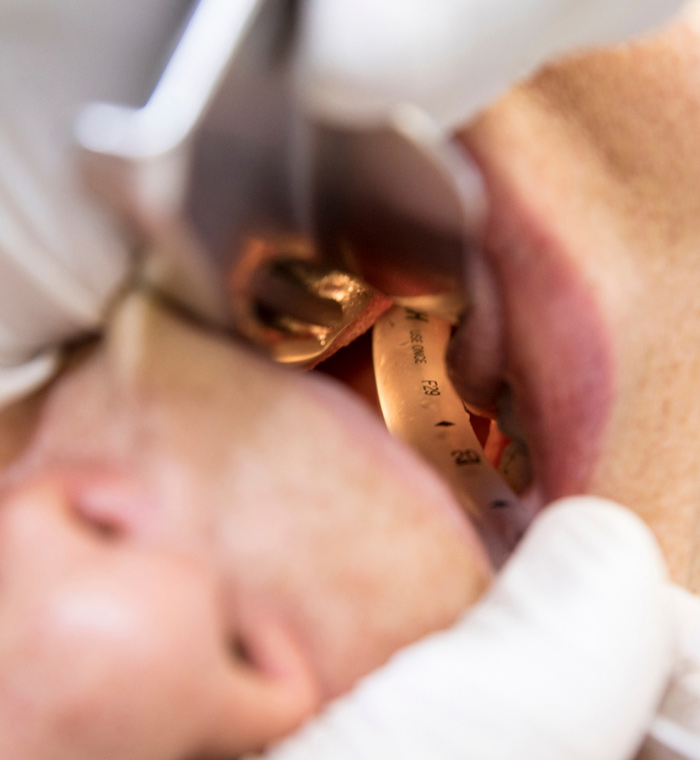
An elongated uvula is a medical condition that occurs when the uvula, the fleshy tissue at the back of the throat, becomes lengthened or abnormally long. This condition can cause serious symptoms, such as sore throat, breathing difficulties, and reduced sleep quality. Our team at Dr Prlja Medical in Belgrade specializes in diagnosing and treating elongated uvula, using advanced medical techniques and personalized care for every patient. Contact us today to schedule your appointment.

What is the uvula and why is it important?
The uvula is a small fleshy part at the back of the mouth that hangs from the soft palate. Although many people ignore it, the uvula plays an important role in breathing, speech, and swallowing. It helps protect the airways by preventing food or liquid from entering the throat and lungs. The uvula also helps create sounds during speech and supports the normal process of swallowing food and liquids.
The health of the uvula is essential for normal throat function. If it becomes elongated or swollen, it can lead to breathing problems, snoring, sleep-related breathing issues, and difficulty swallowing food and liquids. Under normal conditions, the uvula is short and flexible, and its proper function allows free airflow and safe swallowing. When it becomes lengthened or enlarged, it can cause discomfort and interfere with these basic functions.
What causes an elongated uvula?
An elongated uvula can develop due to different factors, most often infections and irritation.
- Allergies: Allergic reactions cause throat inflammation and irritation, which can lead to breathing difficulties and an elongated uvula.
- Gastroesophageal reflux disease (GERD): Stomach acid reaches the throat, irritates the uvula, and makes it swell and lengthen.
- Throat injury: Direct injury or trauma to the throat triggers prolonged swelling of the uvula and makes it longer than normal.
- Overuse of the vocal cords: Loud speaking or singing irritates the throat, causes inflammation, and can elongate the uvula.
- Smoking and smoke exposure: Long term use of tobacco-related products or exposure to smoke increases uvula swelling and can lead to its elongation.
Normal anatomical variations of the uvula and the effect of dehydration
Besides an elongated uvula, there are other normal anatomical variations that can affect its appearance. For example, a bifid uvula is a condition where the uvula has two branches, while uvular deviation means that the uvula shifts to one side. These variations usually do not cause serious health issues, but they can still cause discomfort in the throat.
Dehydration and a dry throat, on the other hand, can negatively affect the uvula, making it dry, irritated, and sometimes elongated. Dryness may worsen the symptoms of an elongated uvula, causing pain or discomfort, especially while swallowing. If other factors such as allergies or reflux are also present, dehydration can further aggravate the condition of the uvula, leading to its elongation or inflammation.
What is the difference between an elongated uvula and uvulitis (uvula inflammation)?
An elongated uvula and uvulitis are two different medical conditions that affect the uvula but have different causes and symptoms. An elongated uvula develops when the uvula becomes abnormally long or extended. It can cause problems such as snoring or difficulty swallowing, but it usually does not involve inflammation.
Uvulitis, on the other hand, is an inflammation of the uvula that causes redness, swelling, and pain. It is usually caused by infections (bacterial or viral), allergies, or irritation, and is often accompanied by high fever and breathing difficulties. While an elongated uvula mainly causes discomfort during sleep or swallowing, uvulitis can lead to more serious symptoms such as intense pain and infections that require medical treatment.
When should you see a doctor?
If you notice persistent throat pain, snoring that you never had before, or difficulty breathing during sleep, it is time to see a doctor. An elongated uvula can disturb sleep. One of the more serious problems that may appear is a temporary pause in breathing during sleep, known as sleep apnea. Sleep apnea can lead to serious health complications.

In addition, if you have trouble swallowing food or drinks, or feel a foreign body in your throat, it may be a sign that the uvula is not in its normal position. If these symptoms last for more than a few days, an examination at an ENT clinic is recommended, where a specialist uses precise diagnostic methods to identify the exact cause and type of problem. You should seek urgent medical help if you experience:
- difficulty breathing
- high fever
- difficulty swallowing
How is an elongated uvula diagnosed?
Diagnosis of an elongated uvula starts with a detailed examination of the throat and airways. Our staff first discusses your symptoms and performs a visual inspection of the uvula. If there is a suspicion of an elongated uvula, video laryngoscopy is used, which allows a detailed view of the uvula and surrounding tissues. This method is very precise and painless, as a small camera is passed through the nose or mouth to record the inside of the throat.
The examination is quick and gives a clear picture of whether the uvula is elongated or if there are other airway problems. In some cases, the doctor may recommend additional tests, such as polysomnography (a sleep apnea test) or X-ray imaging to exclude other possible causes of breathing difficulties.
What health problems can this examination detect?
Diagnosis of an elongated uvula does not only reveal basic airway problems, but can also point to other, often overlooked health issues. For example, an elongated uvula may be a sign of other structural problems in the throat or airways. One possible issue is airway stenosis, a condition where the airways are narrowed, which can interfere with normal breathing. A prolonged uvula can also suggest sinus problems, since breathing difficulties during sleep may be linked to chronic sinusitis or inflammation of the sinuses.
An elongated uvula may also irritate the surrounding tissues and increase the risk of chronic infections in the upper airways. The examination can reveal possible disorders in normal vocal cord function, because a prolonged uvula can affect voice quality and cause hoarseness. If proper treatment for hoarseness is not sought, this may lead to permanent voice changes or difficulty speaking. It is important to identify the problem in time to prevent more serious complications that can affect breathing, speech, and overall health.
Treatment options for an elongated uvula
Treatment for an elongated uvula depends on the cause and the severity of the symptoms. In the early stages, a doctor may recommend medications to reduce inflammation and irritation, such as anti-inflammatory drugs or corticosteroids. Patients are also advised to adjust their lifestyle habits, including quitting smoking and avoiding irritating substances.

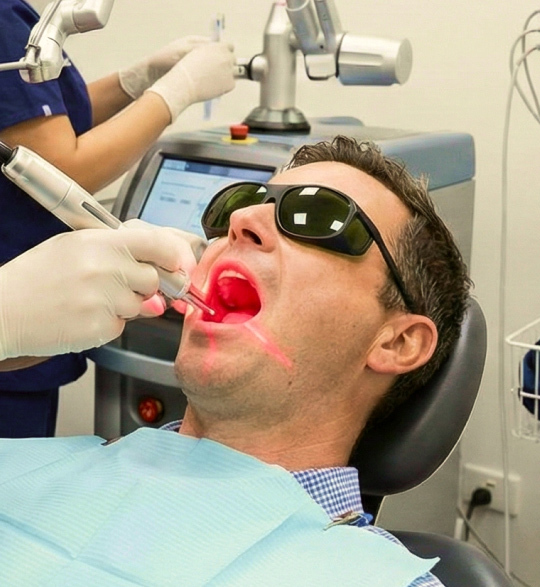
If symptoms are more severe and do not respond to conservative treatments, further intervention may be necessary. This problem can be treated quickly and successfully with a CO2 laser, which allows precise and minimally invasive shortening of the uvula. The laser procedure is safe, fast, and effective, with a very low risk of complications. Recovery is usually quick and takes only a few days.
Next steps after the examination: how to treat an elongated uvula?
After the procedure, the patient is carefully monitored to provide a fast and safe recovery. Postoperative care includes:
- Follow-up ENT exam to monitor wound healing and prevent complications such as infection or bleeding.
- Recovery advice: patients are advised to avoid irritants like tobacco smoke and to maintain good oral hygiene.
- Gradual return to normal activities: after surgery, most patients need a few days to a few weeks to recover fully and return to daily routines.
In some cases, after surgery, patients may be referred for additional treatments. These include throat physiotherapy or breathing techniques to improve airway function and prevent possible speech problems. Therapy may also include exercises to strengthen the vocal cords and improve breathing.
Solve the problem of an elongated uvula with our help
Our clinic, Dr Prlja Medical in Belgrade, offers precise diagnostics and effective treatment of an elongated uvula. An experienced team uses the latest medical techniques and provides personalized care that helps you relieve symptoms and improve your quality of life. If you have symptoms of an elongated uvula or want to learn more, contact us today and schedule an appointment. Our clinic is here to help you resolve the problem of an elongated uvula and support your overall health.
Achieve flawless results with personalized treatments that highlight your natural beauty.

Frequently asked questions and answers
Can an elongated uvula affect speech quality?
Yes, an elongated uvula can affect speech quality, because the extra length can disturb normal airflow through the throat and cause hoarseness or unclear pronunciation. In some cases, an elongated uvula can also cause buzzing or other sounds while speaking.
Can an elongated uvula cause loss of taste?
It is not very common, but a prolonged uvula can irritate the throat and lead to temporary loss of taste or reduced taste sensitivity, especially when it comes with throat inflammation or infection.
What are the risks if an elongated uvula is not treated in time?
If you do not treat an elongated uvula, serious breathing and sleep problems may appear, including sleep apnea. This can raise the risk of cardiovascular disease, high blood pressure, and a lower quality of life. In the long term, breathing and swallowing problems can also lead to chronic airway infections.
Is an elongated uvula hereditary?
An elongated uvula is usually not directly hereditary, but some anatomical throat variations or a tendency to allergies and breathing disorders can run in families. A family history of breathing problems or allergies can increase the risk of developing an elongated uvula.
Can an elongated uvula affect oral hygiene and cause bad breath?
Yes, an elongated uvula can contribute to bad breath (halitosis), because it can make it harder to keep the throat and mouth clean. A prolonged uvula can allow bacteria to build up in the throat, which leads to unpleasant odor, especially when infection or inflammation is present.
Can an elongated uvula cause ear pain?
Yes, an elongated uvula can cause ear pain. Extra length can create pressure in the throat that spreads toward the Eustachian tubes, which connect the throat and the ears. This pressure can lead to irritation and ear pain and often appears together with breathing problems and difficult swallowing.
Experiences of those who chose us
My experience with Sara was actually my first treatment ever. I had always been skeptical until I met her through a mutual friend. All it took was seeing her flawless skin to completely trust her. Not only does she maintain a natural look, which I really appreciate, with minimal corrections, but she’s also a wonderful friend and, when needed, a great therapist. I always leave her office feeling satisfied and smiling. P.S. She’s the only one who managed to solve my under-eye bags!

-Ksenija Knezevic
Singer
I met Sara a few years ago, and after the first treatment, I was certain – this woman knows what she's doing! I trust her completely, and I love her approach, honesty, and directness. There’s no exaggeration or unnatural looks – just a refreshed, rested, and natural appearance. We always have so much fun, laughing, while also enhancing our beauty. After seeing Sara, I look like I’ve just returned from the best vacation!

-Matea Milosavljevic
Actress
I have known Sara Prlja for more than 15 years, and I can say that everything she envisioned, she has achieved. She has always worked on herself, invested in her knowledge and growth. Her clinic is the perfect place where you will feel comfortable and relaxed, and the service is top-notch. I highly recommend her and her work!

-Aleksandar Dramicanin
Hair & Makeup Artist
Love, trust, and respect are the foundation of every strong and lasting relationship, whether personal or professional. From a medical perspective, we know how essential support is in any healing process, but for me, the relationship between a doctor and a patient is one where trust is especially important. I have complete trust in Sara and always feel confident that everything will be okay. That trust creates a sense of safety and allows real progress, while care and connection give us the space to grow together. I have never viewed my relationship with Sara as just professional, because every time I visit the clinic, it feels more like coming to people I trust and feel close to rather than simply working with a provider. That is the X factor that makes this experience truly valuable to me.

-Nataša Kovačević Njezvanova
Influencer
My experience with Sara has been exceptional in every way. Above all, she is a genuinely kind person and an outstanding professional. Together with her wonderful team, she creates an atmosphere free of fear, where trust comes naturally. I am delighted with the results and feel beautiful, confident, and happy. I wholeheartedly recommend her.

-Mahrina
Singer
I don’t easily trust anyone with my skin care, but the moment I stepped into Dr Prlja Medical, I felt safe and confident in my choice. I wouldn’t replace Sara for anyone else. She combines expertise, warmth, and a genuine love for her profession. Every treatment leaves me feeling refreshed and renewed, both physically and emotionally. Trust me when I say that you are in the right place.

-Anja Ćurčić
Actress
Related Services

Endoscopic Examination

Endoscopic examination of the pharynx and larynx

Lymph node and gland examination

Microscopic removal of a foreign body

Reflux therapy in the laryngopharyngeal region (LPR)

Specialist ENT throat examination
Third tonsil surgery
Tongue frenulum incision under local anesthesia
Tonsil Cryptolysis for Bad Breath

Treatment of hoarseness