
Professional treatments for wrinkles caused by UV radiation
 +381 64 4184 444
UV radiation affects the appearance, but it also impacts the overall condition of the skin. Wrinkles caused by UV radiation develop due to years of sun exposure without proper protection. Sun rays damage collagen, elastin, and the surface of the skin. Natural aging slows down the renewal processes, while the sun accelerates this process. As a result, the skin appears tired, even if you take care of your diet and habits. The good news is that removing wrinkles is easily achievable with properly designed facial treatments and a structured care plan. Complete removal is not realistic, but progress is often clearly visible.
How to recognize changes on the face and body
Aging rarely affects just one area. The first changes are usually visible on the face, around the eyes, and on the forehead. Then, lines appear on the neck, décolletage, and hands. Expression lines form due to movements, but when it comes to persistent wrinkles on the forehead removal can be more challenging. If caused by UV radiation, these wrinkles are accompanied by a thickened texture. The skin appears rougher, and the contours are less defined.
Dark spots, uneven skin tone, and redness often appear as well. Many notice that makeup doesn’t sit well on these areas. A useful test involves a quick self-assessment in front of the mirror. Observe the face, neck, décolletage, and hands under daylight. If the changes persist for a long time, a reasonable step is to schedule a consultation at one of the aesthetic clinics in Belgrade.

Basic protection and home care before treatments
The best protection against the appearance of wrinkles is daily SPF throughout the year. The sunscreen should be broad-spectrum and applied generously. This slows down the formation of new wrinkles caused by UV radiation and protects the results of future treatments.
Next comes a simple skincare routine. A mild cleanser, moisturizer, and antioxidant form a stable foundation. Retinol in skin care can help with texture and tone. However, sensitive skin requires a more gradual introduction. Hydration with hyaluronic acid reduces the feeling of tightness. The most common mistake is combining strong home peels with aggressive procedures. Therefore, the strategy should be discussed with a specialist, not formed randomly.
When is it time for professional treatments for wrinkles caused by UV radiation
At some point, creams, serums, and masks no longer provide the desired effect. The wrinkles appear deeper, and the surface of the skin remains rough even after regular care. Dark spots do not fade, even though you are using products with proven ingredients.
That is when it’s time for professional help. A specialist can assess whether it’s only photoaging or a more extensive problem. Photoaging refers to skin damage caused by prolonged exposure to UV rays. UV damage increases the risk of certain skin changes. For this reason, the consultation is both aesthetically and health-wise important. Special attention is needed during pregnancy, breastfeeding, and in cases of autoimmune diseases. The doctor then adjusts the pace and type of treatment or recommends postponing it.
Chemical peels and microneedling with PRP
Chemical peels remove the surface, damaged layer of skin that has thickened due to the sun. The acids relax the bonds between cells, gradually reducing roughness and unevenness. In deeper layers, peels stimulate fibroblasts to produce more collagen and elastin. As a result, fine lines and wrinkles caused by UV radiation are softened over time. Milder peels are a good option for early photoaging and initial changes. Deeper peels target more pronounced wrinkles and uneven tone, with a longer recovery period.
Microneedling creates tiny, controlled punctures in the dermis and triggers the renewal process. The body perceives this stimulation as a signal to produce more collagen. The dermis becomes denser and more stable, making the skin appear firmer and more elastic. The PRP treatment, which uses platelet-rich plasma, delivers growth factors directly into the region. These proteins accelerate the healing of micro-damages and further enhance the regeneration of sun-damaged skin.
The combination of chemical peels, microneedling, and PRP treatments provides more stable results. For milder changes, a series of gentler treatments at reasonable intervals is often sufficient. For more pronounced wrinkles and photoaging, the plan is longer and more intense.
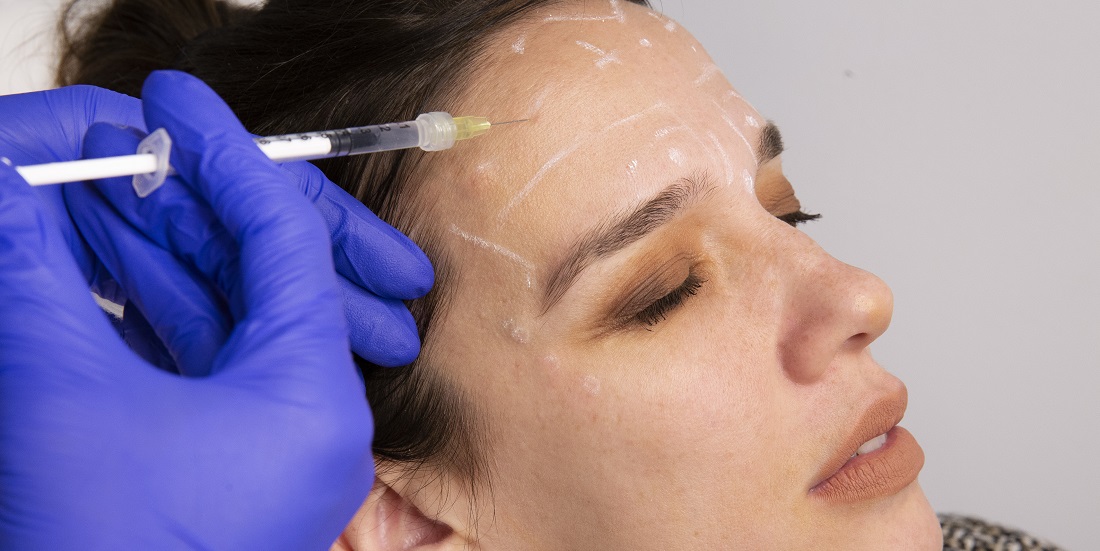
Intensive treatments for wrinkles caused by UV radiation
When creams and mild peels are no longer sufficient, more intensive facial treatments in Belgrade remain the most reliable solution.
- Laser treatments directly affect the water and pigment in the skin. The fractional CO2 laser creates dense networks of microchannels in the dermis. This way, it removes damaged cells and triggers intense regeneration. The skin becomes firmer, more even, and wrinkles appear softer and shallower.
- Volnewmer uses monopolar radiofrequency waves for deep, controlled heating of the dermis. This stimulates collagen, lifts contours, and improves skin texture. The treatment usually doesn’t require interruption of daily activities, and the effects last for months. Most importantly, the Volnewmer laser is soon coming exclusively to the most advanced aesthetic clinics in Belgrade, making it easily accessible to everyone in need. This approach strengthens the skin structure in the long term. As a result, wrinkles caused by UV radiation become softer, shallower, and less noticeable.
- IPL uses intense pulsed light for spots, capillaries, and redness. At the same time, it gently warms the dermis and stimulates the formation of new collagen. Botulinum toxin relaxes the mimic muscles and reduces wrinkles during movement. This makes the face appear more rested, while keeping the expression natural and pleasant.
- Hyaluronic fillers injected into the face restore volume and soften shadows.
How to know which are the right treatments for UV radiation-induced wrinkles for you?
There is no one-size-fits-all treatment for those struggling with photoaging. In your thirties, the focus is on prevention and a gentle approach. Lower-strength chemical peels, microneedling, and tightening devices are often sufficient. On the other hand, in your forties, peels, lasers, and injections are more commonly combined, while after fifty, the focus shifts to firmness, deeper wrinkles, and more pronounced spots.
Skin type changes the details of the plan.
- Dry skin requires stronger hydration and gentler acids.
- Oily or combination skin tolerates certain protocols better but has its own challenges.
- Sensitive skin demands caution, longer breaks, and careful device selection.
First consultation and preparation for treatment
Preparing for the consultation makes the entire process easier. Bring a list of products you use long-term. Mention all medications, supplements in your diet, and previous facial treatments. Write down questions before the appointment to ensure you don’t forget anything. Ask which treatments are most effective for wrinkles caused by UV radiation in your case.

Ask the doctor to explain the number of sessions, expected results, and possible limitations. It is useful to check before-and-after photos, as well as the experiences of other patients. If you feel uncertain, a second opinion is certainly not a bad idea. The goal of the consultation is not a quick decision, but a clear plan that the entire body understands.
Post-treatment care and long-term strategy
The period after the treatment is just as important for the result as the procedure itself. Strict facial protection becomes an everyday habit. Hydration and gentle care help the skin recover without unnecessary irritation. The most common mistakes include tanning bed visits, skipping SPF, and returning too quickly to strong acids. The long-term strategy connects professional treatments, skincare routine, diet, and sleep. Antioxidants from food and supplements can support the skin but do not replace treatments when it comes to wrinkles caused by UV radiation. Recommended intervals between procedures typically follow the regeneration rhythm. Therefore, the plan should be sustainable, not too intense. If you want healthier skin, request a personalized approach that aligns with your habits and goals.