
How to recognize and treat dry eczema on the skin?
 +381 64 4184 444
Dry eczema is more than just ordinary dry skin. Redness, flaking, and intense itching disrupt daily life. People scratch, wake up at night, and feel ashamed of how their skin looks. Many wait a long time and try creams at random. Then the condition often becomes even worse. That is why it is better to recognize the first signs in time. This way, you can treat dry eczema on the skin more easily with a clear plan. For this reason, it is important to recognize the symptoms, possible causes, and practical steps that aesthetic clinics in Belgrade recommend for treating dry eczema. With proper home care and timely professional help, eczema does not have to become a major problem.
How to recognize dry eczema on the skin
Dry eczema looks different from ordinary dryness. The skin is not only tight but also becomes red or pink. Flakes, small sores, and scratch marks appear. The areas are often:
- hands
- elbow folds
- lower legs
- face
- eyelids
Itching may be mild but often becomes intense, especially at night. People then scratch their skin in their sleep and wake up tired. It is good to watch the color, borders, and texture of the changes. Dry eczema is not contagious and does not spread from person to person. However, persistent eczema affects self-confidence, relationships, and the workday. That is why it helps to notice the first changes early and ask for support.
Dry skin vs. dry eczema: what is the difference?
Dry skin and dry eczema do not look the same. For instance, dry skin feels tight, slightly rough, and sometimes flaky. However, there is no stronger redness or pronounced itching. People usually notice discomfort after showering or during winter. At those times, a cream quickly brings relief and the skin calms down.
With dry eczema, the picture looks different. Along with dryness, redness or pink patches appear. The itching is stronger and often wakes you at night. Most importantly, small wounds, thickened areas, and scratch marks develop. The changes last longer and return to the same spots.
Dry eczema on different parts of the body
Dry eczema most often appears on the arms and hands, because the skin there is exposed to water and chemicals. However, it can also occur on other parts of the body.
- On the hands, dry eczema shows as skin peeling and stinging when washing hands.
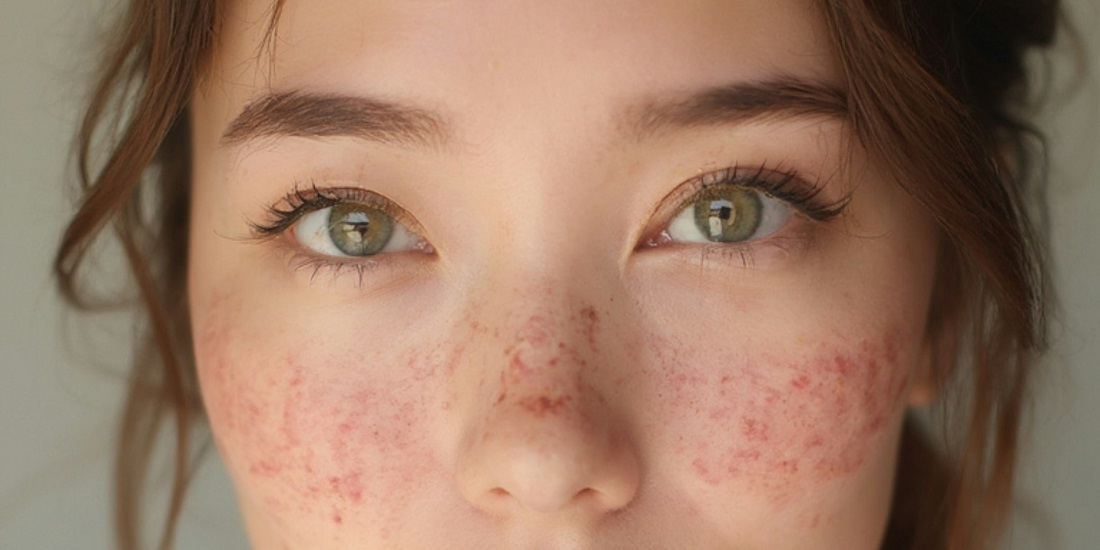
- On the face, especially around the eyes, the skin can be thin and sensitive. Then red patches appear that burn and itch.
- With dry eczema on the legs, especially the lower legs, dryness turns into thickened, rough areas.
- In some people, the changes affect several regions at the same time.
When the skin bleeds, hurts, or yellow crusts appear, the condition becomes more serious. At that point, home care is no longer enough.
Why dry eczema develops: triggers, genetics, and stress
Dry eczema develops due to a combination of several factors. Common triggers are:
- laundry detergents
- scented soaps
- cleaning products
- disinfectant gels
Dry indoor air further dries the skin, and cold air outside causes extra problems, so it is very important to protect the skin from the wind. In addition, synthetic clothing and wool directly on the skin increase friction.
Genetics also plays a role, since a tendency to eczema often appears in the family. Some people also have allergies or asthma. Stress does not create eczema on its own but can make it worse. People then scratch their skin more often and find it harder to stick to their care routine. The season also affects symptoms, so many people experience stronger eczema in winter.
How to treat dry eczema on the skin at home?
Gentle cleansing is the first step in treating dry eczema at home. Choose syndet cleansers without fragrance and strong colors. Take shorter showers with warm, not hot water. Avoid rough scrubbing with a sponge or towel. After getting out of the bath or shower, gently press the towel against the skin instead of rubbing.
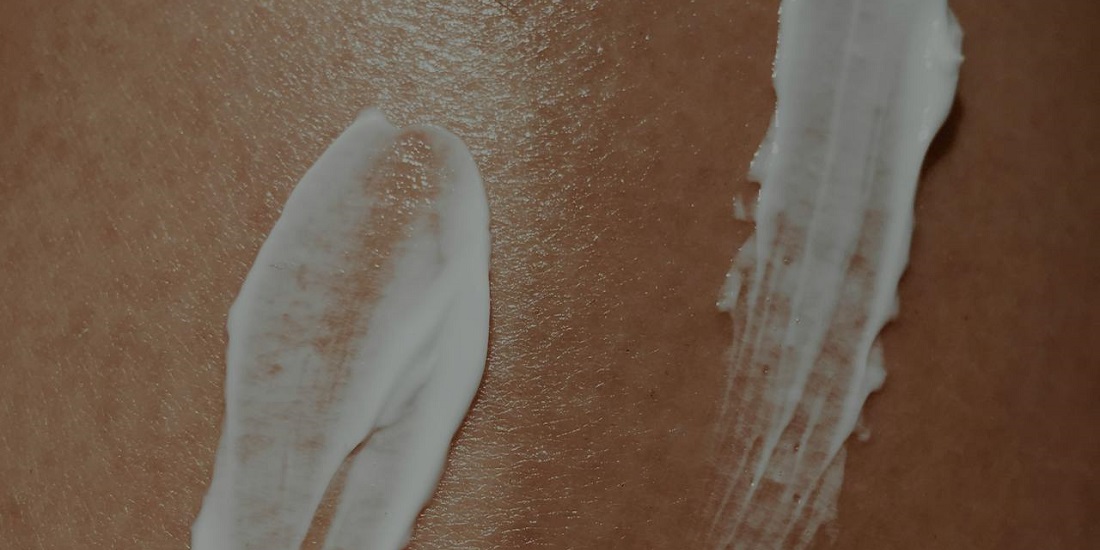
The second key step is hydration. Apply a rich moisturizing cream within a few minutes after bathing. Look for formulas with glycerin, urea in a lower concentration, and ceramides.
Protect your hands with gloves when you wash dishes or clean the bathroom. The most common mistake is occasional care only when eczema “flares up.” Skin responds well to routine, so consistency works better. That way, you can more easily treat dry eczema on the skin in the long term.
How to adjust showering and longer time in water
Keep showers to what you truly need. Some people feel good with one shower a day, others every other day. Your body and your own feeling should guide you. The water should be lukewarm, because hot water removes the protective layer.
After the pool, always take a shower and apply cream. The reason for timely care is that dryness and itching are common chlorine side effects. At the seaside, salt water can feel pleasant for a short time but later dries out the skin. That is why it helps to rinse the body with clean water and then apply a moisturizing cream. A day with proper and consistent post-bathing care brings calmer skin.
Diet, lifestyle, and special situations
In some people, dry eczema is related to food. Symptoms become worse after certain foods. In those cases, a food and symptom diary helps, but without excessive worry. You should not start strict diets on your own without professional supervision. A specialist can assess whether allergy testing makes sense.
In babies and small children, parents often notice eczema on the cheeks and skin folds. Gentle care, soft clothing, and mild detergents then make a big difference. Stress and lack of sleep further weaken the skin barrier. Short relaxation routines before bedtime can reduce itching and scratching at night.
When should you contact a specialist who knows how to treat dry eczema on the skin?
You should involve a specialist when home care no longer helps. Warning signs are:
- more intense redness
- skin cracking
- bleeding
- severe pain
Yellow crusts, swelling, or stronger burning can indicate an infection. During the examination, the specialist looks at your skin and asks about your habits and products. Sometimes they suggest tests, such as patch testing or allergy tests.
Based on the findings, a clear treatment and care plan is created. Moisturizing creams remain the foundation of every plan. In some phases, the specialist adds medical creams that reduce inflammation. Sometimes they also recommend medications for itching. The goal is for the skin to become calmer and more stable.
Long-term prevention is the right way to get rid of dry eczema for good
Everyday preventive steps are the best approach when dry eczema appears on the skin. The daily routine includes gentle cleansing, regular hydration, and hand protection. Seasonal adjustments, such as a humidifier in winter, help many people. Tracking triggers, whether in your mind or in short notes, makes planning easier. The most common mistake is giving up after the first better days. Skin with eczema still needs constant attention and patience. When you work with a specialist who knows how to treat dry eczema on the skin, the plan becomes realistic and achievable. Then it is easier to connect care, diet, and habits, and you protect both your skin and your overall feeling of health day by day.