
How poor posture affects breathing difficulty?
 +381 64 4184 444
Poor posture affects how we breathe, but people often don’t notice it right away. When the body slouches forward, the lungs have less space, and breathing becomes shallower. Sometimes, discomfort, mild tension in the neck, or the feeling that the breath is incomplete may occur. These changes seem minor, so people often attribute them to fatigue, a fast-paced day, or stress. However, small habits can easily disrupt the natural rhythm of breathing and create a sense that air isn’t flowing freely. Posture affects breathing difficulty, so the cause of breathing problems is simpler than it appears. This moment opens up space for a more mindful approach to the body.
How poor posture affects diaphragm and lung function
When the body slouches forward, the diaphragm doesn’t have enough space to move during inhalation. This causes the entire breathing rhythm to become shallower and faster. The lungs don’t expand evenly because the chest loses its open position. As a result, the air only enters the upper part of the lungs. People often feel this as mild pressure below the ribs, quicker fatigue, or a moment when the breath feels “shorter” than it should.

The body then naturally shifts breathing to the chest area, causing movements to become shallower and less efficient. This pattern easily creates the feeling that air is not flowing properly, even though there is no real issue with the lungs. When posture is corrected and the torso reopens, the diaphragm gains space. The breath then returns to its fuller, calmer form. For this reason, proper posture often immediately brings more ease to breathing.
How posture affects breathing difficulty?
When the day is spent sitting at a computer or looking at a phone, the body slowly adopts a position that doesn’t leave much room for a deep breath. The shoulders begin to drop, the neck tilts toward the screen, and the chest closes almost imperceptibly. This position is held for longer than we think, which is why the lungs cannot expand as they should. Therefore, shortness of breath or the feeling that the breath stops “halfway” often occurs during work.
A similar situation happens when the pelvis tilts backward, causing the lower back to curve, and the torso leans forward. The body then sends signals through a tense neck, quicker fatigue, and the sensation that air isn’t entering deeply enough. It all seems like a small thing, but these tiny habits most often disrupt the natural rhythm of breathing.
Additionally, sleeping position affect airway health. A pillow that is too high lifts the head higher than the neck can follow. This causes the airways to remain slightly closed throughout the night. Sleeping on the stomach further presses the diaphragm, making the breath shallower and restless. The best positions for easier breathing are lying on the back or side. The chest then remains open, and the body has stable support.
Where do we go wrong when trying to catch our breath?
When people try to improve their breathing through posture, they often overdo it.
- One of the most common mistakes is forcefully pulling the chest backward. This temporarily seems correct but actually tightens the muscles around the ribs and makes inhalation more difficult.
- A rigid posture where the entire body becomes too stiff, preventing the diaphragm from moving naturally, is another frequent mistake.
- Overly sucking in the stomach also creates a problem because this movement blocks the diaphragm from descending, causing the breath to remain shallow despite the effort.
- Many also try to correct their posture without strengthening the muscles that stabilize the spine, so the body quickly returns to its old position.
All of this leads to the same result: the breath remains short and insufficient because the movement of the diaphragm and chest doesn’t have a full range. When the approach softens and the body gets a stable and relaxed base, breathing returns to its natural, deeper rhythm.
Can poor posture affects breathing difficulty or dizziness?
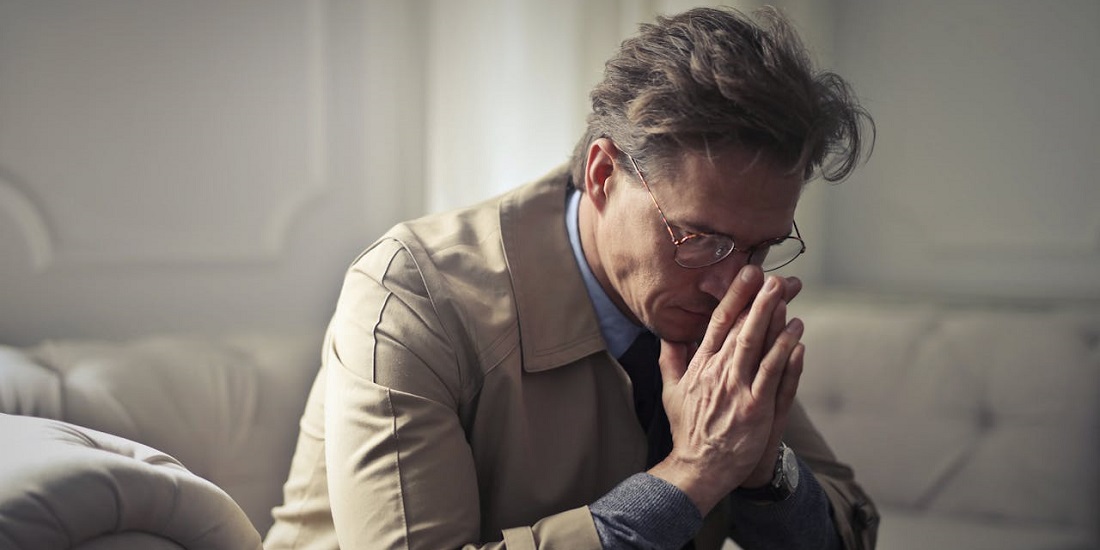
When the chest area is in a closed position for a long time, the muscles between the ribs become tight, leading to a feeling of pressure or mild constriction. It often feels as though the pressure is coming from the center of the chest, although it actually originates from the tense structures around it.
A similar situation occurs with the neck: when the head is constantly tilted forward, the neck muscles work harder than necessary and quickly become fatigued. This can lead to vertigo or the feeling that breathing is losing its rhythm. People often experience this with mild uncertainty, but the difference becomes clearer once the body is straightened a little.
When the cause is posture, the discomfort gradually decreases as soon as the chest opens and the neck assumes a more stable position. The breath then becomes fuller again, and the discomfort fades along with the tension in the surrounding muscles.
Muscle imbalance that hinders inhalation and exhalation
When the neck muscles are constantly tight, their fatigue affects the movements that accompany inhalation and exhalation, causing the breath to become faster and shallower. The body then uses these muscles more than naturally required, which creates additional tension and the feeling that you need to “catch your breath”. Weak back muscles further push the body forward, causing the chest to lose stability and the space needed to open. As a result, breathing shifts to the upper part of the chest, and each inhale becomes shallower.
When the chest muscles are shortened, the ribs are harder to lift, so even small movements of the breath feel restricted. People most often notice this as a moment when the breath doesn’t reach the stomach or when they feel strain during everyday activities. This pattern is easily recognized by a combination of:
- tense neck
- hunched shoulders
- the feeling that the breath lacks space
When muscle balance is restored, breathing quickly returns to its more natural rhythm.
When shortness of breath is attributed to posture, but is actually caused by anxiety
When the body is in a slouched position for a long time, the tension created by the neck, shoulders, and chest easily amplifies the feeling of discomfort in breathing. The shallow breath that comes from this position can resemble a moment when tension or mild anxiety occurs, because the body reacts similarly:
- the breath becomes short
- the muscles tense up
- anxiety may increase
This is why a person might think that shortness of breath is solely caused by posture, even though sometimes it’s a mix of physical tension and emotional stress.
The difference is most easily felt when the body is straightened and the breath is directed deeper into the stomach. If the breathing calms down as soon as the posture improves, the cause is generally in the posture. However, if tension remains despite proper posture, or if there’s a lump in the throat, it’s possible that the breath is influenced by the current level of stress or internal tension. This quick self-check often helps a person better understand what’s happening in their body and what they can do to regain a more stable rhythm.
Proper vs. improper posture and the difference in breathing
When the body is in an upright and open position, breathing becomes easier almost effortlessly.
- the chest has more space
- the shoulders naturally fall back
- the neck relaxes
- the diaphragm moves more freely
- and the breath reaches the lower part of the lungs more easily
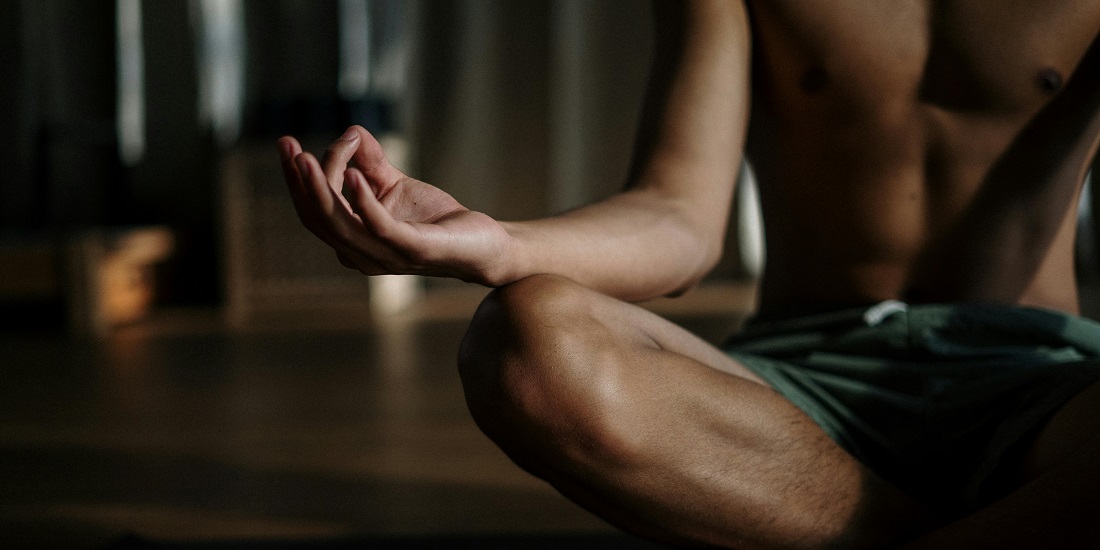
On the other hand, when the shoulders move forward and the torso drops, the space for inhalation decreases, and the breath remains shorter. People often notice that the air gets trapped in the upper part of the chest and that the breath can’t be as deep as they want. A simple self-check clearly shows this: as soon as the body is slightly lifted, the air flows more fully, and the discomfort fades. When this happens, it’s easy to conclude that posture played a bigger role than it seemed at first glance. Such a small change often brings much more ease to daily breathing.
Simple corrections that immediately ease breathing
Small posture corrections often bring relief with the first breath. When the shoulders are gently lifted and pulled back, the diaphragm gains more space to descend, and the entire width of the chest opens effortlessly. Sitting upright has a similar effect: the lower back gets more stable support, and pressure on the chest area is reduced. Many immediately feel the change through a deeper breath, slower breathing, and a lighter sensation in the upper body.
These habits are simple and can be applied during work, walking, or a short break — a moment is enough to lift the body, relax the shoulders, and return the neck to a neutral position. Progress is usually recognized by a more even breath and relief from neck and chest tension as soon as the body finds a more stable position.
Exercises that open the chest and deepen breathing
Exercises that open the chest area and strengthen the back can restore the body’s natural feeling of ease in breathing.
- When the muscles between the shoulder blades are strengthened, the shoulders remain more stable, allowing the chest to expand effortlessly.
- Gentle stretching of the chest muscles further frees up space around the ribs and allows the diaphragm to descend deeper with each breath.
- Diaphragmatic breathing is a simple breathing technique that restores rhythm to the lower lungs and helps the body transition from shallow to calmer breathing.
- Movements that relax the neck and shoulders affect the muscles that often take over breathing instead of the diaphragm, so the tension reduces after just a few repetitions.
When these exercises are combined into a short routine, the breath becomes deeper, and breathing remains more even throughout the day.
When to seek professional evaluation
Shortness of breath caused by poor posture usually subsides once the chest opens and the diaphragm has more space. However, discomfort that occurs even when the body is still may indicate a different problem. There are signs that suggest the airways may not be functioning optimally. These may include the following symptoms:
- chest pain that doesn’t improve with a change in position
- dizziness that recurs or suddenly intensifies
- quick fatigue and reduced breathing capacity
- the sensation that the breath “catches” or stops halfway
In these situations, an ENT examination provides the clearest insight into what exactly is disrupting breathing. When there are issues with the nose, sinuses, or septum, the body often shifts to a shallower breathing pattern, causing poor posture to quickly lead to the feeling of breathlessness. A detailed ENT examination reveals whether there is an anatomical or functional obstruction and whether breathing problems are exacerbated by the structure of the airways themselves.

You can have the examination at Dr Prlja Medical in Belgrade, where the condition of the upper airways is carefully evaluated. Once the true cause is identified, it is easier to create a plan that restores a more stable breathing rhythm and reduces discomfort during daily activities.
Notice how your posture affects breathing difficulty
When you understand how posture affects breathing difficulty, it’s easier to recognize moments when the breath becomes shorter or restless. The body often reacts to slight changes in position, so even a slight opening of the chest area can bring relief. These small corrections create space for the diaphragm to move more freely, and the breath becomes deeper and quieter. Consistency in these habits gradually leads to more stable breathing and a calmer rhythm throughout the day. It doesn’t take much effort — just a moment to notice how the body is standing, sitting, or moving. When that small pause and movement are made to restore support, the breathing often becomes immediately more comfortable. For this reason, it’s worth trying a simple change in posture today and seeing how the body responds to that gentle stimulus.