
Breathing techniques that can reduce snoring and sleep apnea
 +381 64 4184 444
Snoring and sleep apnea often disrupt rest and affect the health of the heart and airways. When breathing becomes irregular during sleep, the body doesn’t receive enough oxygen, leading to fatigue, irritability, and morning headaches. Breathing techniques can help relieve mild forms of these issues by improving airflow and strengthening the muscles that support the airways. In women, snoring occurs less often than in men, but it becomes more frequent with age, especially during hormonal changes. Regular practice of proper breathing can promote easier sleep and reduce body tension. However, in more severe cases of apnea, it’s important to seek professional evaluation and combine exercises with recommended therapies.
How breathing affects snoring and apnea
Breathing during sleep plays an important role in your rest quality and proper body function.
- If you breathe through your mouth, air passes through larger and less optimal pathways, which can cause vibrations of soft tissue in the throat and lead to snoring.
- When you breathe through your nose, nasal passages direct and humidify the air, reducing muscle tension in the neck area and helping maintain a steadier airflow.
- The tongue, soft palate, and lower jaw also influence this process. When these muscles relax during sleep, the tongue may slide backward and narrow the airway, producing the sound of snoring.
Nasal breathing helps prevent or ease this blockage since the airway remains more active and supports better airflow. When you breathe properly through the nose at night, the airways stay open and muscles less relaxed, reducing the risk of throat vibrations and breathing interruptions.
How to recognize that snoring is caused by improper breathing
Snoring can have many causes, but it often starts with irregular breathing during sleep. If you sleep with your mouth open and wake up with a dry mouth, you likely breathe through your mouth while sleeping. Such breathing dries out the mucous membrane, irritates the throat, and creates vibrations that lead to snoring.
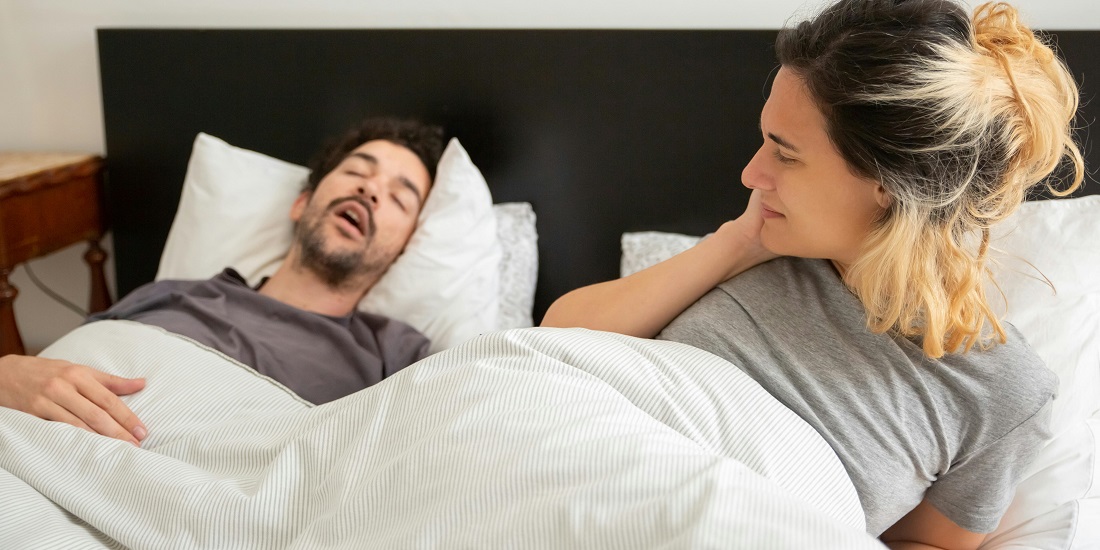
When the nose is blocked due to allergies or a cold, the body automatically switches to mouth breathing, which worsens the problem. For some people, the cause may be anatomical:
- a shorter jaw
- enlarged tonsils
- narrower airways
All these factors can further reduce the space through which air passes. If you are overweight, pressure on the neck muscles can make the situation worse. Observing how you breathe during the night can help identify the cause, but it’s not a definite indicator. If the problem occurs frequently, it’s best to consult a doctor to check for a more serious condition.
Habits that affect breathing problems
Breathing exercises seem simple, but many people make mistakes that reduce their effectiveness.
- The most common mistake is breathing too fast. When inhaling and exhaling too quickly, the body loses rhythm, and the nervous system remains tense instead of calming down. Breathing should be slower and more even, with the abdomen slightly expanding during inhalation.
- Another frequent mistake is physical tension. Some people tighten their shoulders, neck, or jaw during exercises, which blocks airflow and causes fatigue. The body should stay relaxed so the diaphragm can move freely.
- Lack of focus also weakens the effect of breathing exercises. Breathing requires attention and awareness of each inhale and exhale. When thoughts wander, breathing becomes shallow.
- Incorrect body posture can further hinder airflow. It’s best to sit upright, with an open chest and relaxed shoulders.
Start slowly, without forcing it. The quality of breathing matters more than the duration of the exercise because proper practice brings long-term results and a feeling of ease.
Breathing techniques that strengthen respiratory muscles
Breathing exercises can help strengthen the muscles of the tongue, jaw, and throat, which play an important role in keeping the airways open. When these muscles are weak, the soft palate and tongue relax more easily during sleep and can partially block airflow. This creates vibrations and leads to snoring. With regular breathing exercises, the muscles become stronger and better control the flow of air.
- Nasal breathing is the simplest and most effective way to reduce snoring. During the day, try to breathe consciously through your nose only. This strengthens the muscles of the nasal passages and promotes natural airflow regulation.
- Diaphragmatic breathing, which involves inhaling deeply from the abdomen, improves diaphragm function and increases lung capacity. It helps the body use oxygen more efficiently and maintain a steady breathing rhythm during sleep.
- A useful exercise involves gentle lip vibration during exhalation. Inhale through the nose, then exhale through slightly closed lips so they vibrate softly. This exercise strengthens exhalation control and maintains pressure in the airways, which reduces their collapse during sleep.
- Alternate-nostril breathing also helps balance airflow and calm the body. Results are usually noticeable after a few weeks of regular practice, but consistency is key — perform the exercises daily for at least five to ten minutes. Regularity strengthens the muscles and gradually reduces the frequency of snoring.
- In addition to basic techniques, it’s helpful to include simple oropharyngeal exercises that strengthen the tongue, palate, and throat walls. Close your mouth and press the tongue against the palate, then slowly pull it backward. This exercise prevents the tongue from falling back during sleep and blocking the airways. Practicing these movements regularly helps maintain stable, uninterrupted breathing at night.
Breathing techniques that relax the body before sleep
Evening breathing exercises can help the body relax and fall asleep more easily, especially if snoring causes high blood pressure. When breathing slows down, the parasympathetic nervous system activates, lowering blood pressure and heart rate. This signals the body that it’s time to rest.
- One of the best-known methods is the “4-7-8 breathing” technique. In this exercise, inhale through the nose for four seconds, hold your breath for seven seconds, and exhale for eight seconds. This rhythm aligns breathing with heart activity and calms the nervous system. Within minutes, muscle tension decreases, and a sense of calm appears.
- Another useful method is “box breathing.” Inhale for four seconds, hold for four seconds, exhale for four seconds, and pause again. This type of breathing balances oxygen and carbon dioxide levels in the blood, stabilizing brain function and promoting sleepiness.
- A gentle and soothing practice for the end of the day is humming breath. Inhale deeply through the nose, then exhale slowly with closed lips, making a soft “mmm” sound. The vibration during exhalation calms the nerves, opens nasal passages, and helps the body settle into a relaxed rhythm. This technique is especially helpful for those who have nasal breathing difficulties or tension in the neck.
Body position also affects breathing quality — sleeping on the side improves airflow and reduces pressure on the airways. Before sleep, it’s best to avoid screen light and noise, as a calm environment helps the body enter rest mode faster and achieve deeper sleep.
How much can breathing techniques help with apnea?
Breathing techniques can ease apnea symptoms but cannot fully replace medical therapy. In mild cases of apnea, where breathing briefly stops during sleep, breathing exercises can strengthen the muscles of the tongue and soft palate, reducing the frequency of airway blockages. For people with mild sleep apnea, the Buteyko breathing technique can be useful. This method involves slow, conscious nasal breathing with short pauses between inhalations and exhalations. It helps the body learn calmer breathing while stabilizing oxygen and carbon dioxide balance in the blood. The technique often reduces the number of breathing interruptions and feelings of suffocation during sleep. Regular practice improves breathing stability and helps the body adapt to a more natural rhythm.
However, in more severe forms of apnea—when breathing stops several times per night—it’s necessary to visit an ENT clinic in Belgrade and begin medical therapy, usually with a CPAP device. The CPAP maintains constant airway pressure to keep passages open. Combining therapy with breathing exercises yields the best results. While the CPAP prevents airway collapse mechanically, breathing exercises strengthen muscles and improve natural breathing control. They also reduce stress and help the body relax before sleep. Any changes in routine should be made under medical supervision, as a proper diagnosis determines how much exercises can aid treatment. Breathing thus becomes an important support to therapy but not its substitute.
When breathing techniques are not enough
In some cases, breathing exercises are not sufficient for complete treatment of snoring or apnea. You should see a specialist if you experience any of the following during the night:
- long pauses in breathing
- frequent awakenings
- feeling of choking
- headache and drowsiness after waking up
These symptoms indicate that the body isn’t getting enough oxygen during sleep, which can affect heart function, blood pressure, and daytime concentration. At our clinic, Dr Prlja Medical in Belgrade, a detailed ENT examination can help determine the exact cause of breathing problems during sleep. After evaluation, a diagnostic sleep test—known as polysomnography—may be recommended. This test monitors breathing, heart rate, eye movements, and oxygen levels during sleep. Based on the results, it’s possible to determine whether the condition is mild, moderate, or severe apnea.

In more severe cases, treatment may include a CPAP device, which keeps the airways open under gentle pressure. In some situations, oral appliances that reposition the jaw are also used to improve airflow. Breathing exercises can be part of a broader therapy but do not replace professional evaluation and medical support. The right approach combines therapy, lifestyle changes, and regular check-ups. Such a method provides longer-lasting and safer results.
Better sleep through proper breathing
Breathing techniques can become a gentle and natural way to restore peaceful sleep. When breathing slows and becomes rhythmic, the body relaxes, and the brain receives more oxygen. This balance helps reduce snoring and improve sleep quality, especially in mild cases of apnea. Every exercise, no matter how short, contributes to better control of respiratory muscles and a calmer nervous system. Regular practice brings gradual but lasting results — sleep becomes deeper, and awakenings less frequent. Devoting just a few minutes daily to these simple techniques helps your body quickly adapt to a new rhythm of rest.