
How to open up your eyes: Eyelid surgery or Botox?
 +381 64 4184 444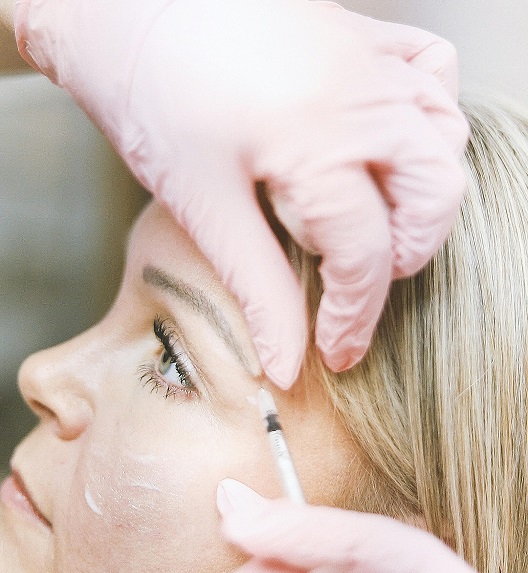
As we age, the skin around the eyes gradually loses elasticity, which can lead to drooping eyelids and excess skin. These issues are not only aesthetic but can also interfere with daily activities such as reading or driving. Droopy eyelids can make us look tired and, in some cases, may even reduce the field of vision. In such situations, eyelid surgery or Botox can be a solution. Each of these options has its own advantages, as well as differences that should be considered. Deciding which treatment is right for you can be challenging, but with a consultation from an experienced aesthetic surgery specialist, the right choice can help you open up your eyes and regain confidence.
Why does the skin around the eyes lose elasticity?
As we age, the body slows down the production of key proteins responsible for the skin’s elasticity, firmness, and regeneration. This process is natural, but certain habits can accelerate skin aging, such as:
- exposure to UV radiation
- spending time in highly polluted environments
- poor dietary habits
- smoking
- improper hydration
Because the skin around the eyes is thinner, it shows these changes earlier than other parts of the face. These changes make the skin less resistant to gravity, leading to sagging and drooping eyelids. On the eyelids, where the skin is already thin, excess skin becomes visible, resulting in drooping. This excess skin can cause the upper eyelid to cover the eyelashes, making the eyes appear smaller and the gaze less open.
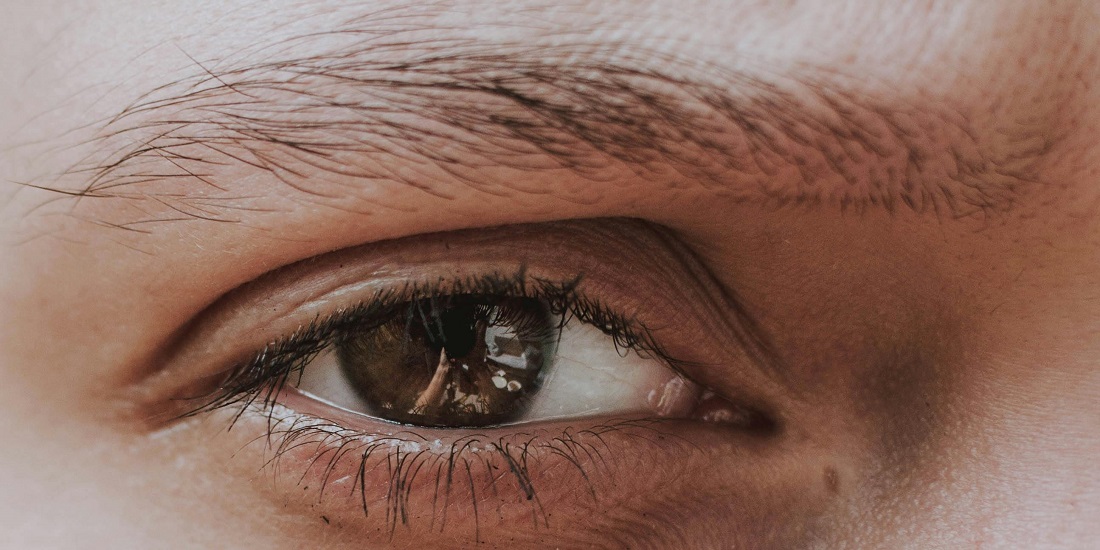
In the early stages, excess skin can cause fine lines that result from reduced elasticity. As the skin continues to loosen over time, these lines may deepen and gradually develop into wrinkles. These changes affect not only appearance but also self-image, as many people become aware that they look more tired than they actually feel.
Functional problems: Reduced field of vision
Excess skin on the upper eyelids affects not only appearance but can also have a significant functional impact. Drooping skin may cover part of the visual field, reducing a person’s ability to see clearly, especially in the upper areas of peripheral vision. In some cases, this excess skin can interfere with everyday activities such as reading, driving, or even performing simple tasks.
Since the eyelids are responsible for protecting the eyes, excess skin can cause additional strain on the eye muscles and lead to headaches due to an improper eye position. People with more severe cases of drooping eyelids may notice that they have to raise their eyebrows to see better, which creates tension in the forehead and neck. Facial treatments, such as eyelid surgery or Botox, can help not only improve appearance but also reduce this tension and discomfort, enhancing overall eye health and facial muscle function.
Botox: One of the most well-known facial treatments
Botox is one of the most popular non-surgical procedures in aesthetic medicine, used to remove wrinkles, fine lines, and sagging skin around the eyes. This treatment is particularly effective in wrinkle removal caused by muscle contractions, such as crow’s feet.
Although Botox is not a solution for excess skin, it can significantly refresh the appearance, providing a more youthful look without surgery. Benefits of Botox:
- Quick results: Facial Botox delivers visible results within 3 to 5 days. It is an excellent choice for those who want fast improvements without waiting long for results.
- Minimal recovery: One of the main advantages of Botox is that the procedure is practically painless and requires minimal downtime. You can immediately return to your daily routine, as no extended recovery is needed.
- Affordability: Botox is much more affordable than surgical procedures, making it a convenient option for those who want to refresh their appearance.
Botox does not affect excess skin but relaxes the muscles that cause wrinkles. It is often used as an anti-aging prevention method, ideal for people in their 30s who want to delay the appearance of wrinkles. However, if there is a significant amount of excess skin on the eyelids, Botox will not be sufficient, and blepharoplasty—eyelid surgery—would be a better solution.
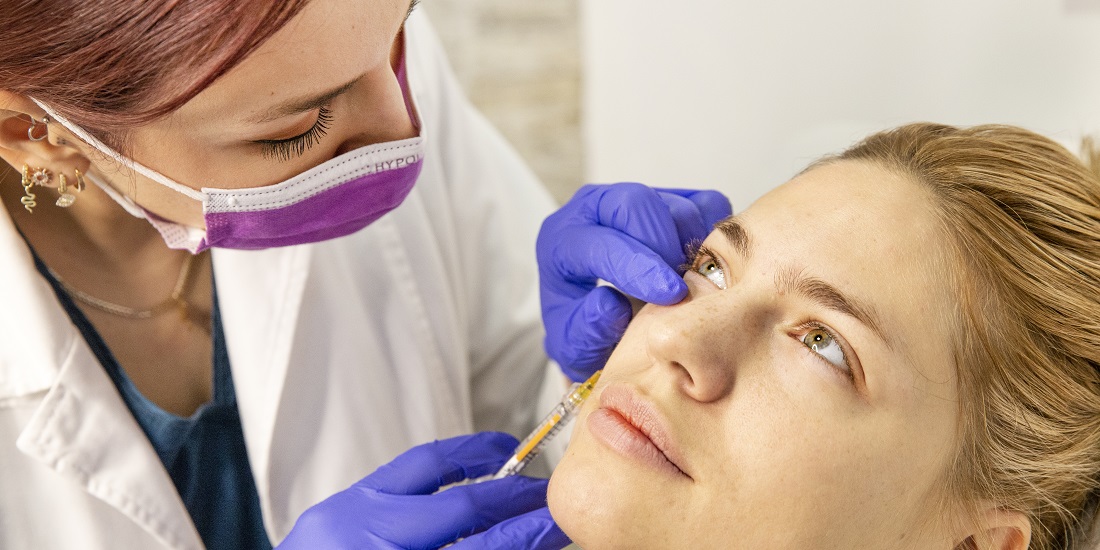
When is eyelid surgery necessary?
Although eyelid surgery can bring significant aesthetic improvements, there are specific situations where this surgical procedure becomes truly necessary. When excess skin or fat on the eyelids begins to interfere with daily life—not only aesthetically but also functionally—eyelid surgery becomes an essential step toward improving quality of life. Blepharoplasty is recommended for individuals over 40 who already have excess skin on the eyelids. Here’s when this treatment is necessary:
- When drooping eyelids affect the field of vision and daily activities: If sagging eyelids begin to interfere with peripheral vision, eyelid surgery is necessary. Excess skin can block the upper part of the visual field, reducing clarity of vision, which goes beyond a cosmetic issue and requires a surgical solution.
- When drooping eyelids cause discomfort or pain: If the eyelids become heavy and lead to discomfort, irritation, or pain, it’s a clear sign that blepharoplasty is necessary. Drooping eyelids can strain the forehead and neck muscles, often resulting in headaches or tension.
- When non-surgical treatments do not provide desired results: If you have tried non-surgical options such as Botox or hyaluronic facial treatments but haven’t achieved long-term results, eyelid surgery becomes necessary.
Eyelid surgery or Botox for long-term results?
Eyelid surgery (blepharoplasty) provides long-lasting results by removing excess skin and fat from the eyelids, making the eyes appear larger and more refreshed. The effects typically last between 5 and 10 years, although natural skin aging continues to influence appearance. However, the excess skin will not reappear.
On the other hand, Botox offers temporary results that last between 3 and 6 months. It relaxes the muscles around the eyes, reducing the appearance of wrinkles but not affecting excess skin. While Botox itself does not cause skin sagging, excessive use can make the skin appear looser once the effects wear off. For optimal results, Botox treatments need to be repeated, while blepharoplasty provides lasting changes in eyelid appearance, though it cannot stop the natural aging process. Both treatments are effective but deliver different long-term outcomes.
Combining Botox with eyelid surgery for optimal results
Combining Botox and blepharoplasty (eyelid surgery) is becoming an increasingly popular approach in aesthetic medicine. These two procedures address different but complementary aspects of aging and the condition of the skin around the eyes.
While Botox effectively reduces the appearance of wrinkles and fine lines, blepharoplasty targets issues with excess skin and fat tissue on the eyelids. In many cases, combining these two treatments can deliver optimal results that not only enhance appearance but also improve the functionality of the eyes.
What is the correct order if you decide to combine these two procedures?
In most cases, blepharoplasty is performed before Botox. The surgery removes excess skin and fat tissue, creating a cleaner foundation for Botox application. Once the patient has recovered from the surgery (usually after 1–2 weeks), Botox can be administered to smooth out fine lines around the eyes.

When both procedures are performed at appropriate intervals, they can achieve natural, long-lasting results. Botox is used to relax the muscles that cause wrinkles, while blepharoplasty permanently resolves the problem of excess skin. This combination of facial treatments delivers the best results, restoring freshness and improving eyelid functionality.
When to avoid combining Botox and blepharoplasty?
Although the combination of Botox and blepharoplasty is highly effective for many patients, there are certain cases where it is not recommended. For example:
- Severe eye damage or inflammation. If a patient has eye conditions such as glaucoma, dry eyes, or other ocular diseases, eyelid surgery and Botox may be contraindicated.
- Recovery from other surgical procedures. If the patient has recently undergone other aesthetic or surgical treatments, the doctor may advise waiting a few months before combining these procedures.
- Active infection or inflammation on the face. If the patient has active skin infections, inflammation, or irritation around the eyes, it is recommended to wait until full recovery. Otherwise, there is a risk of spreading infection or causing scarring.
- Allergies or sensitivity to treatment ingredients. If the patient has known allergies to botulinum toxin (the active substance in Botox) or other ingredients used during the procedure, this combination may trigger severe allergic reactions. It is advised to perform an allergy test before proceeding.
- Pregnancy and breastfeeding. Many experts recommend avoiding aesthetic procedures during this period.
Which treatment is better for you: Eyelid surgery or Botox?
Choosing between eyelid surgery or Botox depends on your specific goals and needs. If you want long-term results and are dealing with excess skin that affects the appearance and functionality of your eyelids, eyelid surgery may be the best solution. On the other hand, if you prefer a quicker and temporary improvement without invasive procedures, Botox is an ideal choice. Consult a specialist who can help you make the best decision based on your health, skin type, and desired results.