
Seasonal guide: Which facial treatments are recommended in autumn?
 +381 64 4184 444
Autumn is a period when the skin changes under the influence of colder air and wind. After warm days, the complexion often looks tired, dehydrated, and with more visible imperfections. That is why many people turn to professional methods that restore and refresh the face. During this season, the skin is less exposed to strong sunlight, so now is the right time for safer and more effective procedures. Chemical peels, laser treatments, and other procedures help remove damage caused during summer. The results are a more even skin tone, better texture, and a refreshed appearance. These facial treatments are recommended in autumn because the skin benefits the most at this time. With the right choice of procedures, the face adapts more easily to the new season and gains a healthier look.
Autumn routine and basic care
Skin loses moisture during hot days and sun exposure, while wind and cold air cause further damage. That is why hydration is essential if you want to strengthen the skin barrier and microbiome during transitional seasons. Before treatments, include the following ingredients in your skincare:
- Ceramides are lipids that form the skin’s protective layer; they prevent water loss and save skin from dryness.
- Hyaluronic acid binds moisture and makes skin plumper and softer.
- Peptides stimulate collagen production and help skin regeneration, reducing fine lines and supporting the barrier.
- SPF remains essential in autumn, as UV radiation penetrates clouds and worsens pigmentation and summer damage. Sunscreen protects the skin and allows treatments to work without extra harm.
- Gentle home peels with AHA or BHA acids remove dead cells, improve texture, and prepare skin for professional procedures. AHAs (like lactic, glycolic) act on the surface, while BHAs (salicylic) penetrate deeper and cleanse pores.
- Natural masks with honey, oatmeal, or plant oils soothe and nourish the skin. They provide moisture and antioxidants without aggression, ideal between professional treatments.

Professional facial treatments in autumn: Why are they necessary?
When UV radiation weakens, professional facial treatments work under better conditions with minimal risk of pigmentation and irritation. At that time, the epidermis is more prepared for interventions that remove sun damage and stimulate regeneration. The most common reasons why people choose professional procedures in autumn are:
- reducing spots
- restoring skin radiance
- reducing wrinkles
When the UV index starts to drop and the temperature becomes moderate, which usually means the end of summer or the beginning of autumn, it is important to consult a specialist at one of the aesthetic clinics in Belgrade. During this period, treatments are effective.
Chemical peel is an excellent choice for a refreshed look in autumn
The role of a chemical peel in autumn supports the skin in several medically proven ways. It removes the surface layer of the epidermis exposed to UV damage during summer — microdamage, dark spots, and uneven texture. Chemical peels stimulate the formation of new, healthier skin with more even pigmentation. Stronger peels encourage fibroblasts to produce more collagen and elastin, reducing fine lines and improving skin elasticity.
- Milder peels can be performed more often, with relatively short recovery and little interruption of daily activities. Redness and dryness may last 1–2 days.
- Stronger treatments provide more intense effects but also require longer healing, with redness, peeling, and increased sun protection. The skin usually recovers in about 5–7 days, sometimes longer
The frequency of chemical peels depends on their strength and the current skin condition. Lighter peels can be repeated every 1–2 weeks, while stronger ones require a break of 4–6 weeks. Autumn is the best time for deeper peels, as sun radiation is weaker and the risk of new pigmentation is lower.
Laser facial treatments are recommended in autumn due to faster skin recovery
Laser facial treatments in autumn offer numerous medical benefits. Autumn provides ideal conditions because sun exposure is milder. The laser works by emitting light that is selectively absorbed by dark pigment cells (melanin) or by tissue that needs tightening. This stimulates fibroblasts in the dermis to produce more collagen and elastin. The result is reduced visible spots, a more even skin tone, and firmer skin.
The recovery time depends on the type of laser. Non-ablative lasers require little to no downtime, while ablative lasers, such as CO2 laser or erbium, can cause redness, swelling, and peeling that last around 5–7 days. The results of pigmentation laser treatments are often visible after the first or second session, but for full effect, it is usually necessary to undergo 2 to 4 treatments spaced 3–4 weeks apart, depending on the depth and type of pigmentation.
Mesotherapy for restoring hydration and glow after summer
Mesotherapy in autumn provides exceptional benefits for the skin, as it recovers more effectively during this season. This procedure involves microinjections of a cocktail of vitamins, minerals, hyaluronic acid, and other active substances into the middle layer of the skin, where creams and serums cannot reach. Delivering these substances stimulates fibroblasts, resulting in improved skin texture, increased elasticity, and stronger hydration.
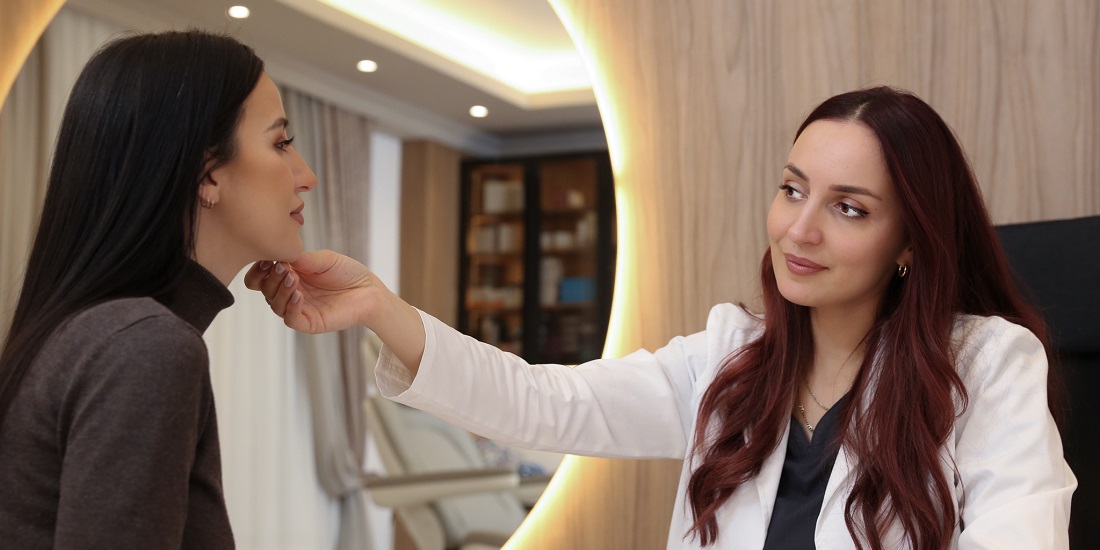
After summer, facial mesotherapy restores skin hydration, reduces fine lines, and helps achieve an even complexion. Usually, a series of 3–5 treatments is required, spaced 2–4 weeks apart. The first results can be seen after the initial session, while full effects become visible after completing the series. Mesotherapy can be combined with microneedling or PRP to further enhance skin regeneration in autumn.
Why are hyaluronic fillers recommended in autumn?
Hyaluronic fillers are an excellent option in autumn because the risk of hyperpigmentation and irritation is lower. These fillers consist of injections of hyaluronic acid, which restore volume, smooth wrinkles, and deeply hydrate the skin. Hyaluronic acid attracts and retains water in the dermis, improving elasticity and firmness. In autumn, when the skin is often dehydrated after summer, hyaluronic fillers deliver quick and precise results:
- more balanced appearance
- filled nasolabial folds
- better cheekbone definition
- fuller lips
The effects usually last 6–12 months, depending on the area and type of filler. Minimal recovery allows a return to daily activities almost immediately. Combining fillers with mesotherapy or microneedling can further enhance skin regeneration during autumn.
Deeper skin renewal with microneedling and PRP
Microneedling uses tiny needles to create controlled micro-injuries in the skin. This process triggers the body’s natural response, resulting in skin regeneration. In autumn, the procedure is safer and more effective, with the first results visible within 7–10 days as slightly improved texture, while optimal effects appear in the next 3–4 weeks depending on frequency. Typically, a series of 3 to 6 treatments is performed, spaced 2–4 weeks apart, followed by maintenance.
PRP (“vampire facial”) uses the patient’s own platelet-rich plasma. Platelets and growth factors stimulate tissue regeneration — accelerating healing, boosting collagen and elastin production, and improving hydration and skin texture. In autumn, when external stressors are weaker, PRP can act more deeply with less risk of inflammation and pigmentation changes. The results of a PRP facial treatment include:
- improved skin firmness
- reduced wrinkles
- even skin tone
- subtle radiance
The recommended number of sessions varies. Often, 2–4 treatments with 3–4 week intervals are needed for more significant and lasting results. The advantages of this combination of facial treatments are multiple: microneedling creates microchannels that allow PRP to penetrate the skin more effectively, enhancing regenerative processes. This accelerates renewal, reduces wrinkles and scars, and makes the skin firmer with minimal side effects.
Support for facial skin against pigmentation in autumn
After professional skincare, additional support is needed. Autumn is the ideal time to introduce active ingredients into daily routines that help the skin maintain results and prevent new spots. With reduced sunlight, the risk of new pigmentation decreases, allowing the skin to respond better to this combination. The most commonly used ingredients are:
- Vitamin C – a powerful antioxidant that blocks enzymes involved in melanogenesis and protects cells from oxidative stress. In consultation with a specialist, it can be used once redness subsides.
- Niacinamide – reduces inflammation and prevents melanin transfer to the skin’s surface, improving skin tone.
- Skin care with retinol – accelerates epidermal cell renewal and stimulates collagen production, making spots less visible and skin smoother. It is advised only after the skin has recovered from treatments.
The combination of these ingredients with chemical peels or laser treatments under professional supervision provides optimal results. In this way, the skin in autumn receives regeneration from treatments and long-term support from carefully chosen active serums.
How to choose the right facial treatment?
The choice of the right treatment depends on several factors:
- Oily and acne-prone skin responds better to procedures that reduce inflammation and deeply cleanse pores.
- Dry and sensitive skin irritates more easily, so it benefits from gentler methods focused on hydration and soothing.
- Mature skin usually requires procedures that stimulate collagen production and restore elasticity, while younger skin is often treated with lighter and more frequent procedures.
People with skin conditions such as herpes or psoriasis, patients with autoimmune diseases, pregnant and breastfeeding women, as well as those taking photosensitive medications, should avoid certain procedures or postpone them
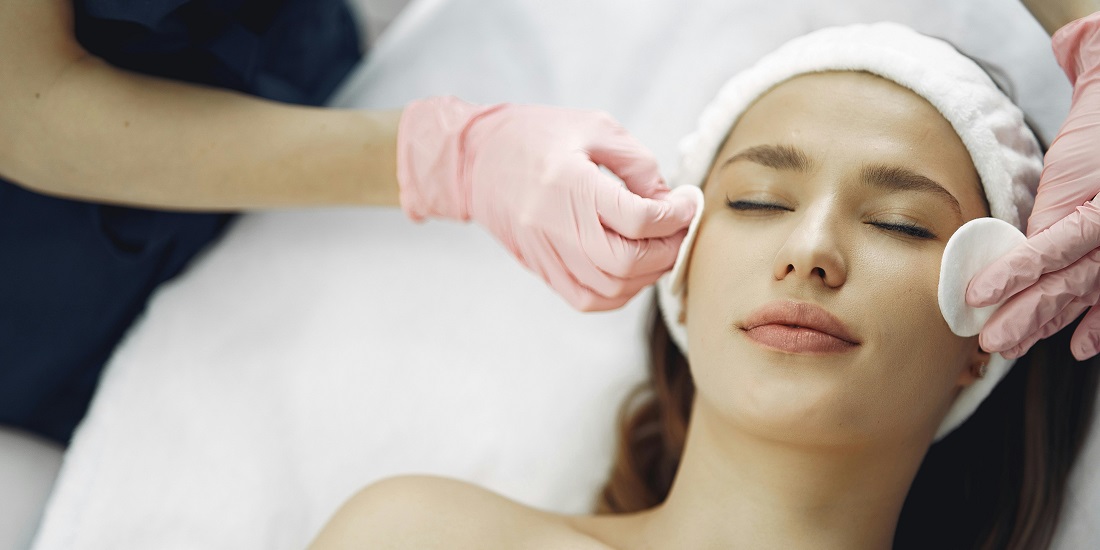
Home care can be a good addition, but it cannot replace professional treatments when dealing with pronounced pigmentation, wrinkles, or scars. The advantages of expert methods lie in advanced equipment and stronger active ingredients, which deliver faster and longer-lasting results
Professional procedures as the best support for skin in autumn
After months of sun and heat exposure, the face often shows signs of fatigue, pigmentation, or dryness. For this reason, professional facial treatments are recommended in autumn as the most effective way to restore a healthy and well-cared-for look. Chemical peels, laser procedures, microneedling, and other hydrating methods enable deeper regeneration and deliver longer-lasting results. Lower UV radiation during this season further reduces the risk of unwanted reactions and increases the effectiveness of these methods, making it the right time to consult a specialist who can assess your skin and suggest the most suitable procedure.