
Flexible endoscopy of the nose and nasopharynx
 +381 64 4184 444
Flexible endoscopy of the nose and nasopharynx is a modern diagnostic method that provides a detailed view of nasal structures and the posterior pharyngeal region, areas not accessible with standard examinations. At Dr Prlja Medical in Belgrade, the procedure is performed with expertise and care, with your health and comfort as our top priorities. If you experience breathing difficulties, frequent infections, or suspect a more serious condition, nasal endoscopy is the right way to obtain a clear diagnosis. Book your appointment at our clinic today!

Nasal endoscopy at Dr Prlja Medical: A reliable and quick way to check your health
Our ENT clinic in Belgrade offers a precise, fast, and comfortable examination of the posterior nasal area and the upper pharynx (nasopharynx) using an endoscope, without disturbing the natural position of the structures, including their movements during:
- swallowing
- breathing
- speaking
The examination usually takes only a few minutes and is performed while the patient is awake. This endoscopic examination is simple and quick, even in people with a strong reflex. The feeling of discomfort is minimal. The method provides accurate information because no forced positioning is applied, and the doctor gains insight into the moving structures in their natural state.
When is this examination recommended?
Flexible endoscopy of the nose and nasopharynx is recommended in cases where classical rhinoscopy cannot provide enough information about the posterior parts of the nose and throat.
- It is particularly important in adult patients when there is suspicion of enlarged adenoids, a condition often overlooked during routine examinations. In such cases, third tonsil surgery may be necessary, but timely diagnosis can allow earlier treatment and, in some situations, reduce the need for surgical intervention.
- This examination is also very useful for individuals with frequent ear infections, as it enables a detailed assessment of the Eustachian tube opening and helps identify potential obstructions affecting middle ear ventilation.
- It is advised for patients who have persistent stuffy nose without a cold, as the doctor can precisely determine the cause of the problem and suggest appropriate treatment.
- The examination is also valuable for individuals with breathing difficulties during sleep, especially when loud snoring or sleep apnea is present.
- If there is a suspicion of tumors or nasal polyps in the nose or nasopharynx, this method allows early detection and timely therapy.
Our medical team approaches every patient with care and understanding, ensuring accurate diagnosis and a sense of security throughout the entire process.
What should you know before the examination and how to prepare?
Flexible endoscopy of the nose and nasopharynx usually does not require special preparation. Any specific recommendations are given by the doctor depending on the patient’s health condition. The procedure is safe and generally well tolerated. In patients with a strong gag reflex, a local anesthetic spray may be used to reduce discomfort. The most common reactions may include:
- short-term burning sensation
- watery eyes
- mild bleeding, especially in sensitive mucosa
Serious complications are very rare, but the examination is postponed if there is an acute infection or significant blood clotting disorders.
What does nasal endoscopy look like at Dr Prlja Medical
Flexible endoscopy of the nose and nasopharynx is performed while the patient is seated. Before the examination, a spray is applied into the nasal cavity to reduce mucosal swelling, and if needed, it contains a local anesthetic to increase comfort.
The endoscope, a thin and flexible instrument with a camera and light source, is carefully inserted through one nostril. During the passage, the nasal septum, turbinates, and the posterior part of the nose are visualized. Special attention is given to the nasopharynx, the opening of the Eustachian tube, and the region known as Rosenmüller’s fossa, as these areas are difficult to access with standard examinations.
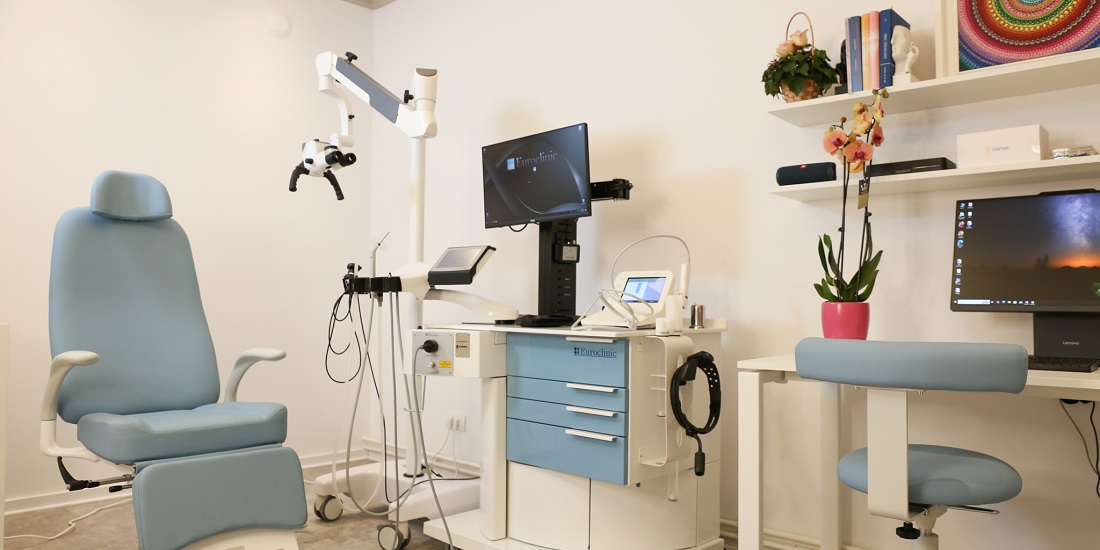
The examination also includes a dynamic assessment. During the procedure, the doctor observes the movements of the soft palate and the function of the Eustachian tube. That way, they get insight into the function of anatomical structures in real conditions. The image is transmitted to a high-resolution monitor, and photographic documentation or video recording can be made if necessary.
What to expect after the examination
After flexible nasal and nasopharyngeal endoscopy, daily activities can be resumed almost immediately. If a local anesthetic spray was used, it is advised to wait a short time before eating or drinking to avoid discomfort while swallowing. Driving or other usual activities are not restricted, except in rare cases when the doctor recommends a short rest.
Additional examinations and therapies: Your doctor will advise you best
Interpretation of the findings begins immediately after the examination. When the nasal and nasopharyngeal mucosa are normal, a pink color without significant swelling, secretions, or pathological masses is recorded. The opening of the Eustachian tube is free, and during swallowing, its proper opening can be observed.
On the other hand, there are several warning signs that should not be ignored if they appear in the findings after nasal endoscopy.
Chronic changes of the mucosa and inflammatory processes
If chronic changes are observed, such as thickened or pale mucosa, the presence of secretions in the nasopharynx, or limited opening of the Eustachian tube, the doctor may recommend further tests. These can include:
- microbiological swabs to detect bacterial or fungal infections
- allergy testing when allergic rhinitis is suspected
- radiological diagnostics (sinus ultrasound, MRI of the nasopharynx) for a more precise assessment of the affected structures
Tumorous, polypoid, or adenoid masses in adults
A tissue biopsy for histopathological analysis is always advised when the examination reveals:
- adenoid growths in adults
- polypoid masses
- suspicious tumor changes
Depending on the results, the patient is referred to an ENT surgeon, oncologist, or another subspecialist team. In cases of pronounced polyps or structural obstructions of the airways, endoscopic surgical intervention (FESS) is recommended.
Eustachian tube function disorders
In cases of Eustachian tube dysfunction, when signs of secretion retention or swelling that prevents middle ear ventilation are observed, additional tests may be suggested, such as:
- audiometry
- tympanometry
- Eustachian tube ventilation function test
- assessment of outer hair cell function in the cochlea (OAE)
For patients with pronounced symptoms, drug therapy (decongestants, corticosteroid sprays, antihistamines) is often recommended, along with a scheduled follow-up nasal examination to monitor the effectiveness of the prescribed treatment.
Flexible nasal endoscopy helps preserve health
Nasal endoscopy is a reliable and modern method that enables the detection and monitoring of conditions often overlooked during standard examinations. This procedure provides accurate and detailed information about the nasal cavity and nasopharynx. It, therefore, ensures timely diagnosis and an appropriate treatment plan. At Dr Prlja Medical in Belgrade, the examination is performed by an experienced ENT team using modern technology and digital records. Endoscopic exam of the nose at our clinic is the ideal choice for anyone seeking precise diagnostics and safety in therapeutic care. Book your appointment today and improve your health.
Achieve flawless results with personalized treatments that highlight your natural beauty.
Frequently Asked Questions and Answers
Can flexible nasal endoscopy be performed in children?
Yes, the examination can be performed in children, especially when enlarged adenoids, frequent ear infections, or persistent nasal blockage are suspected. The procedure is adapted to age and is usually well tolerated.
Can nasal endoscopy be repeated several times in a short period?
Yes, because it is a safe procedure. For patients with chronic problems, it is often used to monitor the effect of therapy or for postoperative follow-up.
Can flexible nasal endoscopy detect allergic changes?
The examination itself does not confirm allergy, but the doctor can notice signs of allergic rhinitis, such as pale and swollen mucosa. Allergy tests are then recommended.
Can nasal endoscopy replace radiological diagnostics?
Not completely. The examination provides a detailed view of the mucosa and anatomy, but for deeper structures and precise sinus evaluation, CT or MRI is often recommended.
Can the examination be done if the patient has a cold or flu?
No, the examination is postponed until the acute infection subsides, since inflamed and swollen mucosa can make the procedure more difficult.
Can flexible nasal endoscopy help with recurrent sinus infections?
Yes, the examination allows a detailed view of the nasal passages and sinus openings, which helps identify the cause of repeated infections and determine the treatment plan.
Experiences of those who chose us
My experience with Sara was actually my first treatment ever. I had always been skeptical until I met her through a mutual friend. All it took was seeing her flawless skin to completely trust her. Not only does she maintain a natural look, which I really appreciate, with minimal corrections, but she’s also a wonderful friend and, when needed, a great therapist. I always leave her office feeling satisfied and smiling. P.S. She’s the only one who managed to solve my under-eye bags!
-Ksenija Knezevic
Singer
I met Sara a few years ago, and after the first treatment, I was certain – this woman knows what she's doing! I trust her completely, and I love her approach, honesty, and directness. There’s no exaggeration or unnatural looks – just a refreshed, rested, and natural appearance. We always have so much fun, laughing, while also enhancing our beauty. After seeing Sara, I look like I’ve just returned from the best vacation!
-Matea Milosavljevic
Actress
I have known Sara Prlja for more than 15 years, and I can say that everything she envisioned, she has achieved. She has always worked on herself, invested in her knowledge and growth. Her clinic is the perfect place where you will feel comfortable and relaxed, and the service is top-notch. I highly recommend her and her work!

-Aleksandar Dramicanin
Hair & Makeup Artist
Love, trust, and respect are the foundation of every strong and lasting relationship, whether personal or professional. From a medical perspective, we know how essential support is in any healing process, but for me, the relationship between a doctor and a patient is one where trust is especially important. I have complete trust in Sara and always feel confident that everything will be okay. That trust creates a sense of safety and allows real progress, while care and connection give us the space to grow together. I have never viewed my relationship with Sara as just professional, because every time I visit the clinic, it feels more like coming to people I trust and feel close to rather than simply working with a provider. That is the X factor that makes this experience truly valuable to me.

-Nataša Kovačević Njezvanova
Influencer
My experience with Sara has been exceptional in every way. Above all, she is a genuinely kind person and an outstanding professional. Together with her wonderful team, she creates an atmosphere free of fear, where trust comes naturally. I am delighted with the results and feel beautiful, confident, and happy. I wholeheartedly recommend her.

-Mahrina
Singer
I don’t easily trust anyone with my skin care, but the moment I stepped into Dr Prlja Medical, I felt safe and confident in my choice. I wouldn’t replace Sara for anyone else. She combines expertise, warmth, and a genuine love for her profession. Every treatment leaves me feeling refreshed and renewed, both physically and emotionally. Trust me when I say that you are in the right place.

-Anja Ćurčić
Actress
Related Services

Assessment of nasal septum deviation
Audiometry (hearing test)

Diagnosis of allergic rhinitis

Endoscopic Examination

Inhalation

Nosebleed treatment
Sinus Treatment
Sinus Ultrasound
Snoring Treatment
Specialist ENT ear examination

Specialist ENT nasal examination
Specialist ENT throat examination

Stopping the bleeding – Anterior nasal packing