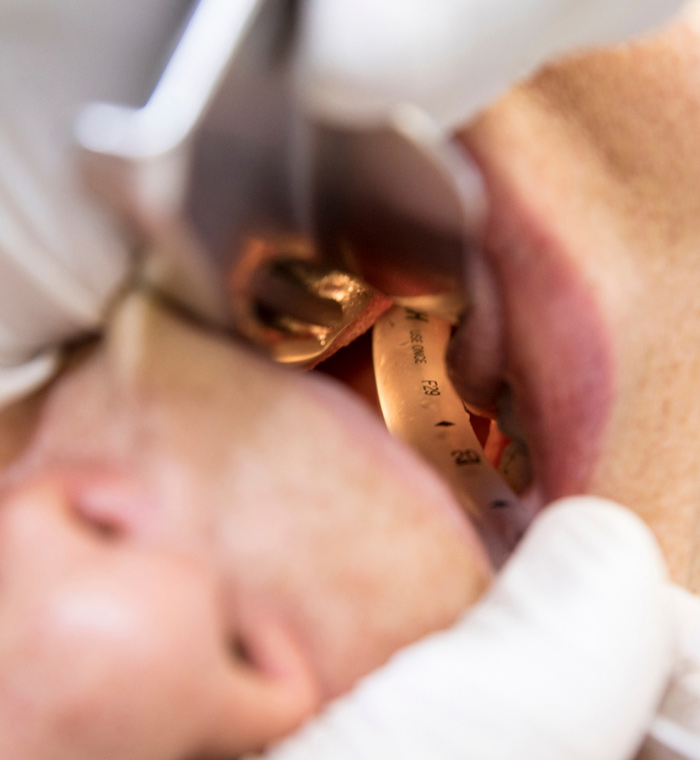
Neck Mass Biopsy
 +381 64 4184 444
If you feel lumps in your neck, have pain, or swelling that won’t go away, you may need a neck lymph node biopsy. This diagnostic procedure helps identify the cause of enlarged nodes—ranging from minor infections to more serious conditions. At Dr Prlja Medical in Belgrade, we provide accurate diagnostics, and our expert team is here to support you through every step of the evaluation. If your symptoms persist or get worse, don’t ignore them. Finding the cause early can make treatment and recovery easier. Book an appointment with us today to find out if a biopsy is right for you. Good health starts with the right exam.

When is a neck lymph node biopsy recommended?
Our medical team carefully evaluates each patient’s condition and recommends a biopsy only when there is a justified reason, with a clear explanation of the process. A doctor may suggest a neck lymph node biopsy if:
- Enlarged lymph nodes do not go down after more than two weeks, despite treatment.
- Swelling is not linked to an obvious infection or continues to grow, and it’s not a surface condition like warts.
- Additional symptoms are present, such as unexplained weight loss, night sweats, or fever, which may indicate the need for further testing.
- Biopsy is a key step when there is concern about serious conditions, including lymphoma, metastatic tumors, or chronic infections like tuberculosis.
- If antibiotics and other treatments don’t help, your doctor may recommend this procedure to confirm the diagnosis and avoid treatment delays.
Ignoring symptoms or relying only on observation without proper diagnostics may lead to complications, especially in systemic diseases that require targeted therapy. Some surface changes—such as actinic keratosis—do not require a lymph node biopsy but need a dermatological or surgical evaluation. That’s why it’s important to be examined by a specialist who can make the right distinction.
What can a neck lymph node biopsy reveal?
A neck lymph node biopsy helps doctors distinguish between harmless and potentially serious conditions. Results are usually classified as benign (non-cancerous) or malignant (cancerous).
Benign findings
- Benign results often indicate reactive changes triggered by infections—bacterial, viral, or fungal. These are the most common cause of enlarged lymph nodes, especially in younger patients.
- Biopsy can also detect granulomatous diseases such as tuberculosis or sarcoidosis, which require a very different treatment approach.
- Sometimes, the exam reveals skin or subcutaneous changes—like sebaceous cysts or atheromas—that are not related to the lymphatic system. Still, it’s important to distinguish them from deeper swellings for an accurate diagnosis.
Malignant findings
- In cases where cancer is suspected, a biopsy can confirm conditions such as lymphoma (Hodgkin or non-Hodgkin), leukemia, or metastatic changes that show cancer has spread from another organ (e.g., breast, lungs, or thyroid).
- The biopsy can also detect autoimmune processes and rare hematological or systemic disorders.
What does the procedure involve?
There are no special dietary restrictions before the exam, but you may receive additional instructions if you take medication for blood pressure, diabetes, or blood thinners (anticoagulants). On the day of the procedure, wear comfortable clothing and bring your personal medical records (test results, reports, medication list). Our team will assess whether it’s an enlarged lymph node or a growth like a lipoma, which is not a lymphatic structure but can sometimes be mistaken for swelling.
In addition to examining the lymph node, the doctor also checks the skin in that area. The reason is simple: skin changes like moles, non-healing wounds, or discoloration can point to the origin of the problem. Malignant skin tumors such as melanoma may first appear as skin changes and later spread to nearby lymph nodes.
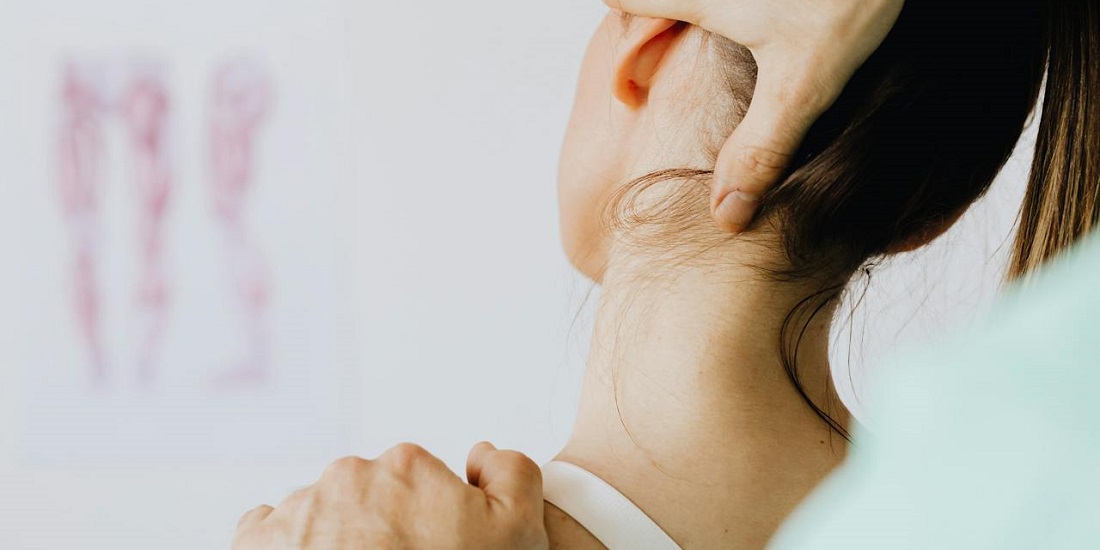
A neck lymph node biopsy is a diagnostic procedure used to collect a small tissue sample from an enlarged lymph node for microscopic analysis. This helps determine the cause of swelling and distinguish between harmless changes and more serious conditions.
- The most common method is fine needle aspiration (FNA), performed using a thin needle without cutting the skin.
- If more tissue is needed, the doctor may use a core needle biopsy (with a thicker needle) or an incisional biopsy, where a portion of the lymph node is surgically removed.
Local anesthesia is used in almost all cases, allowing for a painless procedure while the patient remains fully awake. The procedure typically takes 20 to 30 minutes, and most patients go home the same day. Afterward, a small bandage or adhesive strip is placed over the puncture site. The wound is small and usually doesn’t require special care.
Possible side effects in some cases
The most common side effects that may occasionally occur include:
- mild swelling
- tenderness
- minor bruising (hematoma)
These effects usually go away on their own within a few days. Most patients can return to their normal activities the next day. A common myth is that a biopsy can “trigger” or accelerate disease progression — this is false. A biopsy is a diagnostic tool and does not affect the course of the disease.
At Dr Prlja Medical, we approach each patient with full attention and transparency. Our goal is to provide all the necessary information before your appointment, during the ENT consultation, and after the procedure — so you feel safe and informed at every step.
What is recovery like after a biopsy?
Recovery after a neck lymph node biopsy is usually quick and without major issues. Most patients return to daily activities within 24 to 48 hours, unless the doctor advises otherwise due to specific findings or the biopsy method used. During the first 24 hours, you may experience:
- mild pain at the puncture site
- a feeling of tightness
- minor swelling
These symptoms are expected and usually short-lived. If a deeper needle was used or the procedure took longer, the doctor may prescribe mild pain relievers as a precaution. Antibiotics are not given routinely—only if there is a higher risk of infection, which is assessed individually.

In most cases, the wound closes without the need for stitches, and any visible scarring is minimal or barely noticeable. Patients are advised to avoid physical strain or pressure on the neck for the first two days. Signs that may indicate complications include:
- intense pain
- significant swelling
- fever
- spreading redness
- discharge from the wound
If any of these occur, contact a doctor immediately. At Dr Prlja Medical, our team provides each patient with clear instructions on how to monitor their recovery and who to contact in case of any concerns after a neck lymph node biopsy.
What happens after the results are received?
The results are obtained after microscopic and histological analysis of the tissue sample. The standard timeframe for basic analysis is 5 to 7 business days, but in more complex cases, it may take 10 to 14 days—especially when immunohistochemical staining, cytogenetic testing, or molecular-genetic profiling is performed.
The biopsy report typically includes several key details:
- A description of how the cells appear under the microscope — including size, shape, arrangement, and the ratio between the nucleus and cytoplasm
- Evidence of inflammatory changes — which may suggest a reactive or infectious origin
- Presence of granulomas — commonly seen in tuberculosis or sarcoidosis
- Presence of tumor cells — with details on cell morphology, degree of differentiation, and sometimes origin (e.g., carcinoma, lymphoma)
- Immunohistochemical marker results — used to confirm cancer type, e.g., CD20 for B-cell lymphomas, CK AE1/AE3 for epithelial carcinomas
Based on these findings, a diagnosis is made, or further testing is recommended. Our team provides clear guidance and support for the next steps—whether it’s additional diagnostics, treatment, or regular follow-up care.
A neck lymph node biopsy can give you clarity and protect your health
A timely neck lymph node biopsy can be key to detecting serious but treatable conditions early. Early diagnosis allows for targeted treatment, lowers the risk of complications, and shortens the recovery period. At Dr Prlja Medical in Belgrade, patients receive clear answers without unnecessary delays or uncertainty. Most conditions that cause lymph node swelling can be successfully treated when discovered on time. That’s why symptoms should not be ignored, and exams should not be postponed. A biopsy is not something to fear—it’s a step toward protecting your health. If you notice changes in your neck, contact us today and book your exam as soon as possible.
Achieve flawless results with personalized treatments that highlight your natural beauty.

Frequently asked questions and answers
Will the lymph node return to normal after a biopsy?
After a fine needle biopsy, the lymph node usually remains in the body and gradually shrinks if no further treatment is needed. If the sample is taken surgically, part of the node may be permanently removed.
Can a biopsy be done in children?
Yes, but only if recommended by a pediatrician or child specialist. The procedure is adjusted to the child’s age and may be done under short general anesthesia.
Can a biopsy detect viral infections like Epstein-Barr virus?
Yes. The histological appearance of the lymph node can suggest a viral cause. Blood tests are used to confirm the specific virus.
Is medical leave necessary after a biopsy?
In most cases, no. If your work involves physical labor, the doctor may recommend one or two days of rest.
Can a biopsy affect nearby nerves or cause numbness?
Rarely. If the lymph nodes are close to nerve structures, there’s a small chance of mild surface nerve irritation. This may cause temporary numbness or reduced sensation, which usually goes away within a few weeks.
Are special blood tests needed before a biopsy?
The doctor may request coagulation tests (INR, APTT) to check bleeding risk. Basic lab work may also be required as preparation.
Experiences of those who chose us
My experience with Sara was actually my first treatment ever. I had always been skeptical until I met her through a mutual friend. All it took was seeing her flawless skin to completely trust her. Not only does she maintain a natural look, which I really appreciate, with minimal corrections, but she’s also a wonderful friend and, when needed, a great therapist. I always leave her office feeling satisfied and smiling. P.S. She’s the only one who managed to solve my under-eye bags!
-Ksenija Knezevic
Singer
I met Sara a few years ago, and after the first treatment, I was certain – this woman knows what she's doing! I trust her completely, and I love her approach, honesty, and directness. There’s no exaggeration or unnatural looks – just a refreshed, rested, and natural appearance. We always have so much fun, laughing, while also enhancing our beauty. After seeing Sara, I look like I’ve just returned from the best vacation!
-Matea Milosavljevic
Actress
I have known Sara Prlja for more than 15 years, and I can say that everything she envisioned, she has achieved. She has always worked on herself, invested in her knowledge and growth. Her clinic is the perfect place where you will feel comfortable and relaxed, and the service is top-notch. I highly recommend her and her work!

-Aleksandar Dramicanin
Hair & Makeup Artist
Love, trust, and respect are the foundation of every strong and lasting relationship, whether personal or professional. From a medical perspective, we know how essential support is in any healing process, but for me, the relationship between a doctor and a patient is one where trust is especially important. I have complete trust in Sara and always feel confident that everything will be okay. That trust creates a sense of safety and allows real progress, while care and connection give us the space to grow together. I have never viewed my relationship with Sara as just professional, because every time I visit the clinic, it feels more like coming to people I trust and feel close to rather than simply working with a provider. That is the X factor that makes this experience truly valuable to me.

-Nataša Kovačević Njezvanova
Influencer
My experience with Sara has been exceptional in every way. Above all, she is a genuinely kind person and an outstanding professional. Together with her wonderful team, she creates an atmosphere free of fear, where trust comes naturally. I am delighted with the results and feel beautiful, confident, and happy. I wholeheartedly recommend her.

-Mahrina
Singer
I don’t easily trust anyone with my skin care, but the moment I stepped into Dr Prlja Medical, I felt safe and confident in my choice. I wouldn’t replace Sara for anyone else. She combines expertise, warmth, and a genuine love for her profession. Every treatment leaves me feeling refreshed and renewed, both physically and emotionally. Trust me when I say that you are in the right place.

-Anja Ćurčić
Actress
Related Services

Assessment of nasal septum deviation

Endoscopic Examination
Specialist ENT ear examination
Specialist ENT nasal examination
Specialist ENT throat examination
Third tonsil surgery
Tongue frenulum incision under local anesthesia

Treatment of hoarseness