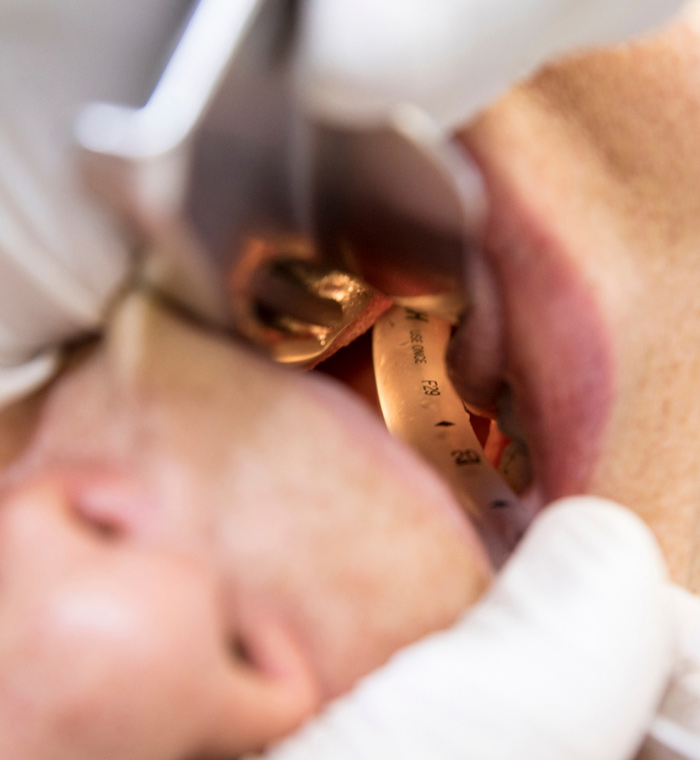
Reflux therapy in the laryngopharyngeal region (LPR)
 +381 64 4184 444
Laryngopharyngeal reflux (LPR) is a condition where stomach contents reach the throat and vocal cords without a strong burning sensation. This condition often appears without classic symptoms like vomiting and can cause feeding, sleeping, and breathing issues. Parents often confuse it with allergies or general fussiness, which delays proper treatment. Reflux treatment in babies requires specialists who understand early-age sensitivity. At Dr Prlja Medical in Belgrade, we offer a targeted approach to diagnosing and treating laryngopharyngeal reflux in infants. If you notice swallowing difficulties or frequent sleep interruptions, it’s important to act promptly. Schedule an appointment today and provide your child with an accurate diagnosis and proper care.

How to recognize symptoms that point to reflux
Reflux symptoms in babies can vary and often confuse parents.
- Some babies vomit after almost every meal, while others have a chronic cough, hoarseness, or gurgling sounds.
- Refusing food and discomfort during feeding may be signs that acid is irritating the throat.
- Reflux also affects sleep—babies wake up frequently at night, are restless, and often cry without a clear reason.
Parents often confuse it with milk protein allergies, as symptoms may also include crying, eczema, and bloating. Spitting up is normal in healthy babies, but reflux occurs more frequently, in larger amounts, and often causes irritation. If these signs are persistent and interfere with daily functioning, it is important to schedule a specialist ENT exam.
Reflux treatment in babies is necessary to avoid complications
If reflux in babies is not recognized and treated on time, it may lead to complications that disrupt daily life.
- Silent reflux, which occurs without vomiting, often goes unnoticed for a long time. However, stomach acid and enzymes continue to irritate the airway lining. Over time, this may cause laryngitis—inflammation of the larynx that affects voice and breathing.
- Mucosal irritation can also impact the Eustachian tube, which connects the nose and middle ear. When reflux causes swelling and dysfunction in this area, the risk of frequent ear inflammations increases. These infections often require antibiotic treatment and may affect hearing, balance, and the baby’s development.
- Chronic inflammation may also lead to dysphagia (difficulty swallowing) and pain when feeding. Since swallowing and breathing systems are closely connected in babies, reflux can also cause sleep apnea, bronchospasms, and asthma-like reactions.
It’s important to distinguish reflux from conditions such as milk protein allergy, viral infections, or intolerances, as symptoms may be similar, but treatment differs. Schedule an appointment with our ENT specialists for an accurate diagnosis and to prevent serious complications.
When and why a specialist exam is needed
A specialist exam is recommended if your baby’s reflux symptoms last longer than two to three weeks or worsen despite adjusted feeding and positioning. Warning signs include:
- difficulty swallowing
- frequent vomiting
- head tilting backward during feeding
- straining
- crying during meals
- frequent night awakenings
When you schedule an appointment, inform the doctor about symptoms, feeding habits, and your baby’s behavior during and after meals. The doctor will perform the ENT throat examination adapted to the baby’s age. It is brief and painless. However, the information you provide helps form a complete picture and ensures an accurate diagnosis.

If you baby suffers from silent reflux treatment can be precisely planned after endoscopy
Flexible nasal endoscopy may be used if needed. This thin, flexible camera lets the doctor examine the back of the nose, throat, and larynx. The endoscopic examination is done with a mild local anesthetic spray, is not painful, and allows for clear visualization of the mucosa.
Clear signs of reflux the doctor may observe include:
- redness and swelling in the hypopharynx
- thickening or granulomas on the back of the larynx
- traces of stomach contents in the throat
- irritated and inflamed laryngeal lining
In babies with silent reflux, endoscopy is often the only way to confirm the diagnosis, as symptoms can be subtle and vary day by day. This method helps distinguish reflux from infections, allergies, or anatomical issues.
A timely exam not only ensures an accurate diagnosis but also prevents complications. After the exam, you’ll receive a treatment plan, which may include dietary adjustments, symptom monitoring, or medication.
Reflux treatment in babies is adjusted based on the age
After diagnosing reflux in babies, treatment usually starts with changes in feeding habits and positioning. The baby is fed in an upright position, and shorter but more frequent feedings are recommended. Nursing mothers may need to monitor their breastfeeding and diet, especially for possible allergens. If symptoms persist, medication is introduced—typically syrups that neutralize stomach acid or reduce its production.

Treatment is always adjusted to the baby’s age and weight. Follow-up exams are usually scheduled every four to six weeks to monitor progress. Reflux may return, especially during growth spurts or when solid foods are introduced, but in most cases, it resolves by the end of the first year of life.
How reflux in babies differs from reflux in adults
Reflux in babies and adults differs in cause, symptoms, and treatment. In adults, the main cause is often chronic weakness of the lower esophageal sphincter (a muscle ring at the junction of the esophagus and stomach that closes after food passes), but symptoms can be hidden. Instead of vomiting, adults more commonly experience:
- a lump-in-the-throat sensation
- hoarseness
- throat burning
- dry cough
Many adults do not have typical heartburn, making LPR harder to detect. Babies often respond quickly to changes in formula or feeding position, while adult treatment relies more on medication, diet, and habit changes. Still, the diagnostics are similar—ENT evaluation, possible endoscopy, and symptom assessment are key in both age groups.
Schedule an appointment at Dr Prlja Medical in Belgrade
If you suspect your baby has reflux symptoms, don’t wait for the condition to worsen. Early recognition and timely evaluation can prevent many complications and ease your family’s daily life. At Dr Prlja Medical in Belgrade, you’ll receive detailed diagnostics, a gentle approach, and care tailored specifically to your child. Our team has the experience and understanding needed to support both infants and parents. Reflux treatment in babies with quick results and full support from our expert team helps relieve symptoms safely, track progress correctly, and guide parents through each step of treatment. Schedule your appointment today to find out if the symptoms are caused by reflux, which can be successfully treated with our help.
Achieve flawless results with personalized treatments that highlight your natural beauty.

Frequently asked questions and answers
Can a baby with reflux attend daycare or nursery?
If symptoms are under control and the baby is thriving, they can attend daycare. It’s important that the staff is informed about feeding routines and any medical instructions.
Is infant reflux related to pollen, dust, or other environmental allergens?
Not directly. Reflux occurs due to the immaturity of the digestive system, not external allergens. However, if the baby has general sensitivity, symptoms may overlap with allergic reactions.
How often does infant reflux actually require medication?
Most mild cases can be managed by adjusting feeding position and schedule. Medication is only used if symptoms persist, affect growth, or cause complications.
Is there a genetic tendency for reflux?
There is no direct genetic link to LPR, but children of parents with a reflux history may be more prone to early digestive issues.
Can reflux delay speech development?
Prolonged vocal cord irritation, frequent infections, or discomfort when vocalizing can impact speech development in some children. Early treatment of reflux supports healthy communication skills.
What if the baby refuses treatment – syrup or medication?
The doctor may suggest an alternative form (e.g., a different drug or dose format). Persistence is encouraged, but it's important to inform the doctor if the treatment can't be followed.
Experiences of those who chose us
My experience with Sara was actually my first treatment ever. I had always been skeptical until I met her through a mutual friend. All it took was seeing her flawless skin to completely trust her. Not only does she maintain a natural look, which I really appreciate, with minimal corrections, but she’s also a wonderful friend and, when needed, a great therapist. I always leave her office feeling satisfied and smiling. P.S. She’s the only one who managed to solve my under-eye bags!

-Ksenija Knezevic
Singer
I met Sara a few years ago, and after the first treatment, I was certain – this woman knows what she's doing! I trust her completely, and I love her approach, honesty, and directness. There’s no exaggeration or unnatural looks – just a refreshed, rested, and natural appearance. We always have so much fun, laughing, while also enhancing our beauty. After seeing Sara, I look like I’ve just returned from the best vacation!

-Matea Milosavljevic
Actress
I have known Sara Prlja for more than 15 years, and I can say that everything she envisioned, she has achieved. She has always worked on herself, invested in her knowledge and growth. Her clinic is the perfect place where you will feel comfortable and relaxed, and the service is top-notch. I highly recommend her and her work!

-Aleksandar Dramicanin
Hair & Makeup Artist
Love, trust, and respect are the foundation of every strong and lasting relationship, whether personal or professional. From a medical perspective, we know how essential support is in any healing process, but for me, the relationship between a doctor and a patient is one where trust is especially important. I have complete trust in Sara and always feel confident that everything will be okay. That trust creates a sense of safety and allows real progress, while care and connection give us the space to grow together. I have never viewed my relationship with Sara as just professional, because every time I visit the clinic, it feels more like coming to people I trust and feel close to rather than simply working with a provider. That is the X factor that makes this experience truly valuable to me.

-Nataša Kovačević Njezvanova
Influencer
My experience with Sara has been exceptional in every way. Above all, she is a genuinely kind person and an outstanding professional. Together with her wonderful team, she creates an atmosphere free of fear, where trust comes naturally. I am delighted with the results and feel beautiful, confident, and happy. I wholeheartedly recommend her.

-Mahrina
Singer
I don’t easily trust anyone with my skin care, but the moment I stepped into Dr Prlja Medical, I felt safe and confident in my choice. I wouldn’t replace Sara for anyone else. She combines expertise, warmth, and a genuine love for her profession. Every treatment leaves me feeling refreshed and renewed, both physically and emotionally. Trust me when I say that you are in the right place.

-Anja Ćurčić
Actress
Related Services

Endoscopic Examination

Microscopic removal of a foreign body
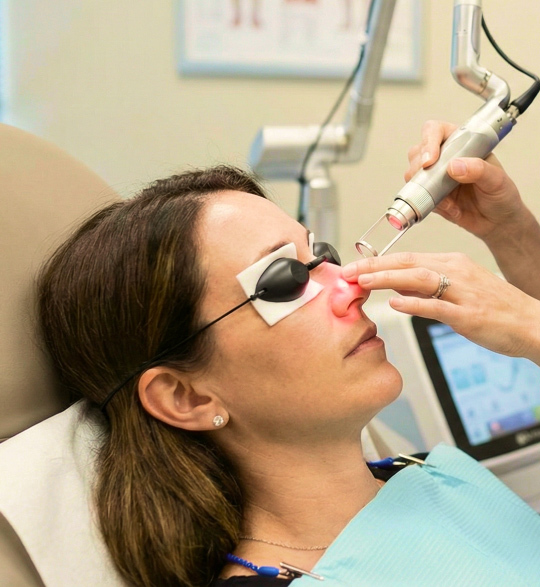
Snoring Treatment

Specialist ENT ear examination

Specialist ENT nasal examination

Specialist ENT throat examination
Third tonsil surgery
Tongue frenulum incision under local anesthesia
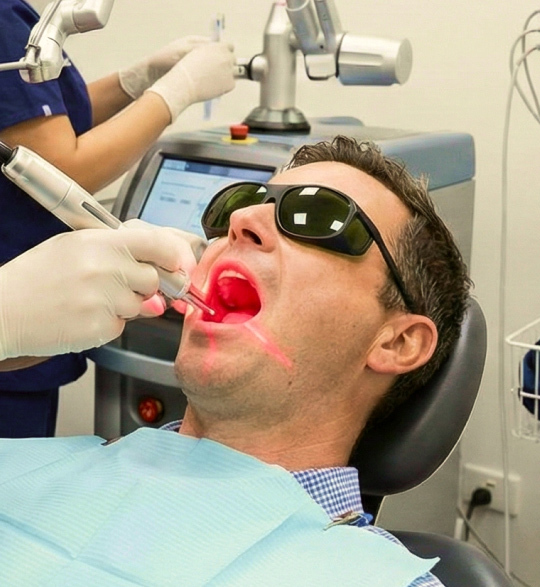
Tonsil Cryptolysis for Bad Breath

Treatment of hoarseness