
What does recovery after platelet-rich plasma therapy look like?
 +381 64 4184 444
Platelet-rich plasma therapy is increasingly used for skin rejuvenation, hair growth, and joint pain relief. Still, many people are most curious about what happens after the treatment. Recovery after platelet-rich plasma therapy usually goes without complications, but experiences can vary. Some notice mild redness or swelling, while others return to daily activities the very next day. Recovery has its stages, but when you know what to expect, the process feels easier.
The first day after treatment
The first day after PRP treatment is important, but most patients find it easy and stress-free. Right after the procedure, the treated area—face, skin, or joint—may appear slightly red and swollen. Mild sensitivity or tingling is common, while pain is rare. Most patients feel well enough to resume light daily activities, such as cooking or walking, on the same day.
Initial recovery reactions, which can last 24–48 hours, are normal and typically pass without issues. Most patients do not need time off work, but it’s advised to:
- Rest during the day, avoiding strenuous activity
- Drink plenty of fluids
- Avoid alcohol, smoking, and excessive caffeine
- Use cold compresses on the treated area if needed
- Sleep with your head slightly elevated (if your face was treated)
- Wash your face gently, avoiding harsh products
Also, it’s best to avoid hot showers and pressure on the treated area on the first day. Instead, use gentle cooling, light moisturizing care, and sun protection.

How the skin reacts during the first week after PRP treatment
During the first week of recovery, the skin or treated area goes through mild, gradual changes. Redness that appears right after the procedure usually fades within a day or two. Swelling typically resolves by the end of the week. Some patients may notice small bruises, especially around the eyes or on the scalp if those areas were treated. In most cases, bruising disappears without any need for additional treatment.
Hygiene should be gentle and consistent:
- Wash your face with mild, alcohol-free, and fragrance-free cleansers.
- Instead of rubbing, gently pat the skin with a clean, soft towel.
- A light moisturizer without acids can be used from day two.
- Makeup can be applied after 48 hours while recovering from platelet-rich plasma therapy, as long as redness has subsided and there’s no irritation.
What to do and what to avoid during recovery
During PRP recovery, the skin goes through a regeneration phase and becomes more sensitive than usual. This is especially important if the PRP treatment was done on the face or other exposed areas. At this stage, the skin’s natural barrier may temporarily weaken, making it more vulnerable to UV damage. That’s why using SPF 30 or higher every day is essential, regardless of the weather.
UV exposure can cause pigmentation, extend redness, and slow healing. Unprotected sun exposure can also increase the risk of permanent damage and reduce the effectiveness of the treatment. It’s best to use mineral-based sunscreens with zinc oxide or titanium dioxide, as they are gentler and more suitable for sensitive skin.
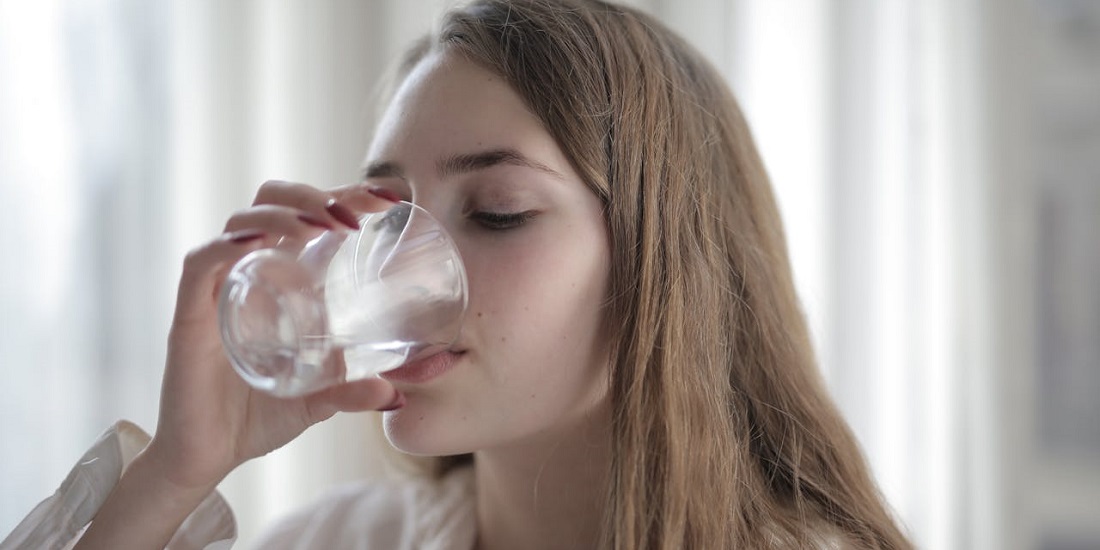
Along with SPF, drinking enough water supports natural recovery from within. Sleeping on clean bedding prevents further irritation, and rest helps the body heal properly. Avoid the following:
- Any aggressive skin treatments or chemical peels during recovery after platelet-rich plasma therapy
- Intense physical activity that causes sweating
- Using nonsteroidal anti-inflammatory drugs (NSAIDs) unless prescribed by your doctor
- Rubbing, pressing, or scratching the treated area
- Using tanning beds
Each habit helps recovery go smoothly and supports better results.
When can you expect full recovery after PRP treatment?
Between two and four weeks after the treatment, early signs of improvement may appear. The skin may look more even, elasticity improves gradually, and joint treatments often reduce pain and improve movement. Final results can take 8 to 12 weeks, depending on:
- The treated area
- Your overall health
- Your lifestyle
Results develop slowly. In skin treatments, collagen production starts within days but matures over weeks. For hair loss or joint treatments, the first improvements appear after one month, with peak effects at around three months.
For stronger and longer-lasting results, two to three sessions spaced 4–6 weeks apart are recommended. After that, most patients schedule maintenance once or twice a year, depending on their goals and doctor’s advice.
Habits that help extend PRP treatment results
The effects of PRP treatment can last 6 to 12 months, or even longer in some people, especially when following these habits:
- Stay well hydrated
- Use sunscreen daily and avoid common mistakes when using SPF
- Avoid smoking and alcohol
- Get enough sleep and stay physically active
- Eat a diet rich in antioxidants
As with any regenerative therapy, results are not permanent. The body keeps aging and changing, but regular treatments can slow the process and help you keep the benefits of PRP therapy longer.
PRP therapy is often combined with facial mesotherapy or microneedling for stronger effects on the skin and scalp. These combinations are planned with your doctor, as proper timing can enhance regeneration and prolong results.
Are complications possible?
Most patients experience only mild, temporary reactions after PRP treatment that don’t require special care. The chance of serious complications from a properly performed PRP procedure is less than 1%. Common reactions include redness, swelling, tingling, or tightness—these effects are short-lived.
These symptoms are a normal response to the injected platelet-rich plasma, which releases growth factors and triggers tissue regeneration. They usually go away within 24 to 72 hours.
When to contact a doctor during recovery after platelet-rich plasma therapy
People with sensitive skin may notice small bruises (hematomas), especially if the treated area has many capillaries, such as the forehead, neck, or scalp. These are harmless and usually fade within 5 to 7 days. In joint or tendon treatments, mild discomfort can last for a few days but gradually decreases.
However, certain symptoms may suggest a complication and should not be ignored:
- Redness that doesn’t fade after 3 days or continues to spread
- Swelling that worsens instead of improving
- Throbbing pain, warmth to the touch, or pronounced tenderness in the treated area
- Thick, yellowish, or foul-smelling discharge (possible infection)
- A body fever above 37.5°C, along with fatigue and weakness
- Allergic reaction (though rare): rash, itching, redness beyond the treated area, or difficulty breathing
If any of these occur, contact your anti aging clinic immediately and consult the doctor who performed the procedure. Most complications result from poor sterilization, incorrect injection technique, or failure to follow post-treatment care instructions.
Extend the effects of PRP therapy with results-driven care
Recovery after platelet-rich plasma therapy is usually smooth, with only minimal discomfort. Mild redness, swelling, or sensitivity are part of the body’s natural regeneration process. Proper aftercare—hydration, sun protection, and avoiding physical strain—can shorten the recovery period and improve the outcome. Follow your doctor’s instructions and avoid making changes on your own. PRP is often part of a broader plan for skin rejuvenation, hair growth stimulation, or joint regeneration. If you have any concerns or are unsure if PRP is right for you, it’s best to speak with a medical professional.