Treatment of chronic rhinitis
 +381 64 4184 444
Chronic rhinitis can be persistent, exhausting, and uncomfortable. Breathing becomes difficult, sleep is poor, and a blocked nose turns into a daily issue. At Dr Prlja Medical in Belgrade, we help people every day who face these problems. If you keep sneezing, wiping your nose, and feel pressure in your head, it might be time to see a specialist. The exam is brief and painless, and it can reveal the cause of your symptoms. Some people react to allergies, others have structural changes in the nose, and in children, it’s often linked to hearing issues. Our clinic offers ENT exams and allergy testing if needed. We take our time and treat each patient with care. If your symptoms have lasted for weeks, there’s no need to keep suffering. Booking an appointment is simple, and the solution may be closer than you think.

Types of chronic rhinitis: How to identify the cause
Chronic rhinitis is a long-term inflammation of the nasal lining lasting more than 12 weeks. Symptoms include nasal congestion, sneezing, itching, discharge, and fatigue. It usually appears in several forms:
- Allergic chronic rhinitis – triggered by allergens like pollen, dust mites, mold, or pet dander. This type often worsens during pollen season or in enclosed spaces with allergen buildup.
- Non-allergic (vasomotor) chronic rhinitis – not caused by allergies but triggered by factors like strong odors, smoke, or sudden temperature or humidity changes.
- Infectious rhinitis – usually caused by a cold or other infection; it may become chronic if not treated properly.
- Gustatory rhinitis – caused by eating spicy or hot food, leading to a runny nose and sneezing, without allergy involvement.
- Atrophic rhinitis – typically develops with age, marked by dryness and thickening of the nasal lining.
The type of rhinitis and related symptoms depend on the cause. All forms can persist for years if untreated. An ENT exam is essential for proper diagnosis and treatment. Each form requires a specific approach to relieve discomfort.
Symptoms to watch for
Chronic rhinitis often starts subtly, but symptoms grow more persistent over time.
- A constantly stuffy nose without a cold, constant wiping, and nasal discharge may seem harmless, but they’re not. Some patients also experience itching in the nose and eyes, which makes it harder to focus.
- A common issue is a persistent cough caused by postnasal drip—when mucus runs down the throat and irritates the windpipe.
- Loss of smell and a feeling of pressure in the cheeks and forehead are also frequent signs.
- Chronic fatigue often develops as the body continuously responds to irritation.
- Chronic rhinitis may cause headaches and exhaustion, especially when it lasts for months.
How can a specialist exam help you?
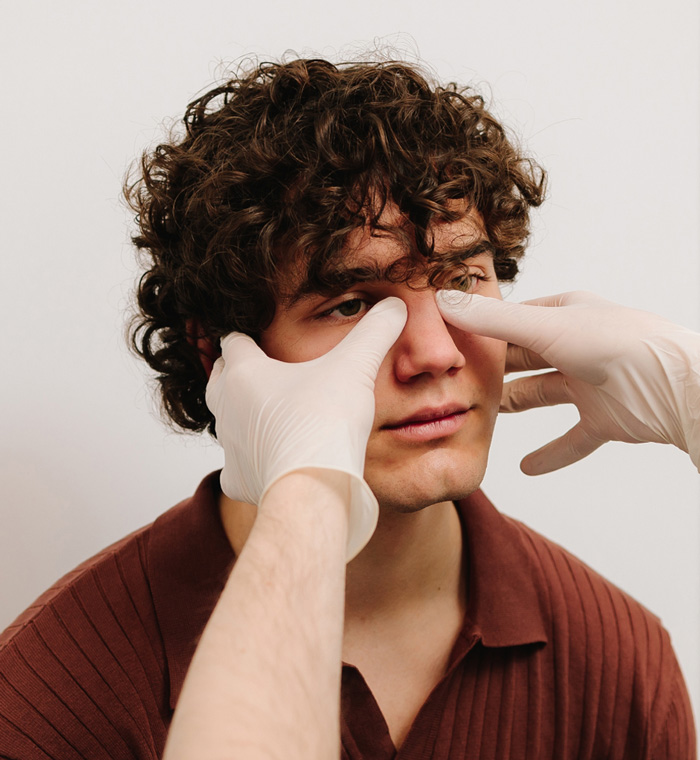
At Dr Prlja Medical, the ENT exam begins with a conversation about your symptoms. The doctor checks your nasal cavity, throat, and ears using a light and a nasal speculum (rhinoscopy). In children, tympanometry is often done to check middle ear pressure, as rhinitis can affect hearing.

If allergy is suspected, the doctor may suggest allergy testing. The process is simple—no needles or pain. Based on the results, further testing may be recommended. The exam usually takes 20 to 30 minutes. No special preparation is needed, but it’s important to mention if you use nasal drops or sprays. The exam is adjusted to the patient’s age, and our team aims to keep it as comfortable as possible, especially for children.
Find out what causes chronic rhinitis
Chronic rhinitis can have several causes, often overlapping. During the exam, we evaluate the nasal lining, check for obstructions, and assess external and internal triggers. Common causes include:
- Allergies – to pollen, dust, mold, pet dander, or mites
- Mucosal sensitivity – to temperature changes, humidity, odors, smoke, and chemicals
- Structural nasal changes – such as deviated septum or polyps in the nose
- Chronic infections – frequent viral or bacterial infections that prolong inflammation
- Rebound effect – caused by overuse of nasal drops or sprays
- Hormonal changes – during pregnancy, thyroid disorders, or medication use
- Sinus issues – inflammation or blockage in the sinuses
- Poor indoor air quality – dry air, smoke, air conditioners, or prolonged indoor stays
Identifying the cause accurately is key to treating chronic rhinitis successfully. A detailed ENT nasal exam is the first step to solving the problem.
Possible treatments for chronic rhinitis
Successful treatment of chronic rhinitis requires a comprehensive approach:
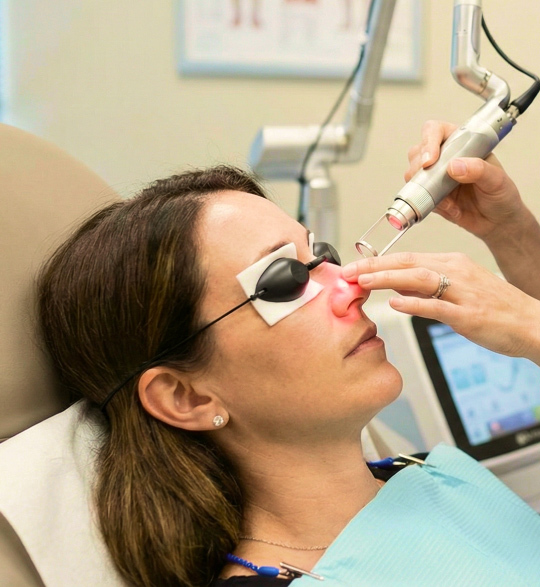
- Initial treatment often includes local therapies—nasal sprays and corticosteroids—to reduce inflammation and improve airflow.
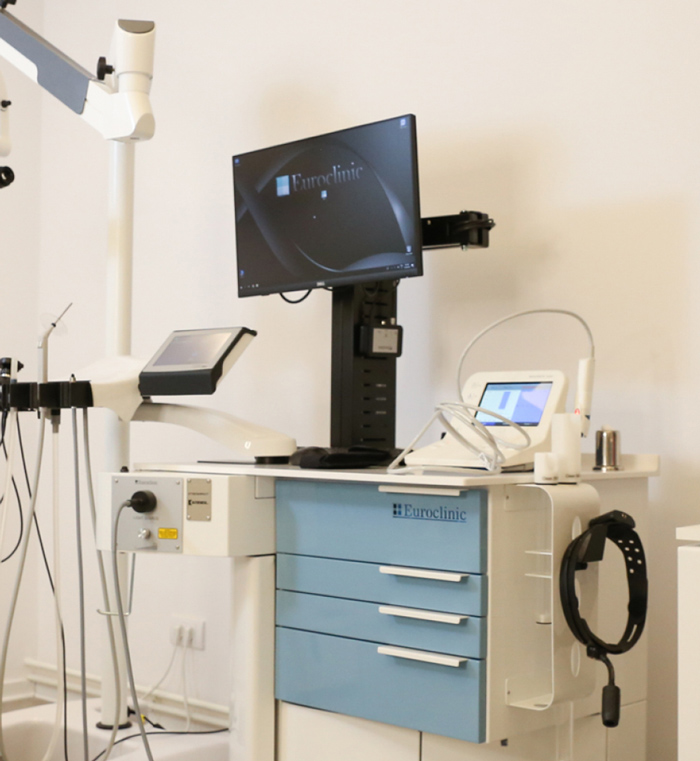
- At our clinic, we can perform a detailed endoscopic examination of the nose and sinuses. This helps detect nasal polyps, a deviated septum, or chronic discharge for an accurate diagnosis.
- Based on your medical history, your doctor will provide practical home care tips. These may include saline rinses and using a humidifier to make the treatment more effective.
Each treatment plan is tailored to your symptoms, age, and condition, because our goal is to help you breathe normally again and improve your quality of life as soon as possible.
What happens if chronic rhinitis is not treated in time
When chronic rhinitis is ignored, the effects go beyond the nose.
- People with untreated chronic rhinitis face a higher risk of developing asthma. Ongoing irritation of the airways can lead to long-term breathing problems and trigger asthma.
- Sleep disorders are also common. A blocked nose can cause sleep apnea, lowering sleep quality and leading to chronic fatigue.
- Ongoing inflammation of the nasal lining increases the chance of sinusitis. Inflamed sinuses may get infected, causing facial pain, headaches, and breathing difficulty. In adults, this can reduce lung function and strain the heart and lungs.
- In children, chronic rhinitis may affect development. Mouth breathing alters breathing patterns and can impact jaw growth and facial structure. Long-term nasal and ear discharge may cause permanent hearing loss, which interferes with normal learning and development.

Early diagnosis prevents serious consequences. Our ENT team monitors each patient carefully and knows when to act to prevent complications. Timely care protects not only your airways but your overall health.
Quality of life starts with proper breathing
Chronic rhinitis is not something to ignore. Its symptoms can affect daily life in many ways. In adults, it disrupts sleep, breathing, and focus. In children, it can delay speech development and affect hearing. Early diagnosis and the right treatment can stop these problems before they begin. At Dr Prlja Medical in Belgrade, we take a detailed and careful approach tailored to each patient’s condition and age. Our team uses modern tools to find the exact cause and suggest the best solution. If your symptoms don’t go away, don’t wait for them to worsen. Book your appointment today and take the first step toward easier breathing and better sleep.
Achieve flawless results with personalized treatments that highlight your natural beauty.
Frequently asked questions and answers
What other conditions can resemble chronic rhinitis?
Besides chronic rhinitis, similar symptoms may appear in conditions like sinusitis, asthma, nasal polyps, and even some heart or lung diseases. Each condition has specific symptoms, so it’s important to consult a specialist for the correct diagnosis and treatment.
How can I relieve chronic rhinitis symptoms at home?
At-home care includes regular nasal rinses with saline solution, using a humidifier, avoiding irritants like smoke or strong odors, and taking anti-allergy medications prescribed by your doctor. Getting enough rest and staying hydrated also helps.
Is chronic rhinitis genetic?
Yes, genetics can play a role, especially if there's a family history of allergies or respiratory conditions. If your parents or close relatives had similar issues, your risk may be higher.
Can stress make chronic rhinitis worse?
Yes, stress can weaken the immune system and worsen inflammation, including in the nasal passages. This can make symptoms more intense and harder to manage.
Can chronic rhinitis cause problems in the mouth, like bad breath?
Yes, chronic rhinitis can lead to bad breath. Inflammation and mucus from the nose can drip into the throat and mouth, causing an unpleasant odor.
How can I tell if my symptoms are allergic or non-allergic rhinitis?
The best way is through allergy testing, which shows whether your symptoms are allergy-related. If triggers include smells, temperature changes, or smoke, it’s likely non-allergic rhinitis.
Experiences of those who chose us
My experience with Sara was actually my first treatment ever. I had always been skeptical until I met her through a mutual friend. All it took was seeing her flawless skin to completely trust her. Not only does she maintain a natural look, which I really appreciate, with minimal corrections, but she’s also a wonderful friend and, when needed, a great therapist. I always leave her office feeling satisfied and smiling. P.S. She’s the only one who managed to solve my under-eye bags!

-Ksenija Knezevic
Singer
I met Sara a few years ago, and after the first treatment, I was certain – this woman knows what she's doing! I trust her completely, and I love her approach, honesty, and directness. There’s no exaggeration or unnatural looks – just a refreshed, rested, and natural appearance. We always have so much fun, laughing, while also enhancing our beauty. After seeing Sara, I look like I’ve just returned from the best vacation!

-Matea Milosavljevic
Actress
I have known Sara Prlja for more than 15 years, and I can say that everything she envisioned, she has achieved. She has always worked on herself, invested in her knowledge and growth. Her clinic is the perfect place where you will feel comfortable and relaxed, and the service is top-notch. I highly recommend her and her work!

-Aleksandar Dramicanin
Hair & Makeup Artist
Love, trust, and respect are the foundation of every strong and lasting relationship, whether personal or professional. From a medical perspective, we know how essential support is in any healing process, but for me, the relationship between a doctor and a patient is one where trust is especially important. I have complete trust in Sara and always feel confident that everything will be okay. That trust creates a sense of safety and allows real progress, while care and connection give us the space to grow together. I have never viewed my relationship with Sara as just professional, because every time I visit the clinic, it feels more like coming to people I trust and feel close to rather than simply working with a provider. That is the X factor that makes this experience truly valuable to me.

-Nataša Kovačević Njezvanova
Influencer
My experience with Sara has been exceptional in every way. Above all, she is a genuinely kind person and an outstanding professional. Together with her wonderful team, she creates an atmosphere free of fear, where trust comes naturally. I am delighted with the results and feel beautiful, confident, and happy. I wholeheartedly recommend her.

-Mahrina
Singer
I don’t easily trust anyone with my skin care, but the moment I stepped into Dr Prlja Medical, I felt safe and confident in my choice. I wouldn’t replace Sara for anyone else. She combines expertise, warmth, and a genuine love for her profession. Every treatment leaves me feeling refreshed and renewed, both physically and emotionally. Trust me when I say that you are in the right place.

-Anja Ćurčić
Actress